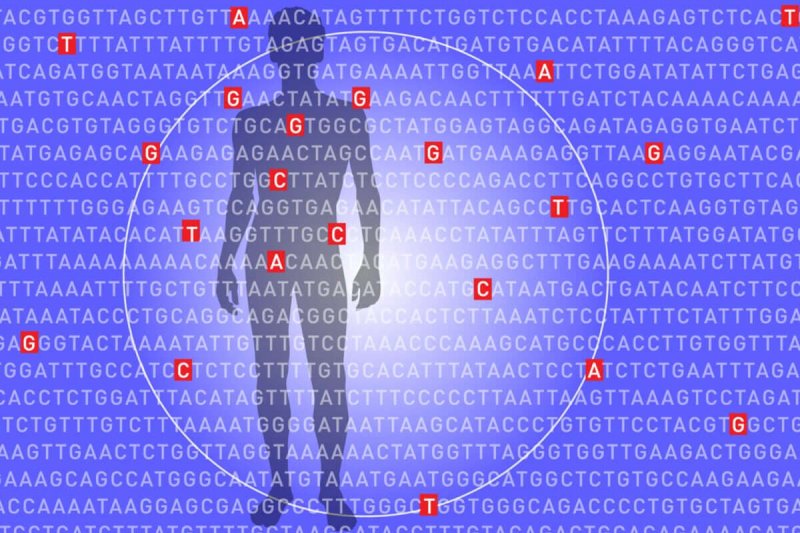
The first child selected as an embryo on the basis of its ‘polygenic risk score’ is now 16 months old

Credit: Harvard Gazette

The first child acknowledged to have been selected as an embryo on the basis of its “polygenic risk score” is now 16 months old.

Her parents, at least one of whom is apparently a committed transhumanist, used IVF together with analysis by a company called Genomic Prediction to select one embryo for implantation from among four as having “the best genetic odds of avoiding heart disease, diabetes and cancer in adulthood.”

This is a commercial move that is essentially unregulated, scientifically and ethically controversial, and a considerable reach by the assisted-reproduction industry in the direction of techno-eugenics.

Follow the latest news and policy debates on sustainable agriculture, biomedicine, and other ‘disruptive’ innovations. Subscribe to our newsletter.

There are important differences between this technology and the more established embryo-selection procedure of pre-implantation genetic diagnosis (PGD).

A polygenic risk score (PRS) is a single number derived from an algorithm that summarizes the estimated effect of hundreds to millions of genetic variants on an individual’s risk of a particular condition or trait.

PRS analysis may suggest, for instance, that one particular embryo will develop into an adult who has a lower chance of heart disease than most people.

But the prediction is far from certain and, as is well known, diet and exercise affect that risk considerably.


This is an excerpt. Read the original post here.

{{ reviewsTotal }}{{ options.labels.singularReviewCountLabel }}
{{ reviewsTotal }}{{ options.labels.pluralReviewCountLabel }}
{{ options.labels.newReviewButton }}
{{ userData.canReview.message }}

Related Articles

Infographic: Global regulatory and health research agencies on whether glyphosate causes cancer

Infographic: Global regulatory and health research agencies on whether glyphosate causes cancer

Does glyphosate—the world's most heavily-used herbicide—pose serious harm to humans? Is it carcinogenic? Those issues are of both legal and ...

Most Popular

Screenshot-2026-04-22-at-12.21.32-PM
Viewpoint: Why the retracted Monsanto glyphosate study doesn’t change the science—the world’s most popular herbicide is safe 
ChatGPT-Image-Apr-16-2026-02_56_53-PM
Financial incentives, over diagnosis, and weak oversight: Autism claims are driving up Medicare costs
Picture1
The FDA couldn’t find a vaccine safety crisis, so it buried its own research
ChatGPT-Image-May-1-2026-11_42_59-AM-2
Viewpoint: NAD is the wellness grifters latest evidence-lite longevity fad. At least the mice are impressed.
global warming
‘Implausible’: Top climate scientists reject worst-case scenario—soaring temperatures and fast-rising sea levels
Screenshot-2026-05-21-at-12.15.17-PM
UK gene-editing milestone: Livestock barley that increases ruminant value and reduces methane emissions is first-approved CRISPR crop

Sorry. No data so far.

glp menu logo outlined

Get news on human & agricultural genetics and biotechnology delivered to your inbox.