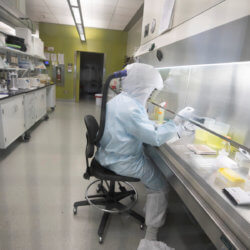
Infographic: Scientists under attack for publicly discussing the science on COVID and vaccines

Credit: Katie Forbes

Infectious-diseases physician Krutika Kuppalli had been in her new job for barely a week in September 2020, when someone phoned her at home and threatened to kill her.

Kuppalli, who had just moved from California to the Medical University of South Carolina in Charleston, had been dealing with online abuse for months after she’d given high-profile media interviews on COVID-19, and had recently testified to a US congressional committee on how to hold safe elections during the pandemic. But the phone call was a scary escalation.

Follow the latest news and policy debates on sustainable agriculture, biomedicine, and other ‘disruptive’ innovations. Subscribe to our newsletter.

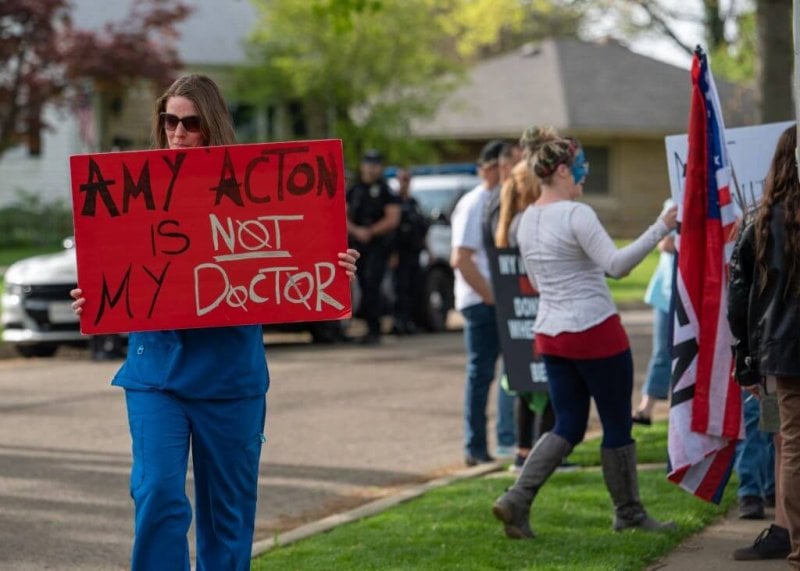
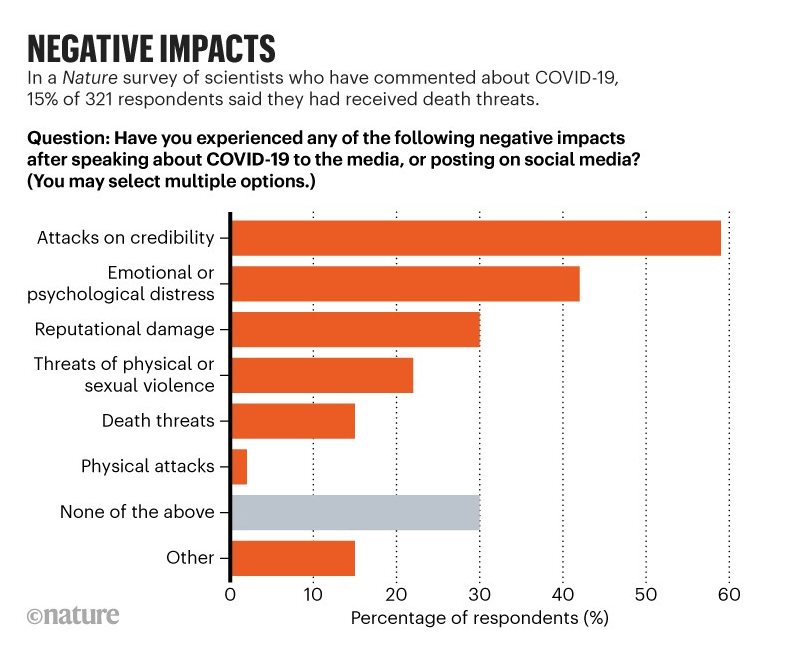
Kuppalli’s experience during the pandemic is not uncommon. A survey by Nature of more than 300 scientists who have given media interviews about COVID-19 — many of whom had also commented about the pandemic on social media — has found wide experience of harassment or abuse; 15% said they had received death threats.

Coordinated social-media campaigns and threatening e-mails or phone calls to scientists are not new: topics such as climate change, vaccination and the effects of gun violence have drawn similar attacks in the past. But even scientists who had a high profile before COVID-19 told Nature that the abuse was a new and unwelcome phenomenon tied to the pandemic. 
screenshot am

This is an excerpt. Read the original post here.

{{ reviewsTotal }}{{ options.labels.singularReviewCountLabel }}
{{ reviewsTotal }}{{ options.labels.pluralReviewCountLabel }}
{{ options.labels.newReviewButton }}
{{ userData.canReview.message }}

Related Articles

Infographic: Global regulatory and health research agencies on whether glyphosate causes cancer

Infographic: Global regulatory and health research agencies on whether glyphosate causes cancer

Does glyphosate—the world's most heavily-used herbicide—pose serious harm to humans? Is it carcinogenic? Those issues are of both legal and ...

Most Popular

Picture1
The Orange Bowl without oranges: Can CRISPR save Florida citrus?
global warming
‘Implausible’: Top climate scientists reject worst-case scenario—soaring temperatures and fast-rising sea levels
vax-misinformation-main
Facts & Fallacies Podcast: Limit free speech to blunt social media misinfo?
Screenshot 2026-05-22 at 11.31
‘Realistic and durable’: EPA proposes loosening restrictions on some PFAS ‘forever chemicals.’
ChatGPT-Image-May-1-2026-11_42_59-AM-2
Viewpoint: NAD is the wellness grifters latest evidence-lite longevity fad. At least the mice are impressed.
Screenshot-2026-04-22-at-12.21.32-PM
Viewpoint: Why the retracted Monsanto glyphosate study doesn’t change the science—the world’s most popular herbicide is safe 
ChatGPT Image May 26, 2026, 12_06_53 PM
Fake Ebola cure promoters already cashing in as disinformation videos flood social media
Screenshot-2026-05-21-at-12.15.17-PM
UK gene-editing milestone: Livestock barley that increases ruminant value and reduces methane emissions is first-approved CRISPR crop
ChatGPT Image May 24, 2026, 03_16_36 PM
Here come the biohackers' Enhanced Games—The Olympics for athletes doping up on steroids, hormones and peptides. What’s wrong with that?
Picture1
The FDA couldn’t find a vaccine safety crisis, so it buried its own research
glp menu logo outlined

Get news on human & agricultural genetics and biotechnology delivered to your inbox.