Easing the way for technological innovation is key to addressing climate change impacts on agriculture: AEI policy analysis

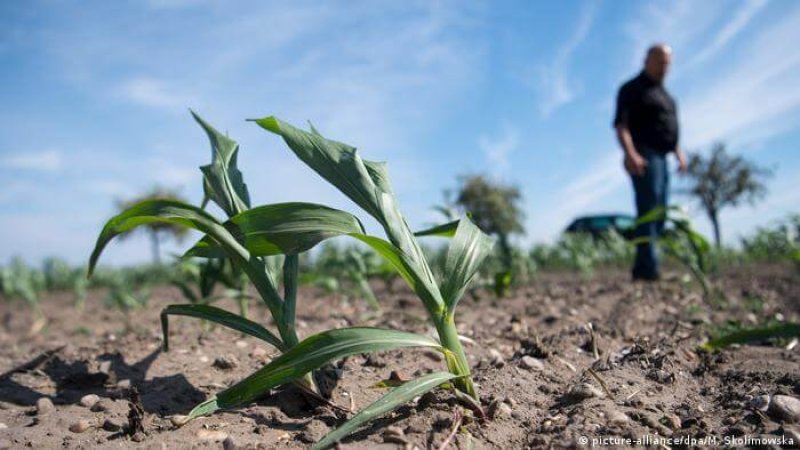
Credit: M. Skolimowska/DPA

Climate change associated with GHG emissions is typically perceived to influence agricultural productivity through three primary channels. Other things being equal, increased carbon dioxide and ozone in the atmosphere and rising surface temperatures both affect plant growth. In addition, changes in precipitation associated with warmer global temperatures also affect agricultural productivity.

Follow the latest news and policy debates on sustainable agriculture, biomedicine, and other ‘disruptive’ innovations. Subscribe to our newsletter.

Much of this research suggests that not only will yields tend to fall as climate changes but also the risks associated with variable crop yields will increase because weather patterns are likely to become more volatile. 

However, many of these studies fail to account for innovations in crop varieties that affect and often reduce the impacts of heat- and drought-related stress on crop yields. 

Technological innovations—and the research efforts that underpin their discovery—clearly adapt and respond to changing needs associated with changing environmental and market conditions. This is especially true in agriculture, where recent innovations in seed breeding and genetic modification techniques (e.g., CRISPR) have yielded crops that are much more resilient to weather stresses.

Those who suggest the opposite is true are offering hypotheses that do not square with the assessments of farmers who witness the impacts of climate-driven weather patterns firsthand. 

This is an excerpt. Read the original post here.

{{ reviewsTotal }}{{ options.labels.singularReviewCountLabel }}
{{ reviewsTotal }}{{ options.labels.pluralReviewCountLabel }}
{{ options.labels.newReviewButton }}
{{ userData.canReview.message }}

Related Articles

Infographic: Global regulatory and health research agencies on whether glyphosate causes cancer

Infographic: Global regulatory and health research agencies on whether glyphosate causes cancer

Does glyphosate—the world's most heavily-used herbicide—pose serious harm to humans? Is it carcinogenic? Those issues are of both legal and ...

Most Popular

ChatGPT-Image-May-1-2026-11_42_59-AM-2
Viewpoint: NAD is the wellness grifters latest evidence-lite longevity fad. At least the mice are impressed.
Screenshot-2026-04-22-at-12.21.32-PM
Viewpoint: Why the retracted Monsanto glyphosate study doesn’t change the science—the world’s most popular herbicide is safe 
Picture1
The FDA couldn’t find a vaccine safety crisis, so it buried its own research
Picture1
The Orange Bowl without oranges: Can CRISPR save Florida citrus?
Screenshot 2026-01-06 at 2.21
‘The dire wolf isn’t back’: A Colossal failure or the cutting-edge of conservation? Maybe both
glp menu logo outlined

Get news on human & agricultural genetics and biotechnology delivered to your inbox.