Viewpoint on sustainable fishing: Oft-maligned aquaculture offers range of environmental and production benefits

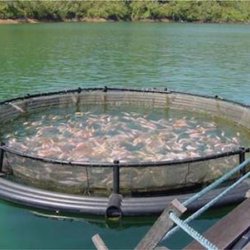
Offshore aquaculture farm. Credit: Innovasea

With the U.S. importing 90 percent of the seafood we eat, it’s clear that wild capture fisheries alone can’t meet our increasing demand for seafood. It’s time for the United States to take action to diversify our food supply by encouraging development of the nascent aquaculture industry, while also supporting growth of other related industries, such as agriculture. 

Mis- and disinformation are distorting science and public policy. Subscribe to our Daily and Weekly Digests for incisive coverage of ‘disruptive’ innovations in AI, agricultural biotechnology, food, chemicals, nuclear energy, vaccines, and other disruptive innovations.

Aquaculture in the U.S. has been hampered by an erratic and intimidating regulatory landscape, which currently involves an alphabet soup of state and federal agencies. It’s confusing, time-consuming and expensive, with up-front administrative costs for a new fish farming project capable of creeping into the seven figure range.

…
Unfortunately, there are many outdated and misguided myths surrounding aquaculture. The truth is that fish farming is a proven, sustainable form of food production. Scientific research shows that offshore aquaculture, when done carefully and managed responsibly, has little environmental impact. And, when it comes to shellfish, species like mussels are inherently sustainable because they help clean the ocean floor.

Fish farming is the fastest growing food sector in the world, and the U.S. needs to embrace this burgeoning industry. We have the resources and technological know-how to be a world leader in responsible aquaculture.


This is an excerpt. Read the original post here.

Related Articles

Infographic: Global regulatory and health research agencies on whether glyphosate causes cancer

Infographic: Global regulatory and health research agencies on whether glyphosate causes cancer

Does glyphosate—the world's most heavily-used herbicide—pose serious harm to humans? Is it carcinogenic? Those issues are of both legal and ...

Most Popular

ChatGPT-Image-Mar-10-2026-01_39_01-PM
Viewpoint—“Miracle molecule” debunked: Why acemannan supplements don’t work
Screenshot-2026-10-08-at-10.41.33-AM
Viewpoint: Wellness patches: Most vitamin supplements are useless and sometimes even dangerous, but this craze is even worse
Screenshot-2026-10-14-at-11.45.36-AM
Viewpoint: RFK Jr.’s stacked FDA advisory council endorses multicancer screening test from ethically- questionable company that would increase false positives and waste billions of dollars
newborn baby spit up gerd
Vaccine-preventable congenital infections are a leading driver of autism
Misinformation-Shatters-the-Clockwork-Mind
Viewpoint: The price Americans pay for science denialism
Screenshot-2026-10-15-at-12.13.33-PM
Ahead of the midterms, Meta has paid at least 29 anti-LGBTQ accounts for their posts
Pride and Patriotism in the Breeze
Retreat from identity labels: Does the sharply declining number of young teens identifying as gay and bisexual reflect an ideological shift?
Screenshot-2026-10-14-at-12.47.21-PM
Viewpoint: Are these Trump-conservative GOP doctor-politicians violating their medical oath?
Crossed-Out-Calendar-with-Milk-Carton
Viewpoint: The shocking consequences after a year of Robert F. Kennedy Jr.'s distortions, deceptions, and flat-out falsehoods
glp menu logo outlined

Get news on human & agricultural genetics and biotechnology delivered to your inbox.