Cancerland? A wider array of cancer pre-screening and hyper-early detection methods are arriving. Here’s why that’s problematic

Credit: Choosing Wisely Canada

Cancer is appropriately perceived as a disease of risk: genetic or heritable risks, lifestyle risks and the unknown risks of chance. Modern medical science has begun to quantify these hazards for patients even before they get cancer.

Follow the latest news and policy debates on sustainable agriculture, biomedicine, and other ‘disruptive’ innovations. Subscribe to our newsletter.

The borders of “Cancerland”—a term the oncologist David Scadden coined with the title of his 2018 memoir—begin to feel all-encompassing. In the past, entry was reserved for those with a diagnosis of cancer. Today everyone, in one way or another, slowly becomes a citizen.

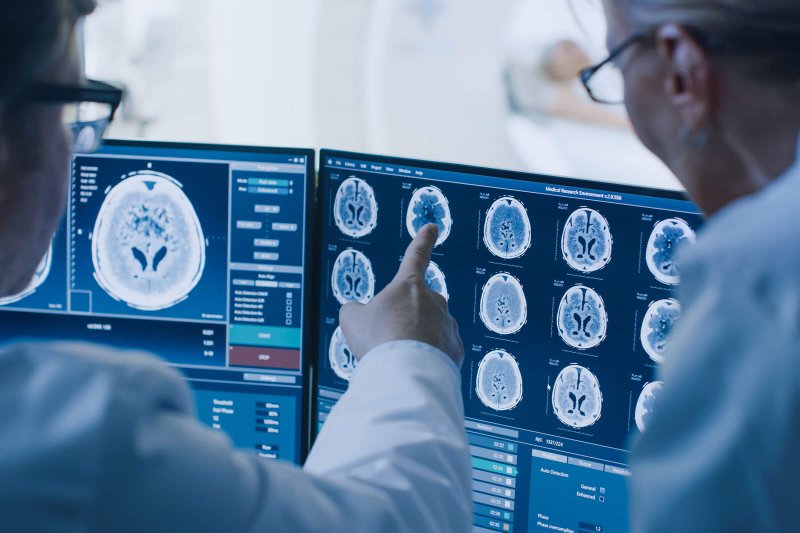
Two kinds of technology are radically altering the landscape of cancer risk and screening. The first involves genetic surveillance—the attempt to quantify an individual’s inherited predisposition for cancer. The second is physiological surveillance, which seeks to detect chemical markers of incipient cancers in blood.

But they are not yet as precise as we might hope, and they come at a cost: By pulling increasing numbers of people into the domain of surveillance and screening, they encourage people without current cancer, but with the prospect of future cancer, to become citizens or permanent residents of Cancerland.

Settling into this domain can be life-distorting: As the shadow of future illness dilates and magnifies, so too do the shadows of anxiety and dread.


This is an excerpt. Read the original post here.

{{ reviewsTotal }}{{ options.labels.singularReviewCountLabel }}
{{ reviewsTotal }}{{ options.labels.pluralReviewCountLabel }}
{{ options.labels.newReviewButton }}
{{ userData.canReview.message }}

Related Articles

Infographic: Global regulatory and health research agencies on whether glyphosate causes cancer

Infographic: Global regulatory and health research agencies on whether glyphosate causes cancer

Does glyphosate—the world's most heavily-used herbicide—pose serious harm to humans? Is it carcinogenic? Those issues are of both legal and ...

Most Popular

d-b
Blocked arteries, kidney stones, nausea, constipation, fatigue: Long list of health problems caused by too much vitamin D 
Screenshot-PM-24
Viewpoint: The herbicide glyphosate isn’t perfect. Banning it would be far worse.
ChatGPT-Image-Apr-30-2026-05_00_48-PM
Wellness grifter physician turned wellness influencer out as surgeon general nominee
ChatGPT-Image-Apr-30-2026-12_21_05-PM-2
The tech billionaires behind the immortality movement
ChatGPT-Image-Mar-27-2026-11_27_05-AM
The myths of “process”: What science says about the “dangers’ of synthetic products and ultra-processed foods
79d03212-2508-45d0-b427-8e9743ff6432
Viewpoint: The Casey Means hustle—Wellness woo opportunism dressed up as medical wisdom

Sorry. No data so far.

glp menu logo outlined

Get news on human & agricultural genetics and biotechnology delivered to your inbox.