How DNA floating in the air can help us protect animal biodiversity

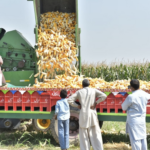
Elizabeth Clare of York University demonstrating a DNA vacuum to detect species. Credit: Elizabeth Clare

Two new studies published [January 6] in the journal Current Biology show that environmental DNA (eDNA) collected from air can be used to detect a wide range of animal species and offers a novel, non-invasive approach to monitoring biodiversity.

Follow the latest news and policy debates on sustainable agriculture, biomedicine, and other ‘disruptive’ innovations. Subscribe to our newsletter.

“When we analyzed the collected samples, we were able to identify DNA from 25 different species of animals, such as tigers, lemurs and dingoes, 17 of which were known zoo species. We were even able to collect eDNA from animals that were hundreds of metres away from where we were testing without a significant drop in the concentration, and even from outside sealed buildings. The animals were inside, but their DNA was escaping,” says [professor Elizabeth] Clare.

“The non-invasive nature of this approach makes it particularly valuable for observing vulnerable or endangered species as well as those in hard-to-reach environments, such as caves and burrows They do not have to be visible for us to know they are in the area if we can pick up traces of their DNA, literally out of thin air,” says Clare.
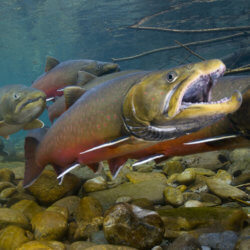
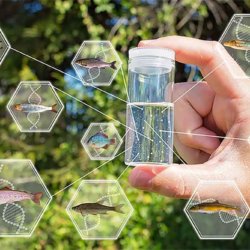
“Air sampling could revolutionize terrestrial biomonitoring and provide new opportunities to track the composition of animal communities as well as detect invasion of non-native species.”


This is an excerpt. Read the original post here.

{{ reviewsTotal }}{{ options.labels.singularReviewCountLabel }}
{{ reviewsTotal }}{{ options.labels.pluralReviewCountLabel }}
{{ options.labels.newReviewButton }}
{{ userData.canReview.message }}

Related Articles

Infographic: Global regulatory and health research agencies on whether glyphosate causes cancer

Infographic: Global regulatory and health research agencies on whether glyphosate causes cancer

Does glyphosate—the world's most heavily-used herbicide—pose serious harm to humans? Is it carcinogenic? Those issues are of both legal and ...

Most Popular

d-b
Blocked arteries, kidney stones, nausea, constipation, fatigue: Long list of health problems caused by too much vitamin D 
Screenshot-PM-24
Viewpoint: The herbicide glyphosate isn’t perfect. Banning it would be far worse.
79d03212-2508-45d0-b427-8e9743ff6432
Viewpoint: The Casey Means hustle—Wellness woo opportunism dressed up as medical wisdom
ChatGPT-Image-Mar-10-2026-01_39_01-PM
Viewpoint—“Miracle molecule” debunked: Why acemannan supplements don’t work
ChatGPT-Image-Mar-27-2026-11_27_05-AM
The myths of “process”: What science says about the “dangers’ of synthetic products and ultra-processed foods
ChatGPT-Image-Apr-30-2026-12_21_05-PM-2
The tech billionaires behind the immortality movement
ChatGPT-Image-Apr-30-2026-05_00_48-PM
Wellness grifter physician turned wellness influencer out as surgeon general nominee

Sorry. No data so far.

glp menu logo outlined

Get news on human & agricultural genetics and biotechnology delivered to your inbox.