
Going bald? Scientists have reprogrammed cells to grow hair on mice. Are humans next?

Credit: Getty Images

Biologists at several startups are applying the latest advances in genetic engineering to the age-old problem of baldness, creating new hair-forming cells that could restore a person’s ability to grow hair.

Some researchers tell MIT Technology Review they are using the techniques to grow human hair cells in their labs and even on animals. A startup called dNovo sent us a photograph of a mouse sprouting a dense clump of human hair—the result of a transplant of what the company says are human hair stem cells.
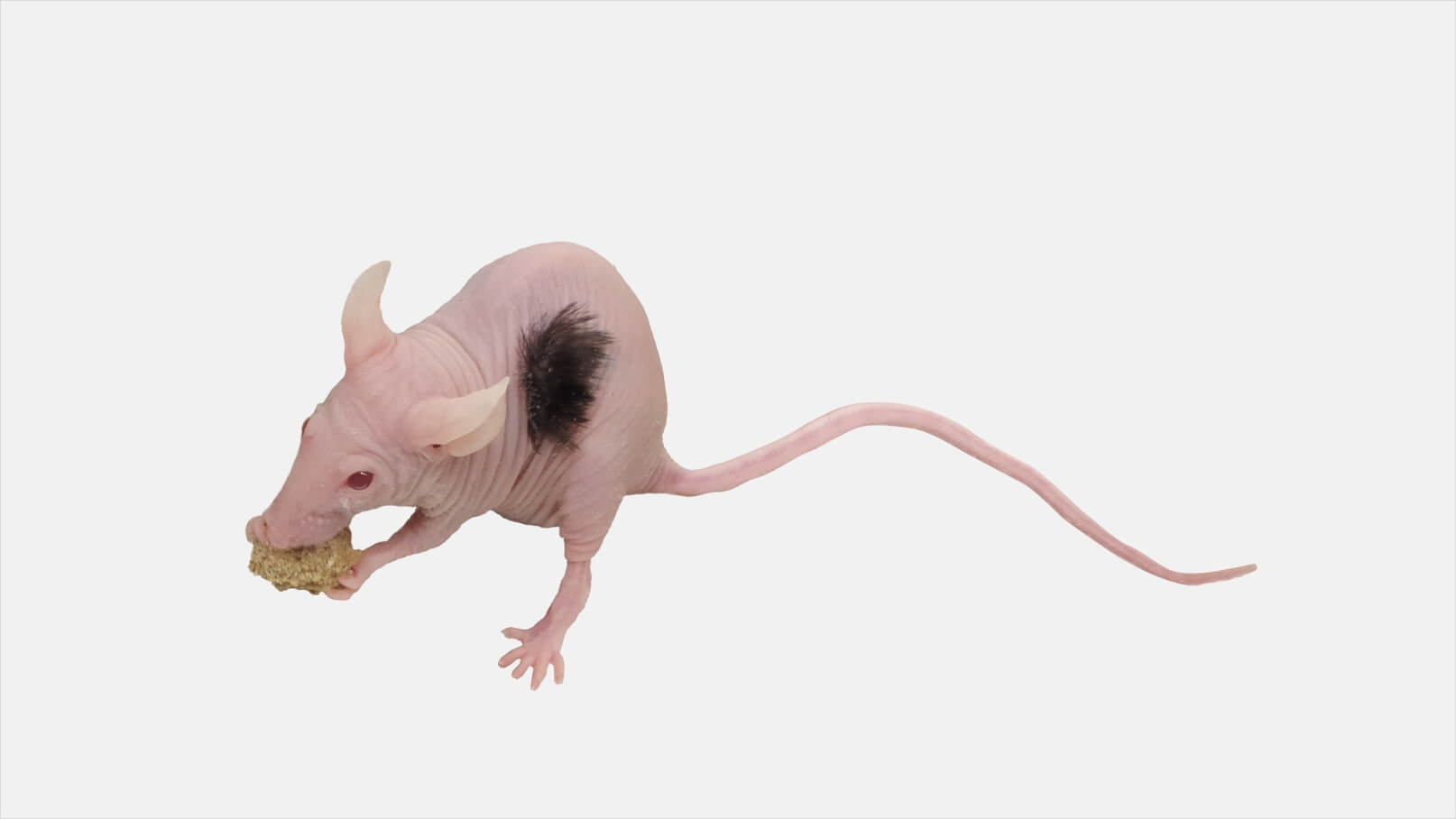
A hairless mouse sprouts a tuft of human hair following a transplant of follicle-forming stem cells. Credit: dNovo

Follow the latest news and policy debates on sustainable agriculture, biomedicine, and other ‘disruptive’ innovations. Subscribe to our newsletter.

So is stem-cell technology going to cure baldness or become the next false hope? [Stemson CEO Geoff] Hamilton, who was invited to give the keynote at this year’s Global Hair Loss Summit, says he tried to emphasize that the company still has plenty of research ahead of it.

“We have seen so many [people] come in and say they have a solution. That has happened a lot in hair, and so I have to address that,” he says. “We’re trying to project to the world that we are real scientists and that it’s risky to the point I can’t guarantee it’s going to work.”


This is an excerpt. Read the original post here. 

{{ reviewsTotal }}{{ options.labels.singularReviewCountLabel }}
{{ reviewsTotal }}{{ options.labels.pluralReviewCountLabel }}
{{ options.labels.newReviewButton }}
{{ userData.canReview.message }}

Related Articles

Infographic: Global regulatory and health research agencies on whether glyphosate causes cancer

Infographic: Global regulatory and health research agencies on whether glyphosate causes cancer

Does glyphosate—the world's most heavily-used herbicide—pose serious harm to humans? Is it carcinogenic? Those issues are of both legal and ...

Most Popular

Screenshot-2026-05-01-at-1.29.41-PM
Viewpoint: What happens when whole grains meet modern food manufacturing? Labels don’t tell the whole story.
S
As vaccine rejectionism spreads, measles may be taking a more dangerous turn
Screenshot 2026-05-06 at 2.56
Singularity crisis ahead? Can super babies save us from rogue AI geniuses?
Screenshot-2026-05-06-at-2.07.43-PM
Manufacturing a conspiracy: The timeline of how  the White House embraced the fringe claim that scientists are being mysteriously murdered
Screenshot-2026-04-20-at-2.26.27-PM
Viewpoint — Food-fear world: The latest activist scientists campaign: Cancer-causing additives
Screenshot-2026-04-30-at-2.19.37-PM
5 myths about summer dehydration that could damage your health — or even kill you
Screenshot-2026-03-13-at-12.14.04-PM
The FDA wants to make many popular prescription drugs OTC—a great idea. Here’s why it’s unlikely to happen
ChatGPT-Image-May-6-2026-03_41_05-PM
‘Protecting the integrity of science’: Kennedy’s FDA blocks release of taxpayer-funded studies finding COVID and shingles vaccines safe
Screenshot 2026-05-06 at 12.49
Immortal dragons: The quest to ‘make death optional’
Screenshot-2026-04-12-135256
Bixonimania: The fake disease scam that AI swallowed whole
glp menu logo outlined

Get news on human & agricultural genetics and biotechnology delivered to your inbox.