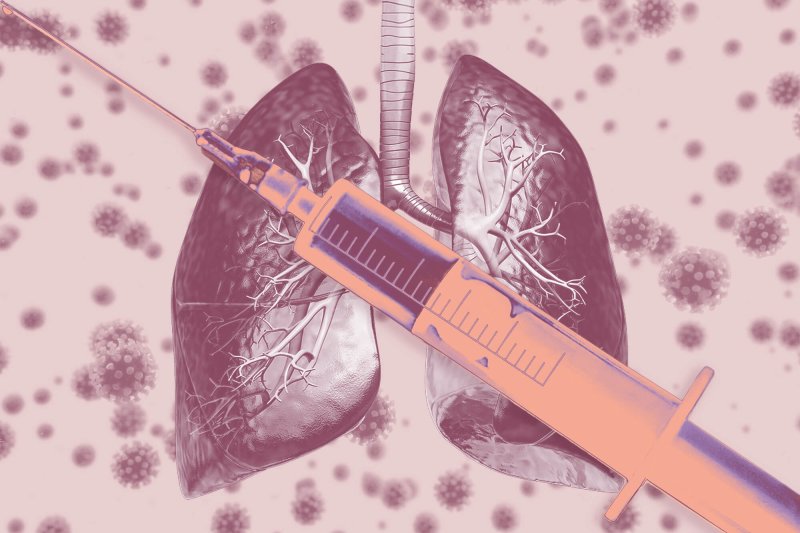
Hospitals are refusing transplants for unvaccinated patients. Is that ethical?

Credit: Science Photo Library

A Boston hospital’s denial of a heart transplant to a man who is unvaccinated for Covid-19 has generated national attention, but experts say mandating vaccines is in keeping with other long-standing requirements that patients have to meet to receive an organ — including getting other shots.

Follow the latest news and policy debates on sustainable agriculture, biomedicine, and other ‘disruptive’ innovations. Subscribe to our newsletter.

Perhaps because of the politicization of Covid-19 vaccines more broadly, the reaction to such decisions is sometimes greeted with outrage. But ethicists and transplant physicians stress that organ allocation has to be partially determined by who can survive and thrive with a scarce resource. With so many people waiting for an organ, clinicians try to maximize the chances of a successful transplant. Hospitals don’t want to allocate an organ to people who are putting themselves at higher risk of dying after a transplant — especially since that organ can’t then go to someone else.

“The entire transplant evaluation process, which can be very long and very demanding, is about making sure patients are in the best physical, mental, and social condition to endure a transplant, and then all the downstream effects of transplantation,” said Olivia Kates, a Johns Hopkins infectious diseases physician who specializes in transplant patients.


This is an excerpt. Read the original post here. 

{{ reviewsTotal }}{{ options.labels.singularReviewCountLabel }}
{{ reviewsTotal }}{{ options.labels.pluralReviewCountLabel }}
{{ options.labels.newReviewButton }}
{{ userData.canReview.message }}

Related Articles

Infographic: Global regulatory and health research agencies on whether glyphosate causes cancer

Infographic: Global regulatory and health research agencies on whether glyphosate causes cancer

Does glyphosate—the world's most heavily-used herbicide—pose serious harm to humans? Is it carcinogenic? Those issues are of both legal and ...

Most Popular

d-b
Blocked arteries, kidney stones, nausea, constipation, fatigue: Long list of health problems caused by too much vitamin D 
Screenshot-PM-24
Viewpoint: The herbicide glyphosate isn’t perfect. Banning it would be far worse.
ChatGPT-Image-Apr-30-2026-12_21_05-PM-2
The tech billionaires behind the immortality movement
ChatGPT-Image-Apr-30-2026-05_00_48-PM
Wellness grifter physician turned wellness influencer out as surgeon general nominee
ChatGPT-Image-Mar-27-2026-11_27_05-AM
The myths of “process”: What science says about the “dangers’ of synthetic products and ultra-processed foods

Sorry. No data so far.

glp menu logo outlined

Get news on human & agricultural genetics and biotechnology delivered to your inbox.