Science vs. sales: The antiaging field is booming–with both promise and charlatans

Credit: Methuselah Foundation

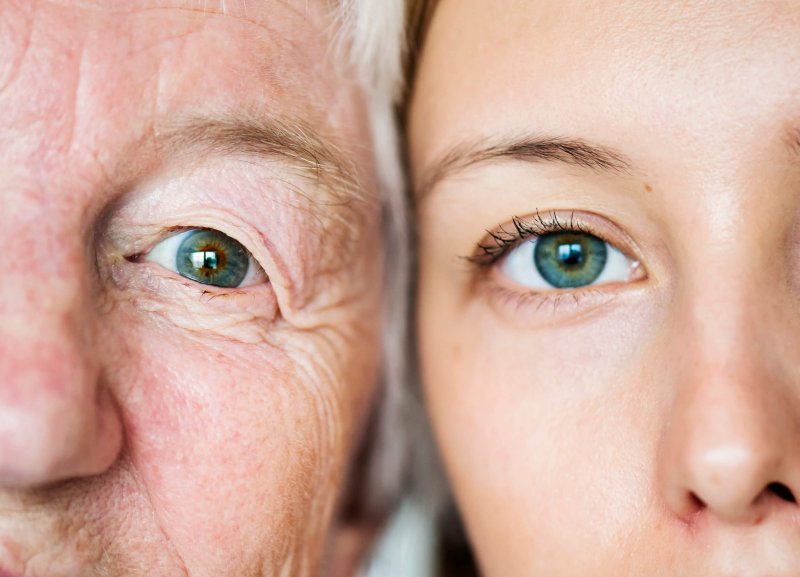
The antiaging world exists far beyond the laboratory. There is a booming business around lifespan extension, chock full of sleek products sold in minimalist packaging promoted on Instagram feeds.

Aging research is stigmatized by fakes who try to sell products and make money, says Richard Miller, professor of pathology at the University of Michigan and director of the Paul Glenn Center for Biology of Aging.

There is a faint stench of charlatanism, Miller suggests, that taints researchers who are doing quality research.

Follow the latest news and policy debates on sustainable agriculture, biomedicine, and other ‘disruptive’ innovations. Subscribe to our newsletter.

“People have a fantasy that if you just stop eating, and become calorically restricted, you’ll live a long time. It’s the same fantasy that if you could just flap your arms fast enough, you could fly,” he says.

The line between science and pseudoscience can be blurry. When those lines are drawn by top scientists, with deep financial ties, parsing hope from hype, fact from fiction, is a challenge for even a well-trained scientific eye.

Aging is a murkier area than most other fields of science, with pioneers selling berry-based supplements and top-notch computational biologists banking on young blood.

Will the result be a product that can successfully extend people’s lifespan? Only time will tell.


This is an excerpt. Read the original post here. 

{{ reviewsTotal }}{{ options.labels.singularReviewCountLabel }}
{{ reviewsTotal }}{{ options.labels.pluralReviewCountLabel }}
{{ options.labels.newReviewButton }}
{{ userData.canReview.message }}

Related Articles

Infographic: Global regulatory and health research agencies on whether glyphosate causes cancer

Infographic: Global regulatory and health research agencies on whether glyphosate causes cancer

Does glyphosate—the world's most heavily-used herbicide—pose serious harm to humans? Is it carcinogenic? Those issues are of both legal and ...

Most Popular

ChatGPT-Image-May-7-2026-12_32_36-PM
Viewpoint: The state of U.S. vaccine policy? Dismal nationally, but some states are stepping up.
Screenshot-2026-04-22-at-10.46.29-AM
Viewpoint: How to counter science disinformation? Science journalist offers 12 practical tips
Screenshot-2026-04-13-at-1.39.26-PM
Viewpoint: ‘Safer for children?’ Stonyfield yogurt under fire for deceptive organic marketing
ChatGPT-Image-May-7-2026-12_16_37-PM-2
Viewpoint: Are cancer rates ‘skyrocketing’ as RFK, Jr. and MAHA claim? The evidence says mostly the opposite
ChatGPT-Image-May-7-2026-01_23_27-PM-2
Viewpoint: Will AI democratize personalized cancer treatment or fuel medical misinformation?
Defense_Secretary_Ash_Carter_tours_the_Microsoft_Cybercrime_Center_in_Seattle_March_3_2016
How criminals are using AI to target social media users and steal their money and confidential data
the magic of mRNA
Viewpoint: Anti-vax fake ‘turbo cancer’ claims threaten cancer treatment breakthroughs
ChatGPT-Image-May-12-2026-08_39_41-PM
GLP podcast: Big Pharma, Big Ag, Big Food—health harming industries or life-saving innovators?
artificial intelligence brain think illustration md
Viewpoint — Digital gods and human extinction: Will we be the first species ever to design our own descendants?
Picture1-1
Cooling the planet with balloons: Could a geoengineering gamble slow global warming?
Screenshot-2026-04-23-at-11.00.36-AM
Regulators' dilemma: Thalidomide, Metformin, and the cost of getting drug approvals wrong
Picture1-14
When superbugs threaten vulnerable children: Can AI help solve antibiotic resistance?
RFKjr-Tech-Vax-Misinfo
As U.S. officials spread medical misinformation, scientists fact check online
glp menu logo outlined

Get news on human & agricultural genetics and biotechnology delivered to your inbox.