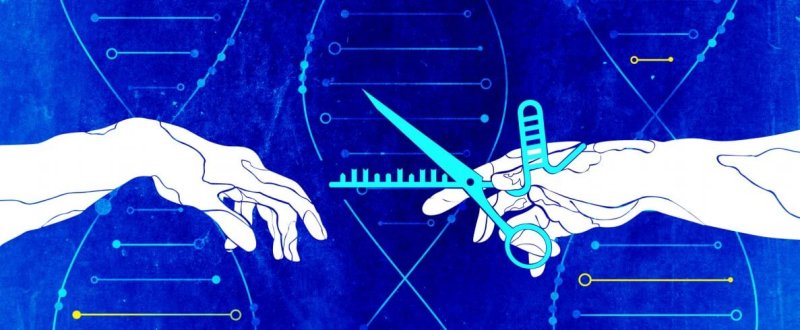
Happy anniversary CRISPR: Transformative gene editing technology is 10 years old. What’s next?

Credit: GenEngNews
Credit: GenEngNews

2022 marks 10 years since the initial publications characterizing Cas9 as a programmable RNA-guided endonuclease. These findings have led to the emergence of powerful CRISPR-based platforms enabling gene disruption, insertion, correction, and deletion. Accordingly, for the past decade, genome editing has moved through multiple inflection points as CRISPR transitioned from basic science to near-ubiquitous research tool, and into a potentially transformative therapeutic modality.

The astonishing rise of CRISPR has been accompanied by the establishment of a stable of biotech companies aiming to leverage the technology for therapeutic applications. We have started to see that therapeutic promise materializes with clinical proof of concept emerging in indications, including sickle-cell disease (SCD), a form of hereditary amyloidosis, and cancer.


Mis- and disinformation are distorting science and public policy. Subscribe to our Daily and Weekly Digests for incisive coverage of ‘disruptive’ innovations in AI, agricultural biotechnology, food, chemicals, nuclear energy, vaccines, and other disruptive innovations.

Even as the first wave of programs moves forward through clinical studies, the technology side continues to advance at a rapid clip, with advances in activity, specificity, and the incorporation of novel functions positioned to further expand the “CRISPR toolbox” and the reach of therapeutic genome editing. Although various open questions remain regarding safety and activity, the outlook for the field is excellent. CRISPR technology is on track to become a pillar of cell and gene therapies in the coming decades.


This is an excerpt. Read the original post here. 

Related Articles

Infographic: Global regulatory and health research agencies on whether glyphosate causes cancer

Infographic: Global regulatory and health research agencies on whether glyphosate causes cancer

Does glyphosate—the world's most heavily-used herbicide—pose serious harm to humans? Is it carcinogenic? Those issues are of both legal and ...

Most Popular

ChatGPT-Image-Sep-17-2026-12_28_43-PM
Vitamin D, omega-3 fish oil and glucosamine supplements could cause brain damage 
ChatGPT-Image-Mar-10-2026-01_39_01-PM
Viewpoint—“Miracle molecule” debunked: Why acemannan supplements don’t work
ChatGPT-Image-Sep-17-2026-10_17_15-AM
Viewpoint: Why are the less intelligent more likely to be conservative—and smarter people more socially liberal?
Screenshot-2026-09-10-at-12.20.19-PM
'Jet fuel didn't melt the steel': 9/11 conspiracy theories debunked
Screenshot-2026-09-16-at-12.07.47-PM
The heated debate over trans athletes in the WNBA
Screenshot-2026-09-10-at-11.50.46-AM
Did COVID vaccines kill 2,500 service members? RFK Jr. hires an investigator who compares vaccine promoters to Nazi doctors
Screenshot-2026-09-17-at-10.24.54-AM
Viewpoint: Dubious environmental fears: Why the AI buildout is critical to America’s ecological future
Screenshot 2026-07-29 at 10.40
The COVID vaccine turbo cancer scare is back. Science still proves it’s wrong.
ChatGPT-Image-Sep-9-2026-02_48_24-PM
Viewpoint: Trump-RFK Jr. report on “Gender Ideology & Left-wing Ideology’ targets LGBTQ community—and science
glp menu logo outlined

Get news on human & agricultural genetics and biotechnology delivered to your inbox.