The COVID myth that refuses to die — No, none of the coronavirus vaccines alters your brain DNA

Credit: BBC
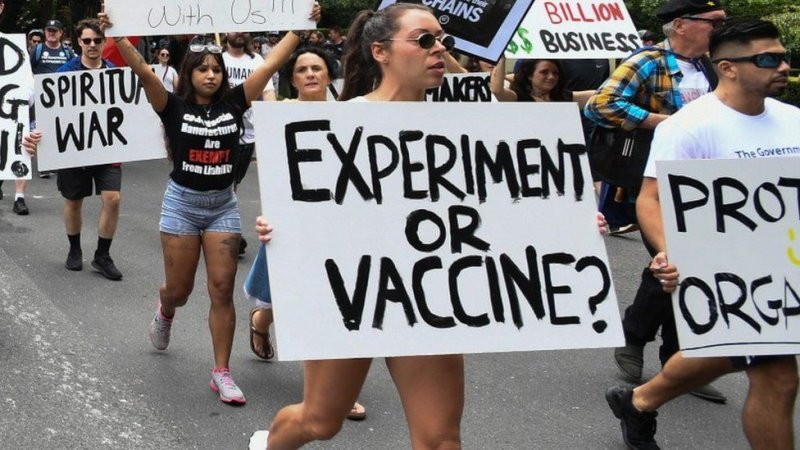
Credit: BBC

As repetitive as I have been with respect to this, there is nothing new under the sun when it comes to antivaccine myths, misinformation, and disinformation, and that applies to COVID-19 vaccines.

If public health officials and messengers had paid more attention to the tactics and tropes of the antivaccine movement, including its central conspiracy theory, maybe they would have been more prepared for the onslaught of antivaccine misinformation that was unleashed as the mRNA COVID-19 vaccines were undergoing clinical trials and when they were finally initially approved under an emergency use authorization (EUA) near the end of 2020.

They didn’t, and here we are, which is why, having seen it before multiple times last year, In addition to various claims of how “toxic” the SARS-CoV-2 spike protein that vaccines induce cells to make as an antigen are, I’m faced with the return of the revenge of the antivaccine lie that mRNA-based COVID-19 vaccines “permanently alter your DNA” (they don’t, nor do they “hack the software of life“, nor are they really “gene therapy“) this time from Jessica Rose, who is affiliated with James Lyons-Weiler‘s antivaccine “institute” with the humble name of Institute for Pure and Applied Knowledge (IPAK).

Follow the latest news and policy debates on sustainable agriculture, biomedicine, and other ‘disruptive’ innovations. Subscribe to our newsletter.

The claim that vaccines somehow changes your DNA actually dates back to before scientists even understood DNA as the basis of heredity, as illustrated, for example, by this famous “Cow-Pock” cartoon from 1802 by satirist James Gillray about smallpox vaccine.


As I like to say, in antivaxland, everything old is new again in the age of COVID-19. However, as the pandemic grinds on, entering its third year, even everything old that was new again when COVID-19 struck is becoming old.


This is an excerpt. Read the original post here. 

{{ reviewsTotal }}{{ options.labels.singularReviewCountLabel }}
{{ reviewsTotal }}{{ options.labels.pluralReviewCountLabel }}
{{ options.labels.newReviewButton }}
{{ userData.canReview.message }}

Related Articles

Infographic: Global regulatory and health research agencies on whether glyphosate causes cancer

Infographic: Global regulatory and health research agencies on whether glyphosate causes cancer

Does glyphosate—the world's most heavily-used herbicide—pose serious harm to humans? Is it carcinogenic? Those issues are of both legal and ...

Most Popular

Screenshot-2026-04-13-at-1.39.26-PM
Viewpoint: ‘Safer for children?’ Stonyfield yogurt under fire for deceptive organic marketing
Screenshot-2026-04-22-at-10.46.29-AM
Viewpoint: How to counter science disinformation? Science journalist offers 12 practical tips
ChatGPT-Image-May-7-2026-12_16_37-PM-2
Viewpoint: Are cancer rates ‘skyrocketing’ as RFK, Jr. and MAHA claim? The evidence says mostly the opposite
Picture1-14
When superbugs threaten vulnerable children: Can AI help solve antibiotic resistance?
ChatGPT-Image-May-12-2026-08_39_41-PM
GLP podcast: Big Pharma, Big Ag, Big Food—health harming industries or life-saving innovators?
Screenshot-2026-04-23-at-11.00.36-AM
Regulators' dilemma: Thalidomide, Metformin, and the cost of getting drug approvals wrong
Picture1-1
Cooling the planet with balloons: Could a geoengineering gamble slow global warming?
png-pill-omega-Supp-fish-oil
Millions take omega-3 fish oil for brain health. New research suggests it may do the opposite.
glp menu logo outlined

Get news on human & agricultural genetics and biotechnology delivered to your inbox.