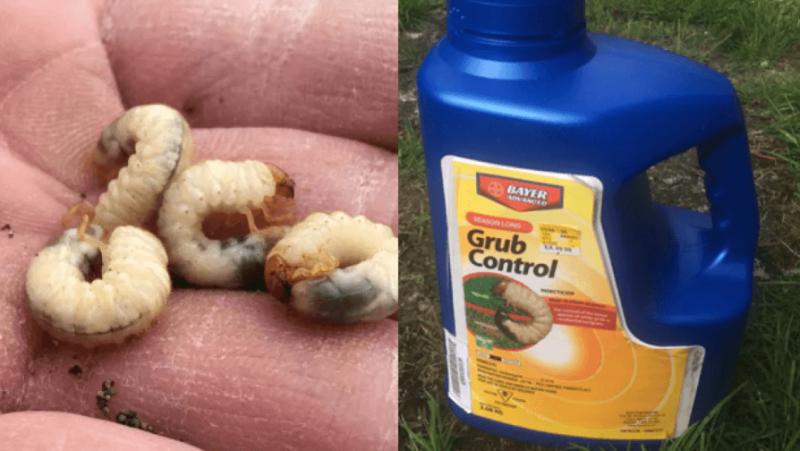
EPA poised to extend use of four neonicotinoid pesticides, rebuffing environmentalist claims they endanger bees

Credit: CBC
Credit: CBC

The US Environmental Protection Agency is poised to allow the use of four of the most devastating chemicals to bees, butterflies and other insects to continue in America for the next 15 years, despite moves by the European Union to ban the use of toxins that have been blamed for widespread insect declines.

The EPA is widely expected to confirm a proposed plan outlined last year that will extend the use of imidacloprid, thiamethoxam, clothianidin and dinotefuran.

Follow the latest news and policy debates on sustainable agriculture, biomedicine, and other ‘disruptive’ innovations. Subscribe to our newsletter.

“We are already seeing crashes in insect numbers and we don’t have another 15 years to waste,” said Nathan Donley, environmental health science director at the Center for Biological Diversity.

“It’s frustrating to see the EPA go down this path. We really are at a crossroads – we can follow the science and the rest of the world or we can go out on our own and appease the chemical industry.”

An EPA spokeswoman said that review decisions for the neonicotinoids will be issued in “late 2022” and that mitigation rules for their use are being considered. “We understand the importance of pollinators for healthy ecosystems and a sustainable food supply,” she said, adding that the EPA “is working aggressively to protect pollinators, including bees”.


This is an excerpt. Read the original post here.

{{ reviewsTotal }}{{ options.labels.singularReviewCountLabel }}
{{ reviewsTotal }}{{ options.labels.pluralReviewCountLabel }}
{{ options.labels.newReviewButton }}
{{ userData.canReview.message }}

Related Articles

Infographic: Global regulatory and health research agencies on whether glyphosate causes cancer

Infographic: Global regulatory and health research agencies on whether glyphosate causes cancer

Does glyphosate—the world's most heavily-used herbicide—pose serious harm to humans? Is it carcinogenic? Those issues are of both legal and ...

Most Popular

ChatGPT-Image-Jun-25-2026-12_23_17-PM
No, Bill Gates did not secretly engineer ticks to promote veganism
ChatGPT-Image-Jun-23-2026-03_12_23-PM
Is cellular reprogramming junk science? Nearly 20 patients are getting eye injections in the first FDA-cleared cellular trial
ChatGPT-Image-Jun-24-2026-11_36_47-AM
Why the human genome is less a script than a puzzle
Screenshot-2026-06-15-at-1.55.27-PM
America's trust in Trump-Kennedy's CDC health recommendations is plunging
ChatGPT-Image-Jun-17-2026-10_52_43-AM
Anguished parents, doctors in tears: Utah’s long measles outbreak takes a toll
ChatGPT-Image-Mar-10-2026-01_39_01-PM
Viewpoint—“Miracle molecule” debunked: Why acemannan supplements don’t work
Screenshot 2026-06-25 at 10.55
Leading OB-GYN group challenges RFK, Jr. gutting of maternal vaccine schedule
Screenshot-2026-06-22-at-9.04.46-PM
Kennedy's nutrition prescription for medical schools: Real problem, bad cure
Screenshot-2026-06-24-at-2.57.41-PM
Viewpoint: Trump’s Reflecting Pool algae fiasco points to a bigger culprit: Climate change
Screenshot-2026-06-24-at-2.40.46-PM
Hegseth reversal: As Air Force flu outbreak continues to surge, military reinstitutes mandatory vaccines for recruits
Screenshot-2026-06-25-at-1.48.40-PM
Glyphosate affirmed as safe: Supreme Court rejects lawsuit claiming Roundup herbicide causes cancer, upholding EPA determination

Sorry. No data so far.

glp menu logo outlined

Get news on human & agricultural genetics and biotechnology delivered to your inbox.