French president Emmanuel Macron on Europe’s pro-organic, anti-biotechnology sustainable food strategy: ‘It was based on a pre-Ukraine war world and should be reviewed’

Emmanuel Macron. Credit: Farming Independent

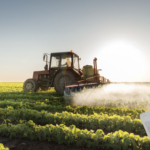
Brussels agreed two years ago to reform its farm practices as part of a drive to eliminate net carbon emissions by 2050. But Russia’s invasion of Ukraine has seen a drop in grain and fertiliser exports from those countries and raised concerns over food security.

The bloc’s agriculture ministers meet on [March 28] to discuss both short-term measures to alleviate the risk of shortages and price rises and possible changes to its Farm to Fork sustainable food strategy.

Follow the latest news and policy debates on sustainable agriculture, biomedicine, and other ‘disruptive’ innovations. Subscribe to our newsletter.

French president Emmanuel Macron said the sustainable food strategy was “based on a pre-Ukraine war world” and should be reviewed. The plans would lead to a 13 per cent drop in food production, he said on [March 18]. Macron needs the votes of the country’s powerful farming lobby in elections next month but similar concerns are being raised in other member states such as Spain and Italy.

Pekka Pesonen, secretary-general of Copa-Cogeca, said the best way to reduce carbon emissions was to increase productivity. He wants new technologies permitted that would allow gene editing to improve the output of animals and plants.

“Roughly speaking, two-thirds of the productivity improvements will come from better genetic material, our crops and livestock.”

This is an excerpt. Read the original post here.

 

{{ reviewsTotal }}{{ options.labels.singularReviewCountLabel }}
{{ reviewsTotal }}{{ options.labels.pluralReviewCountLabel }}
{{ options.labels.newReviewButton }}
{{ userData.canReview.message }}

Related Articles

Infographic: Global regulatory and health research agencies on whether glyphosate causes cancer

Infographic: Global regulatory and health research agencies on whether glyphosate causes cancer

Does glyphosate—the world's most heavily-used herbicide—pose serious harm to humans? Is it carcinogenic? Those issues are of both legal and ...

Most Popular

Screenshot-2026-04-22-at-12.21.32-PM
Viewpoint: Why the retracted Monsanto glyphosate study doesn’t change the science—the world’s most popular herbicide is safe 
Picture1
The FDA couldn’t find a vaccine safety crisis, so it buried its own research
ChatGPT-Image-May-1-2026-11_42_59-AM-2
Viewpoint: NAD is the wellness grifters latest evidence-lite longevity fad. At least the mice are impressed.
ChatGPT-Image-Apr-16-2026-02_56_53-PM
Financial incentives, over diagnosis, and weak oversight: Autism claims are driving up Medicare costs
global warming
‘Implausible’: Top climate scientists reject worst-case scenario—soaring temperatures and fast-rising sea levels
ChatGPT-Image-May-12-2026-11_27_01-AM-2
AI likely to improve health care, research shows—but not for blacks and ethnic minorities
ChatGPT-Image-May-7-2026-01_23_27-PM-2
Viewpoint: Will AI democratize personalized cancer treatment or fuel medical misinformation?
vax-misinformation-main
Facts & Fallacies Podcast: Limit free speech to blunt social media misinfo?

Sorry. No data so far.

glp menu logo outlined

Get news on human & agricultural genetics and biotechnology delivered to your inbox.