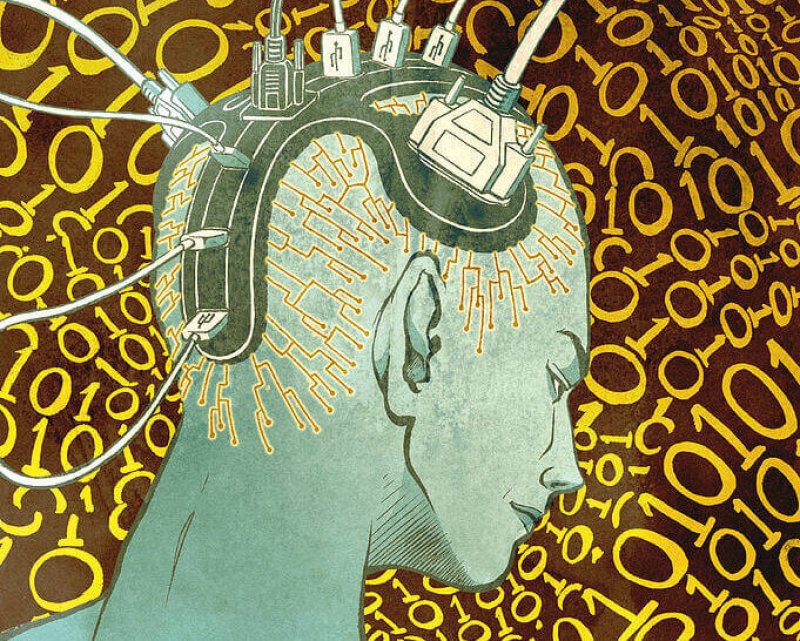
The brain controls everything we do, from fundamental processes like breathing and blinking, to more advanced actions like dancing or solving crosswords.
It consists of an extremely complex network of cells and communication cables called axons that send information between different parts of the brain and body.
When brain diseases such as Multiple Sclerosis and Alzheimer’s attack this network, they weaken and break down important brain functions like the ability to speak, move and remember.
To be able to develop cures for such diseases, we first need to understand exactly how they attack the brain tissue.

When different diseases attack, the brain employs its own healthcare system. This may involve, for example, an influx of helper cells that commute to the damaged region from different parts of the brain – just like ambulances responding to a car crash.
To reach the damaged site, these cells need to move along and between the tightly packed axons. In doing so, they end up pushing and deforming the axons when they pass by. It is possible that the flexibility in axon shape that we observe makes it possible for the helper cells to more efficiently reach and work on the damaged tissue.