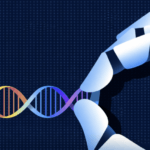
New Zealand’s two-decade, scientifically-outdated GMO ban under criticism as global technology advances

Credit: GE Free NZ
Credit: GE Free NZ

There’s a hole in the wall keeping genetically modified organisms out of New Zealand and it’s shaped like an impossible burger. As Chris Schulz wrote for The Spinoff, the lab-designed meat is the biggest name in the plant-based craze. However, the impossible burger would be impossible without genetic engineering.

Follow the latest news and policy debates on sustainable agriculture, biomedicine, and other ‘disruptive’ innovations. Subscribe to our newsletter.

There hasn’t been a review of New Zealand’s laws covering GMOs in over two decades. RNZ reports that the Productivity Commission now warns that current regulations don’t reflect 20 years of breakneck technological advances. The commission has recommended that regulations should accomodate new technology and not “stifle” innovation.

It’s possible that you’ll be reading a newsletter in another 20 years that also covers the country’s largely GMO-free status. But it’s unlikely. While there’s been tremendous technological change in the 20 years since the country’s last GMO review, the next two decades promise to be even more transformative. “Biology is the most important technology of this century,” Wired argues in a recent review of what’s to come. In ways that already seem unthinkable, technology is being used right now to edit and rewrite life. The future, for better or worse, will be increasingly synthetic.


This is an excerpt. Read the original post here

{{ reviewsTotal }}{{ options.labels.singularReviewCountLabel }}
{{ reviewsTotal }}{{ options.labels.pluralReviewCountLabel }}
{{ options.labels.newReviewButton }}
{{ userData.canReview.message }}

Related Articles

Infographic: Global regulatory and health research agencies on whether glyphosate causes cancer

Infographic: Global regulatory and health research agencies on whether glyphosate causes cancer

Does glyphosate—the world's most heavily-used herbicide—pose serious harm to humans? Is it carcinogenic? Those issues are of both legal and ...

Most Popular

ChatGPT-Image-May-7-2026-12_16_37-PM-2
Viewpoint: Are cancer rates ‘skyrocketing’ as RFK, Jr. and MAHA claims? The evidence says mostly the opposite
Screenshot-2026-04-23-at-11.00.36-AM
Regulators' dilemma: Thalidomide, Metformin, and the cost of getting drug approvals wrong
ChatGPT-Image-May-13-2026-11_56_08-AM
After slashing global health aid by $19 Billion, Trump moves to tap $2.1 billion more—to cover shutdown costs
Picture1-5
Science Disinformation Gap: The transatlantic battle over social media and censorship
ChatGPT-Image-May-12-2026-08_39_41-PM
GLP podcast: Big Pharma, Big Ag, Big Food—health harming industries or life-saving innovators?
Screenshot-2026-04-22-at-10.46.29-AM
Viewpoint: How to counter science disinformation? Science journalist offers 12 practical tips
Screenshot-2026-02-20-at-10.48.04-AM
Deepfakes raise profound ethical questions in science
png-pill-omega-Supp-fish-oil
Millions take omega-3 fish oil for brain health. New research suggests it may do the opposite.
Picture1-1
Cooling the planet with balloons: Could a geoengineering gamble slow global warming?
ChatGPT-Image-May-12-2026-01_41_42-PM
Viewpoint: ‘Measles is a canary in the healthcare coal mine’: Challenging RFK, Jr.’s scare campaign
glp menu logo outlined

Get news on human & agricultural genetics and biotechnology delivered to your inbox.