‘Organic revolution’ in farming? Switzerland and Sri Lanka offer lessons on downside of pushing too aggressively

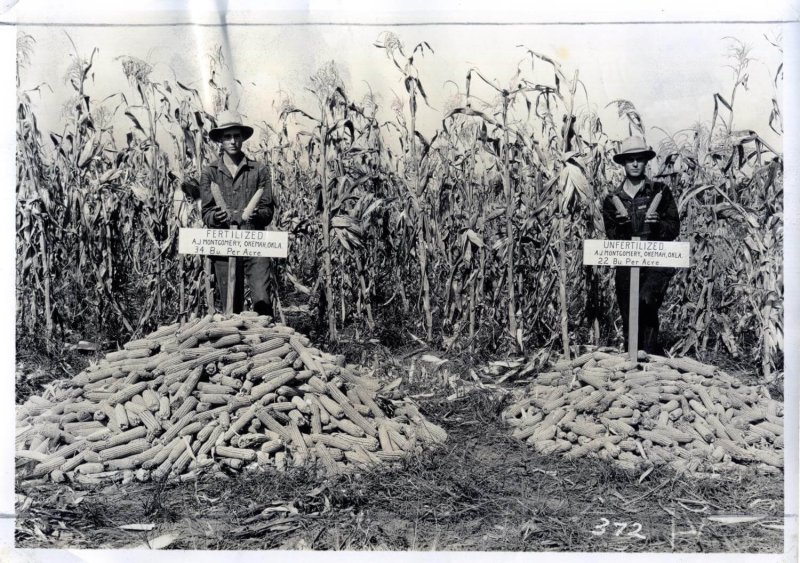
Fertilized versus unfertilized corn yields, 1932. Credit: Edd Roberts Collection

Amid deepening concern over the damage agrochemicals cause to the environment and public health, organic farming is widely touted as a green and sustainable solution. The experiences of Sri Lanka and Switzerland show the reality is far more complicated.

Follow the latest news and policy debates on sustainable agriculture, biomedicine, and other ‘disruptive’ innovations. Subscribe to our newsletter.

[Sri Lankan] President Rajapaksa’s disastrous “go-organic” policy failed mainly because of poor implementation and the lack of an adequate transition period, even though it initially had the support of farmers — Verité Research’s survey showed almost two-thirds of the farmers polled said they supported the government’s vision for organic agriculture, but almost 80% of those in favour said such a shift would require more than one year.

In Switzerland, 15% of farmers have already gone organic and do not use chemical pesticides, according to the Federal Statistical Office. But the agriculture sector has pushed back against a more ambitious leap forward.

Last year, two controversial proposals — a “drinking water” initiative that involved scrapping subsidies to farmers who use pesticides, and an “anti-pesticide” initiative that sought an outright ban on synthetic pesticides — were put to a nationwide vote under the country’s unique direct democracy system. They were both rejected by 60% of those who voted, but had they succeeded, they would have made Switzerland an organic farming pioneer by becoming the first European country to ban products like synthetic weedkillers and fungicides.

That does not exclude the possibility that a country could go 100% organic. But it would require investment in areas beyond farming such as soil fertility, groundwater quality, biodiversity and pollinators. It would also require a commitment from consumers that goes beyond just paying a little extra for organic food.


This is an excerpt. Read the original post here

{{ reviewsTotal }}{{ options.labels.singularReviewCountLabel }}
{{ reviewsTotal }}{{ options.labels.pluralReviewCountLabel }}
{{ options.labels.newReviewButton }}
{{ userData.canReview.message }}

Related Articles

Infographic: Global regulatory and health research agencies on whether glyphosate causes cancer

Infographic: Global regulatory and health research agencies on whether glyphosate causes cancer

Does glyphosate—the world's most heavily-used herbicide—pose serious harm to humans? Is it carcinogenic? Those issues are of both legal and ...

Most Popular

d-b
Blocked arteries, kidney stones, nausea, constipation, fatigue: Long list of health problems caused by too much vitamin D 
Screenshot-PM-24
Viewpoint: The herbicide glyphosate isn’t perfect. Banning it would be far worse.
79d03212-2508-45d0-b427-8e9743ff6432
Viewpoint: The Casey Means hustle—Wellness woo opportunism dressed up as medical wisdom
ChatGPT-Image-Mar-27-2026-11_27_05-AM
The myths of “process”: What science says about the “dangers’ of synthetic products and ultra-processed foods
ChatGPT-Image-Apr-30-2026-12_21_05-PM-2
The tech billionaires behind the immortality movement
ChatGPT-Image-Apr-30-2026-05_00_48-PM
Wellness grifter physician turned wellness influencer out as surgeon general nominee

Sorry. No data so far.

glp menu logo outlined

Get news on human & agricultural genetics and biotechnology delivered to your inbox.