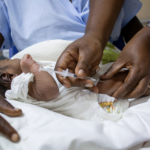
The world is struggling. The United Nations (UN) has calculated that the number of severely food insecure people had doubled in just two years.
There are now 276 million food-insecure people, with more than half a million experiencing famine. This is an increase of more than 500 per cent since 2016.
Calls to re-evaluate New Zealand’s stance on GE [gene editing] have also increased over recent years, with what some scientists hope is a game-changing report from the Productivity Commission appearing this year.
New Zealand firms: Reaching for the frontier, stated that a periodic review of regulatory regimes was good practice, “to ensure they remained fit for purpose, accommodated new technologies and did not stifle innovation”.
The Climate Change Commission made a similar recommendation in advice to government, and a new paper by fellow of the Royal Society of New Zealand, Dr John Caradus reviews the literature on science and perception, concluding that New Zealand should be “regulating the benefit-risk issues associated with the end-product of genetic modification rather than the processes used in their development”.


…
The bottom line must be the words from the UN – if we do not feed people, we feed conflict.
Scientists are doing everything they can to assist with improving food security and need all the tools available to assist.