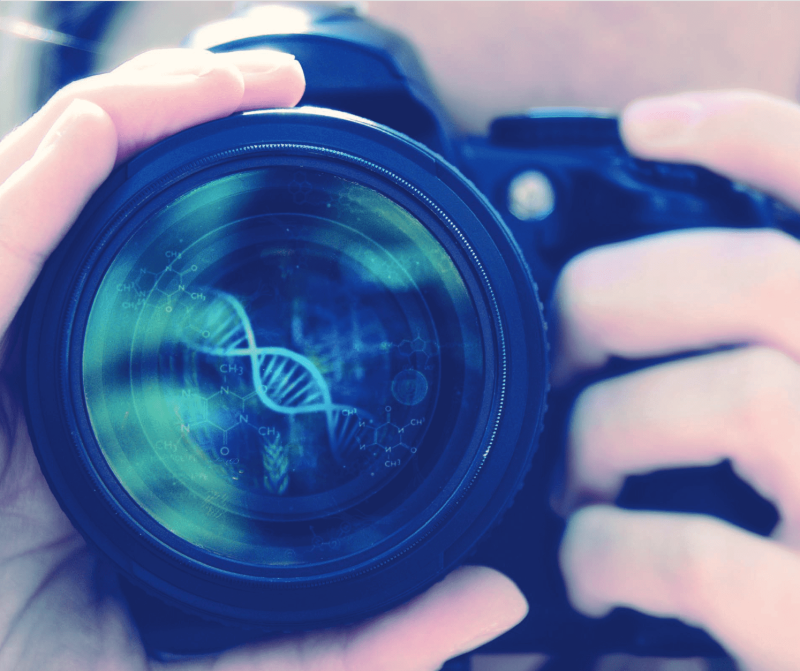
‘DNA paparazzi’? Why Madonna is so concerned by nonconsensual, surreptitious collection and possible testing of our genes

Credit: Georgia State University

Every so often stories of genetic theft, or extreme precautions taken to avoid it, make headline news. So it was with a picture of French President Emmanuel Macron and Russian President Vladimir Putin sitting at opposite ends of a very long table after Macron declined to take a Russian PCR COVID-19 test. Many speculated that Macron refused due to security concerns that the Russians would take and use his DNA for nefarious purposes. 

Mis- and disinformation are distorting science and public policy. Subscribe to our Daily and Weekly Digests for incisive coverage of ‘disruptive’ innovations in AI, agricultural biotechnology, food, chemicals, nuclear energy, vaccines, and other disruptive innovations.

While these concerns may seem relatively new, pop star celebrity Madonna has been raising alarm bells about the potential for nonconsensual, surreptitious collection and testing of DNA for over a decade. She has hired cleaning crews to sterilize her dressing rooms after concerts and requires her own new toilet seats at each stop of her tours.

At first, Madonna was ridiculed for having DNA paranoia. But as more advanced, faster and cheaper genetic technologies have reached the consumer realm, these concerns seem not only reasonable, but justified.

…

Under existing laws and the current state of genetic technology, most people don’t need to worry about surreptitious collection and use of genetic material in the way that public figures might. But genetic paparazzi cases will likely play an important role in determining what rights everyone else will or will not have.


This is an excerpt. Read the original post here

Related Articles

Infographic: Global regulatory and health research agencies on whether glyphosate causes cancer

Infographic: Global regulatory and health research agencies on whether glyphosate causes cancer

Does glyphosate—the world's most heavily-used herbicide—pose serious harm to humans? Is it carcinogenic? Those issues are of both legal and ...

Most Popular

Screenshot-2026-10-01-at-10.52.08-AM
Non-browning CRISPR gene-edited bananas move one step closer to British markets
AI-Force-Leadership-Portrait
Jay Clayton controversy: The divisive history of Trump’s newly-appointed AI czar
Screenshot-2026-09-22-at-10.54.12-AM
‘They misunderstand science’: Research attempting to tie autism to changes in the gut microbiome comes under fire
ChatGPT-Image-Mar-10-2026-01_39_01-PM
Viewpoint—“Miracle molecule” debunked: Why acemannan supplements don’t work
Elderly-Speaker-at-MAHA-Institute
At anti-vaccine MAHA conference, RFK Jr. pledges to unify federal health information and combat vaccine safety ‘misinformation’
ChatGPT-Image-Sep-21-2026-11_21_39-AM
Viewpoint: Food cults: Online ‘nutrition communities’ can pose unique dangers
ChatGPT-Image-Sep-10-2026-10_36_07-AM
Viewpoint: Even lousy scientific articles can shield authors when they hype dubious health claims and products
Screenshot 2026-10-01 at 12.30
Combating ‘narrative distortion’: Will pharma companies step up to challenge health misinformation?
ChatGPT-Image-Sep-21-2026-03_15_09-PM
Viewpoint: Chipotle-inspired lesson: 10,000 sick customers suggest that processed foods can be safer than fresh ones
generated-1790707585414
Facts & Fallacies podcast: America's health care system is broken. A doctor explains how to fix it
glp menu logo outlined

Get news on human & agricultural genetics and biotechnology delivered to your inbox.