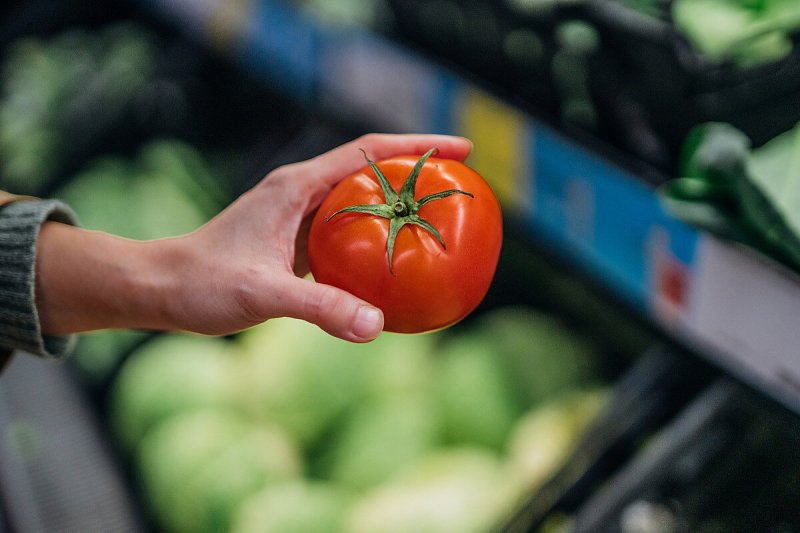
Tomatoes (yes, they’re technically a fruit, though the U.S. government considers them a vegetable for “nutritional and culinary purposes”) can be genetically-engineered to contain vitamin D, researchers recently reported in Nature Plants.
The modification could offer a new way to address vitamin D deficiency, a “global health problem” that affects about 1 billion people around the planet, they noted.
The gene-edited tomatoes could also create a plant-based source of the vitamin for vegetarians and vegans, whether eaten fresh, sun-dried or transformed into supplements.
“This is an excellent use of gene-editing technology,” [Madelyn Fernstrom] told TODAY. But there’s a “great bias” in the U.S. and Western Europe against gene-splicing technology, though people living outside those regions welcome it to help grow food in bad climates and improve crop yields, Fernstrom said.

“As a worldwide option, where supplements are not readily available, this is an excellent population solution. I don’t think it would be embraced in the USA — nor does it need to be. (There are) easier ways to get vitamin D,” she noted.