Viewpoint: ‘Misuse, theft and discrimination’ — Here’s why it’s essential to keep your DNA data safe and private

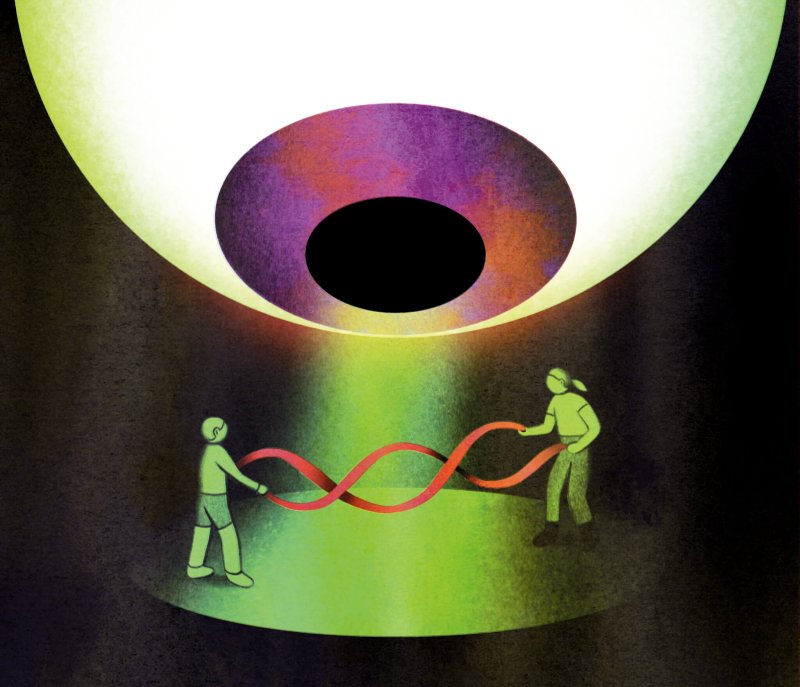
Credit: Angie Wang
Credit: Angie Wang

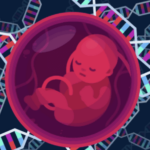
Incredibly, by 2025, 60 million people in the United States alone will have had their DNA sequenced and analysed for healthcare purposes.

But clinicians and researchers, including in a recent article in the New Zealand Medical Journal, have raised concerns about the potential for the misuse, theft, or discriminatory use of DNA data obtained from genomic testing, including potential discrimination by health and life insurance companies.

Follow the latest news and policy debates on sustainable agriculture, biomedicine, and other ‘disruptive’ innovations. Subscribe to our newsletter.

Genomic data is fascinating in that it is very different to all other health data – it is persistent. Unlike cholesterol level, blood pressure or body fat percentage, it almost never changes.

This means it can provide long-lasting, predictive information, not only about us but also about our relatives.

… 

With this new access to our DNA, or genomic data, comes risk. Interested parties outside the clinical setting can use this data, which is unique for every individual.

Insurers, employers, advertisers and identity thieves are amongst those who seek our genomic information.

As we advance into a digital frontier where disease risk may be identified and managed or eliminated at the earliest possible stage – often even before a person is symptomatic – there is an urgent need for security technology to protect this more intimate information about each of us.


This is an excerpt. Read the original post here

{{ reviewsTotal }}{{ options.labels.singularReviewCountLabel }}
{{ reviewsTotal }}{{ options.labels.pluralReviewCountLabel }}
{{ options.labels.newReviewButton }}
{{ userData.canReview.message }}

Related Articles

Infographic: Global regulatory and health research agencies on whether glyphosate causes cancer

Infographic: Global regulatory and health research agencies on whether glyphosate causes cancer

Does glyphosate—the world's most heavily-used herbicide—pose serious harm to humans? Is it carcinogenic? Those issues are of both legal and ...

Most Popular

Screenshot-2026-03-13-at-12.14.04-PM
The FDA wants to make many popular prescription drugs OTC—a great idea. Here’s why it’s unlikely to happen
Screenshot 2026-05-06 at 2.56
Singularity crisis ahead? Can super babies save us from rogue AI geniuses?
Screenshot-2026-04-20-at-2.26.27-PM
Viewpoint — Food-fear world: The latest activist scientists campaign: Cancer-causing additives
Screenshot-PM-24
Viewpoint: The herbicide glyphosate isn’t perfect. Banning it would be far worse.
images
The never-ending GMO debate: Pros and cons
Screenshot-2026-05-01-at-11.56.24-AM
‘Science moves forward when people are willing to think differently’: Memories of DNA maverick Craig Venter
Screenshot-2026-04-03-at-11.15.51-AM
Paraben panic: How a flawed study, media hype, and chemophobia convinced the public of the danger of one of the safest classes of preservatives
Screenshot-2026-04-30-at-2.19.37-PM
5 myths about summer dehydration that could damage your health — or even kill you
79d03212-2508-45d0-b427-8e9743ff6432
Viewpoint: The Casey Means hustle—Wellness woo opportunism dressed up as medical wisdom
ChatGPT-Image-May-1-2026-02_20_13-PM
How RFK, Jr.’s false vaccine claims are holding up $600 million to fight diseases in poor countries
glp menu logo outlined

Get news on human & agricultural genetics and biotechnology delivered to your inbox.