Can we learn? How Israel — a world leader in handling COVID — is ramping up to deal with monkeypox

Credit: ABC
Credit: ABC

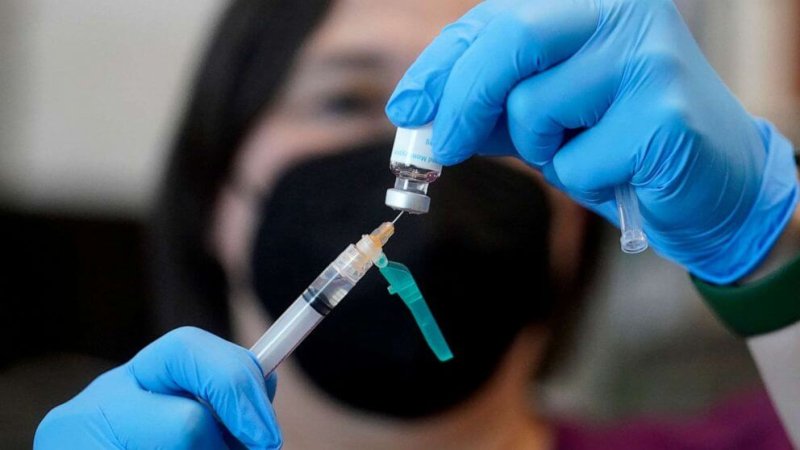
Thousands of tiny vials of a rare and valuable vaccine are about to be sent to health clinics across Israel for the country’s first blitz to control an outbreak of monkeypox. 

Despite having recorded only 125 cases of the disease, Israeli health authorities have taken the unusual approach of securing 10,000 monkeypox vaccines for its residents. 

They have also expressed a desire to get more supplies in the future. 

Gal Wagner — an LGBT medical specialist in Tel Aviv — said he had been “flooded with requests” for the vaccine since the World Health Organization (WHO) declared monkeypox a global emergency, the agency’s highest level of warning.

“People are afraid of the virus and they really want to protect themselves,” Dr Wagner said.

Follow the latest news and policy debates on sustainable agriculture, biomedicine, and other ‘disruptive’ innovations. Subscribe to our newsletter.

Dr Wagner’s clinic will be among the first to offer the vaccine to high-risk patients in Israel, including men born after 1980 who have HIV, men on HIV pre-exposure meds or men who have contracted a sexually transmitted disease this year.

Going hard and fast on vaccination is a technique Israel relied upon when COVID-19 emerged.

Early on in the pandemic, the government cut a deal with Pfizer to get supplies of the vaccine in exchange for giving the pharmaceutical company access to Israeli’s personal health data. 

When vaccines became widely available in early 2021, the country was credited with having the world’s fastest rollout.


This is an excerpt. Read the original post here. 

{{ reviewsTotal }}{{ options.labels.singularReviewCountLabel }}
{{ reviewsTotal }}{{ options.labels.pluralReviewCountLabel }}
{{ options.labels.newReviewButton }}
{{ userData.canReview.message }}

Related Articles

Infographic: Global regulatory and health research agencies on whether glyphosate causes cancer

Infographic: Global regulatory and health research agencies on whether glyphosate causes cancer

Does glyphosate—the world's most heavily-used herbicide—pose serious harm to humans? Is it carcinogenic? Those issues are of both legal and ...

Most Popular

Screenshot-2026-04-13-at-1.39.26-PM
Viewpoint: ‘Safer for children?’ Stonyfield yogurt under fire for deceptive organic marketing
Screenshot-2026-04-22-at-10.46.29-AM
Viewpoint: How to counter science disinformation? Science journalist offers 12 practical tips
ChatGPT-Image-May-7-2026-12_32_36-PM
Viewpoint: The state of U.S. vaccine policy? Dismal nationally, but some states are stepping up.
ChatGPT-Image-May-7-2026-12_16_37-PM-2
Viewpoint: Are cancer rates ‘skyrocketing’ as RFK, Jr. and MAHA claim? The evidence says mostly the opposite
ChatGPT-Image-May-12-2026-08_39_41-PM
GLP podcast: Big Pharma, Big Ag, Big Food—health harming industries or life-saving innovators?
Screenshot-2026-04-23-at-11.00.36-AM
Regulators' dilemma: Thalidomide, Metformin, and the cost of getting drug approvals wrong
Picture1-1
Cooling the planet with balloons: Could a geoengineering gamble slow global warming?
Picture1-14
When superbugs threaten vulnerable children: Can AI help solve antibiotic resistance?
bigstock opioids on chalkboard with rol
GLP podcast: 'Safe injection sites': enabling drug addiction or saving lives?
ChatGPT-Image-May-7-2026-01_23_27-PM-2
Viewpoint: Will AI democratize personalized cancer treatment or fuel medical misinformation?
Defense_Secretary_Ash_Carter_tours_the_Microsoft_Cybercrime_Center_in_Seattle_March_3_2016
How criminals are using AI to target social media users and steal their money and confidential data
RFKjr-Tech-Vax-Misinfo
As U.S. officials spread medical misinformation, scientists fact check online
glp menu logo outlined

Get news on human & agricultural genetics and biotechnology delivered to your inbox.