Gene-edited rice can naturally fix nitrogen in the soil, vastly reducing the need for chemical fertilizers

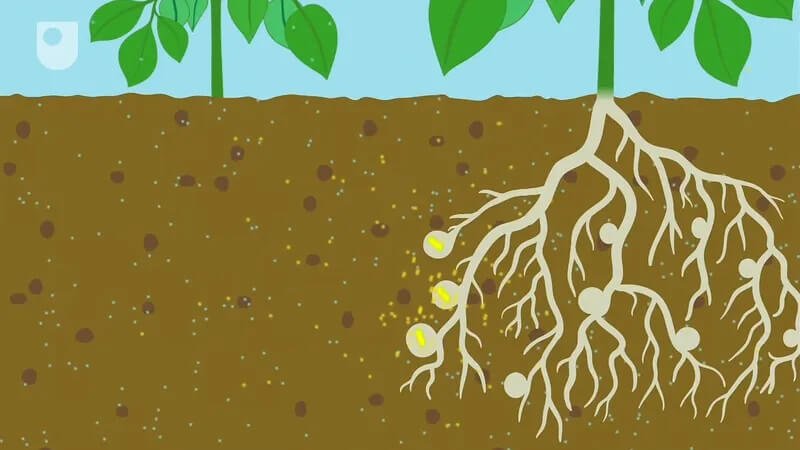
The price of artificial fertilizers has skyrocketed, especially in the past year. Improving nitrogen fixation can make farming more sustainable. Credit: Open University via Britannica

Renowned botanist Eduardo Blumwald, professor at the University of California, and his team have found a new way to give cereal crops the nitrogen they need to grow. This invention can reduce nitrogen pollution in grain cultivation. Fertilizers and animal manure, which are normally used, are bad for the groundwater, cause more greenhouse gases and are ultimately bad for public health.

Nitrogen is an essential component for plant growth and farms rely on fertilizers to maximize their yield. But much of the manure used in the fields is lost. It disappears into the soil and groundwater without the plant absorbing it. Blumwald’s team, whose findings have been published in the journal Plant Biotechnology, may have created an efficient and sustainable alternative.

Follow the latest news and policy debates on sustainable agriculture, biomedicine, and other ‘disruptive’ innovations. Subscribe to our newsletter.

“Plants are fantastic chemical factories,” says the botanist. “With these genetically modified grain crops, we can create a sustainable alternative. A new way of producing grain, without the large amounts of fertilizer that are normally involved in cultivation.”

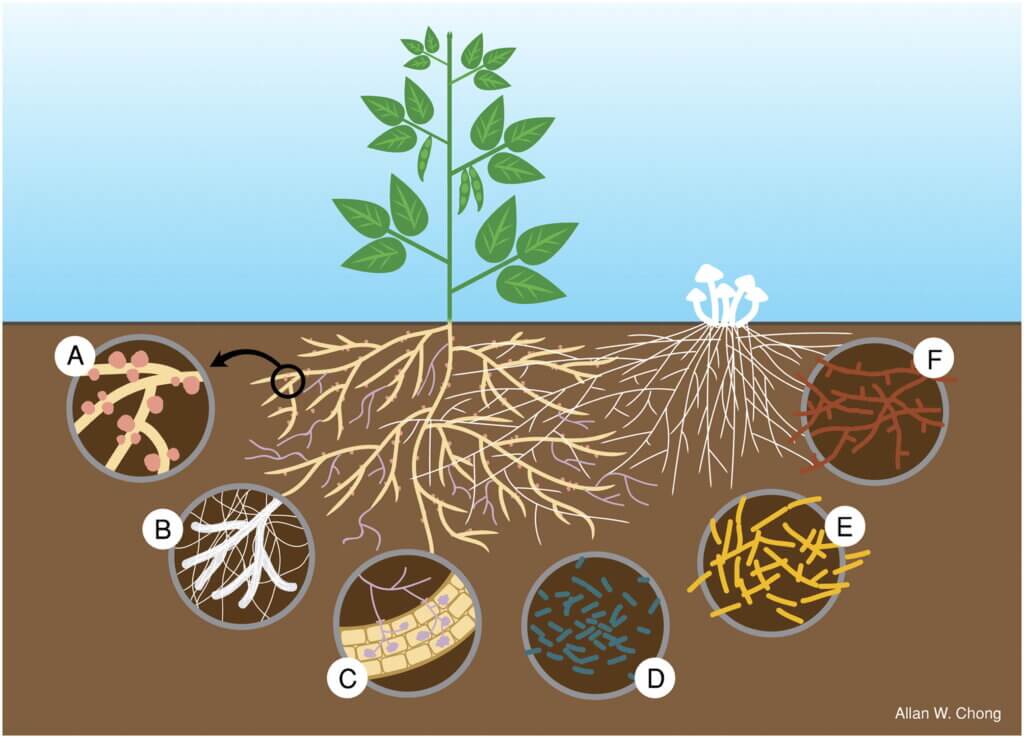
Diverse microbiota inhabit soil-plant systems. Credit: Allan Chong

[Editor’s note: This article has been translated from Dutch and edited for clarity.]

This is an excerpt. Read the original post here

{{ reviewsTotal }}{{ options.labels.singularReviewCountLabel }}
{{ reviewsTotal }}{{ options.labels.pluralReviewCountLabel }}
{{ options.labels.newReviewButton }}
{{ userData.canReview.message }}

Related Articles

Infographic: Global regulatory and health research agencies on whether glyphosate causes cancer

Infographic: Global regulatory and health research agencies on whether glyphosate causes cancer

Does glyphosate—the world's most heavily-used herbicide—pose serious harm to humans? Is it carcinogenic? Those issues are of both legal and ...

Most Popular

ChatGPT-Image-May-7-2026-12_16_37-PM-2
Viewpoint: Are cancer rates ‘skyrocketing’ as RFK, Jr. and MAHA claims? The evidence says mostly the opposite
Screenshot-2026-04-23-at-11.00.36-AM
Regulators' dilemma: Thalidomide, Metformin, and the cost of getting drug approvals wrong
ChatGPT-Image-May-13-2026-11_56_08-AM
After slashing global health aid by $19 Billion, Trump moves to tap $2.1 billion more—to cover shutdown costs
Picture1-5
Science Disinformation Gap: The transatlantic battle over social media and censorship
ChatGPT-Image-May-12-2026-08_39_41-PM
GLP podcast: Big Pharma, Big Ag, Big Food—health harming industries or life-saving innovators?
Screenshot-2026-04-22-at-10.46.29-AM
Viewpoint: How to counter science disinformation? Science journalist offers 12 practical tips
png-pill-omega-Supp-fish-oil
Millions take omega-3 fish oil for brain health. New research suggests it may do the opposite.
Screenshot-2026-02-20-at-10.48.04-AM
Deepfakes raise profound ethical questions in science
Picture1-1
Cooling the planet with balloons: Could a geoengineering gamble slow global warming?
ChatGPT-Image-May-12-2026-01_41_42-PM
Viewpoint: ‘Measles is a canary in the healthcare coal mine’: Challenging RFK, Jr.’s scare campaign
glp menu logo outlined

Get news on human & agricultural genetics and biotechnology delivered to your inbox.