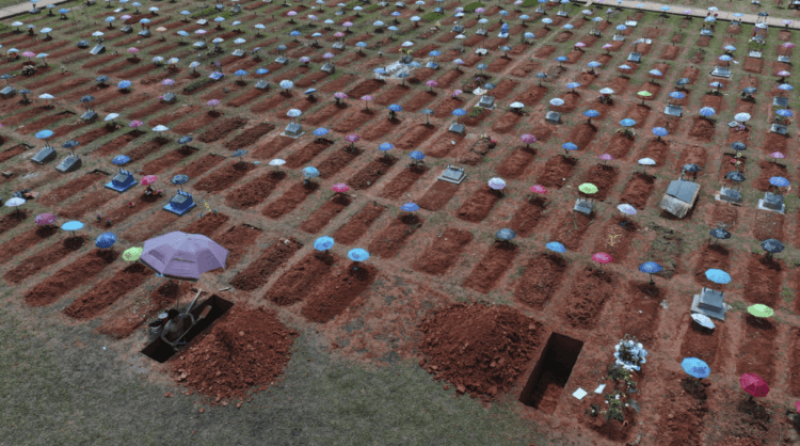

More than 300 people are still dying each day on average from covid-19, most of them 65 or older, according to data from the Centers for Disease Control and Prevention. While that’s much lower than the 2,000 daily toll at the peak of the delta wave, it is still roughly two to three times the rate at which people die of the flu — renewing debate about what is an “acceptable loss.”
And while older Americans have consistently been the worst hit during the crisis, as evident in the scores of early nursing home deaths, that trend has become more pronounced. Today, nearly 9 in 10 covid deaths are in people 65 or older — the highest rate ever, according to a Washington Post analysis of CDC data.
Some epidemiologists and demographers predict the trend of older, sicker and poorer people dying at disproportionate rates will continue, raising hard questions about the trade-offs Americans are making in pursuit of normalcy — and at whose expense. The situation mirrors the way some other infectious diseases, such as malaria and polio, rage in the developing world while they are largely ignored elsewhere.





S. Matthew Liao, a professor of bioethics, philosophy and public health at New York University, argued that it is possible to keep the economy open while still aggressively pursuing a national booster campaign and requiring masks in health-care settings and nursing homes, for example. But U.S. leaders have chosen not to do so, he said. That worries him.