
Precision agriculture, satellites and drones critical to feed 800 million food-insecure people

Credit: Analytics Vidhya

The Covid-19 pandemic has highlighted the fragilities in our agri-food systems and the inequalities in our societies, driving further increases in world hunger and severe food insecurity. Up to 828 million people were affected by hunger in 2021, an increase of 150 million from 2019.

Mis- and disinformation are distorting science and public policy. Subscribe to our Daily and Weekly Digests for incisive coverage of ‘disruptive’ innovations in AI, agricultural biotechnology, food, chemicals, nuclear energy, vaccines, and other disruptive innovations.

The world needs to produce more with less, with more quantity, higher quality and more food diversity, but with less inputs and less impacts on the environment. The only solution is science and innovation, enabling policies and increased investment.

We are witnessing a revolution in science and technology that is moving at an incredible speed. For example, genetic improvement of crops and livestock, innovations in breeding methods and gene-editing technologies offer significant potential to develop crop tolerance to biotic and abiotic stresses, and resistance to pests and disease.

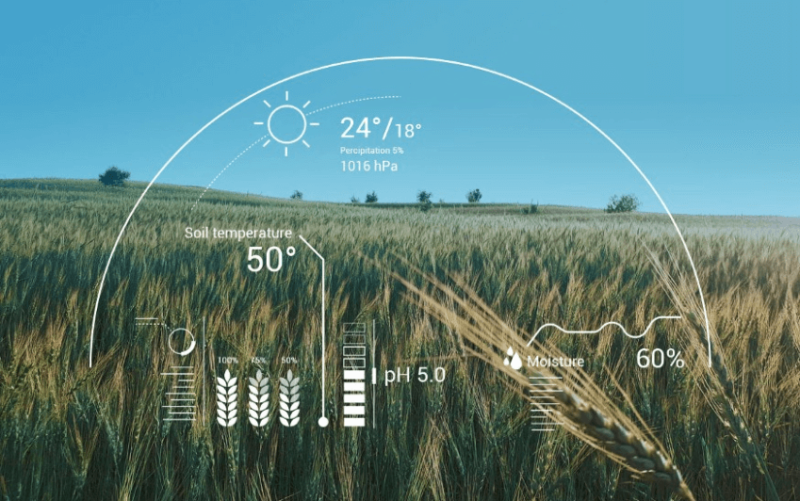
Precision agriculture covers a range of technologies that generate and analyse data to help farmers understand how much water and fertiliser they need and when. Using algorithms that combine information from satellite imagery, drone footage, weather forecasts and data from sensors in the soil, farmers can understand day by day and field by field how their crops are doing and what inputs they need and when.


This is an excerpt. Read the original post here

Related Articles

Infographic: Global regulatory and health research agencies on whether glyphosate causes cancer

Infographic: Global regulatory and health research agencies on whether glyphosate causes cancer

Does glyphosate—the world's most heavily-used herbicide—pose serious harm to humans? Is it carcinogenic? Those issues are of both legal and ...

Most Popular

Screenshot-2026-10-12-at-10.44.38-AM
Widely condemned as unethical, hepatitis B vaccine study funded by RFK Jr’s CDC gets a final greenlight
Open-Menthol-Cigarette-Pack
How the tobacco industry conspired with conservative activists to kill the Biden administration’s proposed ban on menthol cigarettes 
Cross and Syringe Standoff
Viewpoint: Hijacking Jesus: How anti-vaccine fanatics are exploiting religious exemptions and killing children
ChatGPT-Image-Mar-10-2026-01_39_01-PM
Viewpoint—“Miracle molecule” debunked: Why acemannan supplements don’t work
Screenshot-2026-10-11-at-10.24.21-AM
Viewpoint: RFK Jr.’s new CDC head Erica Schwartz greenlights hepatitis B vaccine study critics call “unethical and designed to cast doubts on its safety”
Caution-Taped-Fresh-Produce-Aisle
Should we be afraid of our food?
Screenshot-2026-10-12-at-12.18.57-PM
5 deaths, 1,000 reported cases: These horrific numbers underestimate the consequences of the anti-vax movement
Profile and Vaccination Portraits
Convinced COVID shots cause widespread harm, Kennedy plans federal initiative to incentivize doctors to report alleged injuries
Screenshot 2026-10-12 at 12.25
Tearful onions? CRISPR has a solution for that
Personalized-Cancer-mRNA-Vaccine-Vial
Personalized mRNA vaccines are poised to revolutionize cancer treatments. Here are the barriers.
Screenshot-2026-10-05-at-11.57.44-AM
Scaremongering or legitimate safety concerns? The political dogfight over America’s food safety system
Deepfake Democracy Media Mosaic
31 states have passed a patchwork of laws to limit election deepfake commercials. They’re not working very well.
glp menu logo outlined

Get news on human & agricultural genetics and biotechnology delivered to your inbox.




















