Viewpoint: Not a single peer-reviewed study supports the EU’s politically-induced pesticide bans — Why Africa should avoid the disastrous restrictions imposed and then rescinded by Sri Lanka

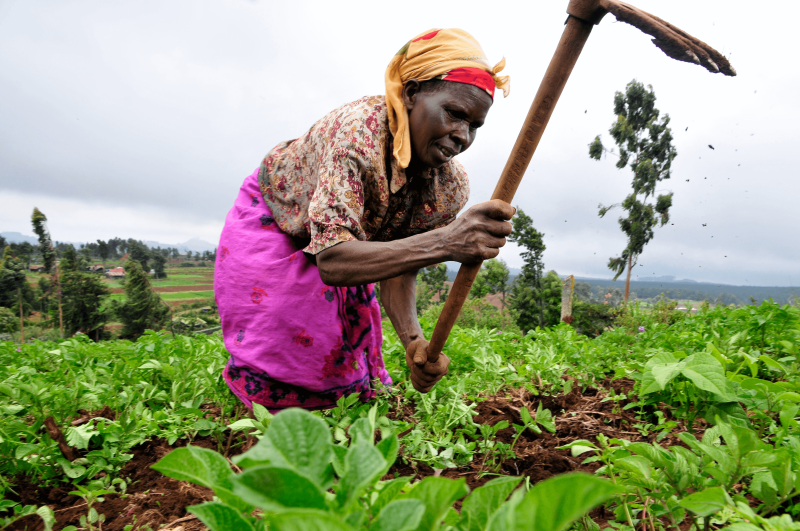
Credit: Neil Palmer Gallery

NGOs funded by Germany’s Green Party distribute rounds of videos starring local celebrities holding up tomatoes and sukuma wiki stating that they are poisonous.

The poison, they claim, comes from the pest control products used to produce them.

The same type of blanket campaigning against pesticides has already worked in Europe, which, like the rest of the world, is used to assess pest control products for their safety, scientifically.

Once the European public had been told so many times that all pesticides were poisonous, it was just too politically damaging to keep approving pesticides.

The European Union (EU) banned them without any evidence of risk, just in case they might, one day, be found to be harmful, calling it the ‘precautionary principle’.

Mis- and disinformation are distorting science and public policy. Subscribe to our Daily and Weekly Digests for incisive coverage of ‘disruptive’ innovations in AI, agricultural biotechnology, food, chemicals, nuclear energy, vaccines, and other disruptive innovations.

Indeed, as the real data grapples with the zero data, the most recent so-called Pesticides Atlas from the anti-pesticide campaigning groups has no citations at all, not a single scientific study supporting its claims.

However, this journey of fake claims is far more damaging in Kenya, than in Europe, as climate change exponentially increases the pests destroying our foods.

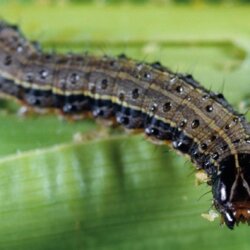
Without pest control, we will commit millions to starvation. The FAO estimated stopping pesticides would cut our food output by 40 per cent, but, last year, the ban on pesticides, in Sri Lanka, was much more catastrophic.

Farmers saw immediate yields fall at an average of 54 per cent, while the fall in rice, maize, tea and vegetable yields were as high as 95 per cent.

This pest feast triggered a food crisis and an economic crisis, and within months, the government was forced to reverse the ban.


This is an excerpt. Read the original post here

Related Articles

Infographic: Global regulatory and health research agencies on whether glyphosate causes cancer

Infographic: Global regulatory and health research agencies on whether glyphosate causes cancer

Does glyphosate—the world's most heavily-used herbicide—pose serious harm to humans? Is it carcinogenic? Those issues are of both legal and ...

Most Popular

ChatGPT-Image-Sep-17-2026-12_28_43-PM
Vitamin D, omega-3 fish oil and glucosamine supplements could cause brain damage 
ChatGPT-Image-Mar-10-2026-01_39_01-PM
Viewpoint—“Miracle molecule” debunked: Why acemannan supplements don’t work
ChatGPT-Image-Sep-17-2026-10_17_15-AM
Viewpoint: Why are the less intelligent more likely to be conservative—and smarter people more socially liberal?
Screenshot-2026-09-10-at-12.20.19-PM
'Jet fuel didn't melt the steel': 9/11 conspiracy theories debunked
Screenshot-2026-08-12-at-11.31.46-AM
AI is helping develop new vaccines
Screenshot-2026-09-16-at-12.07.47-PM
The heated debate over trans athletes in the WNBA
Screenshot-2026-09-17-at-10.24.54-AM
Viewpoint: Dubious environmental fears: Why the AI buildout is critical to America’s ecological future
ChatGPT-Image-Sep-9-2026-02_48_24-PM
Viewpoint: Trump-RFK Jr. report on “Gender Ideology & Left-wing Ideology’ targets LGBTQ community—and science
Screenshot 2026-09-11 at 12.39
Child-monitoring apps: When the cure is worse than the harm—and how the technology could be tweaked
Screenshot-2026-09-10-at-11.50.46-AM
Did COVID vaccines kill 2,500 service members? RFK Jr. hires an investigator who compares vaccine promoters to Nazi doctors
glp menu logo outlined

Get news on human & agricultural genetics and biotechnology delivered to your inbox.