Food waste revolution? How upcycled garbage can help build a more sustainable future

Credit: Taz/Flickr CC BY 2.0

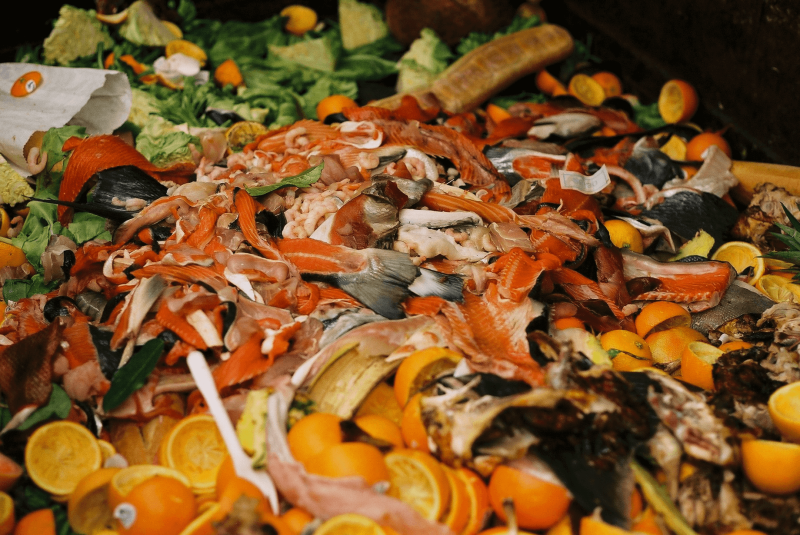
Edible by-products from food manufacturing are a potential resource that can be tapped to sustainably increase food supply, reduce obesity and reduce food waste. Two such by-products are okara, the insoluble remains of soybeans from the production of soy milk and beancurd, and brewerโ€™s spent grain, consisting of residual barley pulp from the beer industry.

Follow the latest news and policy debates on sustainable agriculture, biomedicine, and other ‘disruptive’ innovations. Subscribe to our newsletter.

In a study published inย LWT โ€“ Food Science and Technologyย in December 2021, okara fermented with a mixed culture of the fungusย Aspergillus oryzaeย and the bacteriumย Bacillus subtilis, commonly used to make soy sauce, was found to have the best total dietary fibre profile and highest content of phenolics โ€“ compounds with antioxidant properties.

Likewise, fermented spent grain can be made into a protein-rich food emulsifier. And, unlike commercial food emulsifiers from egg yolk, this novel emulsifier is derived entirely from plants.

In aย studyย led by Professor William Chen, Director of NTUโ€™s Food Science and Technology Programme, the product was made by extracting and drying proteins from the fermented grain.

The resulting plant-based emulsifier can replace dairy and eggs in condiments such as mayonnaise, salad dressings and whipped cream.


This is an excerpt. Read the original post here

{{ reviewsTotal }}{{ options.labels.singularReviewCountLabel }}
{{ reviewsTotal }}{{ options.labels.pluralReviewCountLabel }}
{{ options.labels.newReviewButton }}
{{ userData.canReview.message }}

Related Articles

Infographic: Global regulatory and health research agencies on whether glyphosate causes cancer

Infographic: Global regulatory and health research agencies on whether glyphosate causes cancer

Does glyphosateโ€”the world's most heavily-used herbicideโ€”pose serious harm to humans? Is it carcinogenic? Those issues are of both legal and ...

Most Popular

d-b
Blocked arteries, kidney stones, nausea, constipation, fatigue: Long list of health problems caused by too much vitamin Dย 
Screenshot-PM-24
Viewpoint: The herbicide glyphosate isnโ€™t perfect. Banning it would be far worse.
ChatGPT-Image-Apr-30-2026-12_21_05-PM-2
The tech billionaires behind the immortality movement
ChatGPT-Image-Mar-27-2026-11_27_05-AM
The myths of โ€œprocessโ€: What science says about the โ€œdangersโ€™ of synthetic products and ultra-processed foods
ChatGPT-Image-Apr-30-2026-05_00_48-PM
Wellness grifter physician turned wellness influencer out as surgeon general nominee

Sorry. No data so far.

glp menu logo outlined

Get news on human & agricultural genetics and biotechnology delivered to your inbox.