Viewpoint: ‘Chemical alarmism’ — Scientist builds case that banning ‘forever chemicals’ PFOS and PFOAs could cause more harm than good

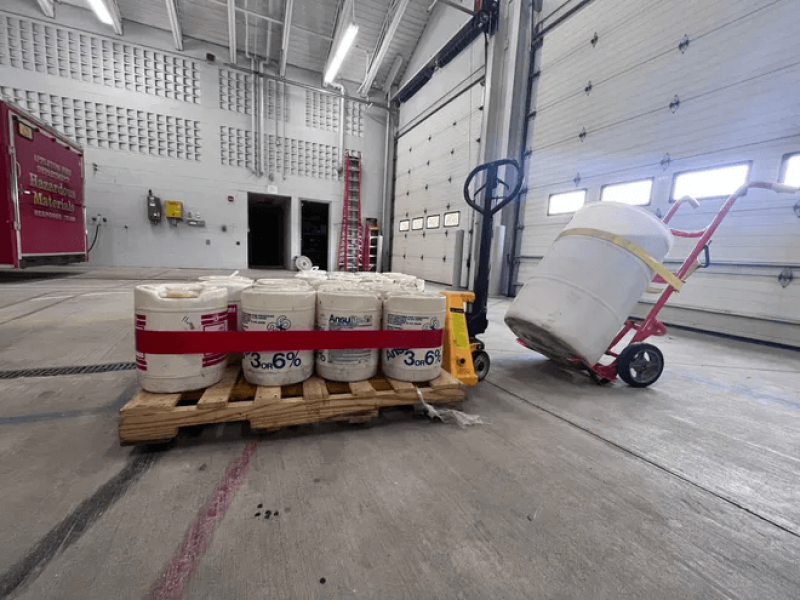
Containers of firefighting foam. Credit: Laura Schulte/Milwaukee Journal Sentinel

PFOA and PFOS were used early on to solve a problem in protecting human life. The problem? In 1967, a fire occurred aboard the USS Forrestal during combat operations. Firefighting foams used on the U.S. ships at the time were made from proteins and were ineffective. As a result, 134 sailors died and 161 were injured. PFOA/PFOS was later put into the foam with remarkably protective results.

Follow the latest news and policy debates on sustainable agriculture, biomedicine, and other ‘disruptive’ innovations. Subscribe to our newsletter.

Yes, PFOA/PFOS foams are very good at putting out fires and have been used extensively in the past. Unfortunately, at present, there is no alternative to fluorinated firefighting foams that maintains the superior performance characteristics as the current versions.

In Maine, organic farmers are being sued for levels of PFOA and related chemicals in their soils. Underwear manufacturers are being sued for PFOA and related chemicals in their products. The number of lawsuits is voluminous and in many areas. Where will this all end? I’m afraid it’s not going to because we have such widespread, low-level contamination. The question we need to consider before spending billions of dollars on litigation is whether this low-level contamination is a health risk, and for this we need to get the correct safe dose, as mentioned above.


This is an excerpt., Read the original post here

{{ reviewsTotal }}{{ options.labels.singularReviewCountLabel }}
{{ reviewsTotal }}{{ options.labels.pluralReviewCountLabel }}
{{ options.labels.newReviewButton }}
{{ userData.canReview.message }}

Related Articles

Infographic: Global regulatory and health research agencies on whether glyphosate causes cancer

Infographic: Global regulatory and health research agencies on whether glyphosate causes cancer

Does glyphosate—the world's most heavily-used herbicide—pose serious harm to humans? Is it carcinogenic? Those issues are of both legal and ...

Most Popular

ChatGPT-Image-Apr-20-2026-11_17_18-AM-2
10,000 scientists gone: Trump’s cuts create an unprecedented brain drain
ChatGPT-Image-Apr-20-2026-12_28_36-PM
Vaccine skepticism is a growing global problem
ChatGPT-Image-Apr-17-2026-03_30_52-PM
Food labels, decoded: What they really mean
Screenshot-2026-04-15-at-1.22.58-PM
Anti-biotechnology activists smear hybrid wheat breakthrough that could surge yields in poorer countries
Screenshot-2026-04-20-at-3.34.46-PM
Viewpoint: How do you sell evidence-based health and science in a world where facts don’t matter?
ChatGPT-Image-Apr-21-2026-11_30_48-AM
Stupid study of the month: Eating fresh fruits and vegetables can lead to cancer
Screenshot-2026-04-22-at-4.10.32-PM
Viewpoint — ‘Completely unethical’: RFK, Jr.’s medical ignorance deprives melanoma cancer-sufferers of a life-saving therapy
Screenshot-2026-04-12-135256
Bixonimania: The fake disease scam that AI swallowed whole
images
The never-ending GMO debate: Pros and cons
ChatGPT-Image-Mar-2-2026-03_22_54-PM
Why ‘support supplements’ for GLP-1 users are mostly a waste of money
glp menu logo outlined

Get news on human & agricultural genetics and biotechnology delivered to your inbox.