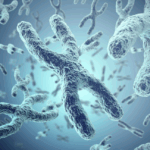
In the field of genetics, AI has been instrumental in accelerating the process of gene identification, understanding gene function, and predicting the impact of genetic mutations on an individual’s health.
One of the most promising applications of AI in genetics is in the area of precision medicine, which aims to tailor medical treatments to an individual’s unique genetic makeup. By analyzing an individual’s genomic data, AI algorithms can help identify the specific genetic mutations responsible for a particular disease, enabling the development of targeted therapies that are more effective and have fewer side effects than traditional treatments. For example, AI has been used to identify new drug targets for cancer, predict patient response to immunotherapy, and optimize the design of gene-editing technologies such as CRISPR.
AI is also playing a crucial role in the study of rare genetic diseases, which often have complex and poorly understood genetic causes. By analyzing the genomic data of individuals with these conditions, AI algorithms can help identify the underlying genetic mutations and provide insights into the biological pathways involved in the disease. This information can then be used to develop targeted therapies and improve the lives of patients suffering from these debilitating conditions.