The myth of the reptilian human brain is tenacious – but wrong

The myth of the reptilian human brain is tenacious – but wrong
Credit: Pixabay/ publicdomainpictures

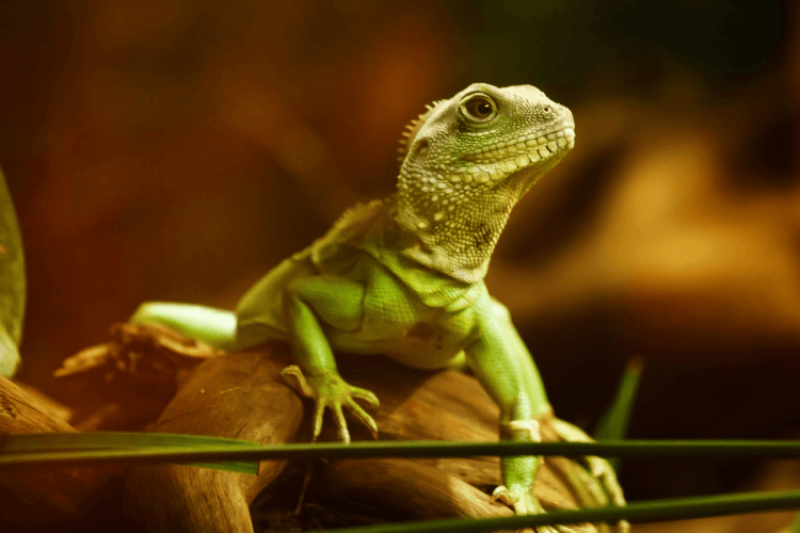
The reptilian brain is often blamed for our primitive instincts that can trigger fight, flight or freeze responses in us.

However, it is a myth that part of our brain originates from reptiles, says [psychologist] Christian Krog Tamnes.

Mis- and disinformation are distorting science and public policy. Subscribe to our Daily and Weekly Digests for incisive coverage of ‘disruptive’ innovations in AI, agricultural biotechnology, food, chemicals, nuclear energy, vaccines, and other disruptive innovations.

The concept of a reptilian brain is part of the myth of the triune brain, a theory that was conceived by the doctor Paul D. MacLean in the 1960s.

Carl Sagan popularized this way of thinking in his book The Dragons of Eden, published in 1977.

MacLean’s idea was that our brain has evolved layer by layer.

The reptilian brain was considered to be the innermost and oldest part. This primitive brain was responsible for instincts like hunger, survival and mating.

The emotion-controlled limbic system was said to wrap around the reptilian brain, and the surrounding outermost layer was the rational neo-cortex.

Two things are wrong about this theory, says Tamnes.

First, the brain did not develop this way through evolution.

Second, instincts, emotions and reason don’t exist in separate parts of the brain, he says.

Nevertheless, the myth is alive and well. Tamnes thinks that may be because brain research sounds so convincing.

“This theory provides a seemingly simple explanation for complex things, which is appealing,” he says.


This is an excerpt. Read the full article here

Related Articles

Infographic: Global regulatory and health research agencies on whether glyphosate causes cancer

Infographic: Global regulatory and health research agencies on whether glyphosate causes cancer

Does glyphosate—the world's most heavily-used herbicide—pose serious harm to humans? Is it carcinogenic? Those issues are of both legal and ...

Most Popular

ChatGPT-Image-Mar-10-2026-01_39_01-PM
Viewpoint—“Miracle molecule” debunked: Why acemannan supplements don’t work
Screenshot-2026-10-01-at-10.52.08-AM
Non-browning CRISPR gene-edited bananas move one step closer to British markets
Screenshot-2026-09-28-at-11.26.17-AM
Viewpoint: Wellness movement activists reposition nicotine from a killer addictive drug into a cure-all for brain ills
strand of dna genetics
No, GMO foods do not “damage genes, natural disposition and hormones, or decrease physical health and intelligence”
Radioactive-Americana-Collage-2
The kooky logic behind the raft of spurious cancer claims from Harvard’s T.H. Chan School of Public Health
Screenshot-2026-10-02-at-9.11.36-AM
The genetics of personality
Screenshot-2026-09-22-at-10.54.12-AM
‘They misunderstand science’: Research attempting to tie autism to changes in the gut microbiome comes under fire
AI-Force-Leadership-Portrait
Jay Clayton controversy: The divisive history of Trump’s newly-appointed AI czar
Screenshot-2026-10-02-at-8.56.38-AM
Trump finalizes Medicare drug price cuts, drawing Big Pharma’s fury and a legal challenge
Screenshot-2026-10-02-at-11.12.24-AM
‘Why do we keep falling for this stuff?’ America’s love affair with snake oil salesmen and scams
ChatGPT-Image-Sep-21-2026-11_21_39-AM
Viewpoint: Food cults: Online ‘nutrition communities’ can pose unique dangers
Screenshot 2026-10-01 at 12.30
Combating ‘narrative distortion’: Will pharma companies step up to challenge health misinformation?
glp menu logo outlined

Get news on human & agricultural genetics and biotechnology delivered to your inbox.