No, GMO foods do not “damage genes, natural disposition and hormones, or decrease physical health and intelligence”

strand of dna genetics

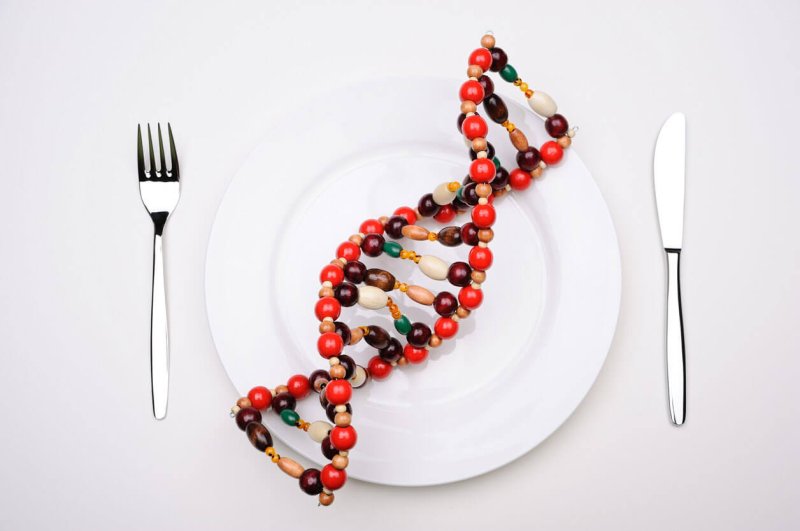
Social media posts spreading in Indonesia claim that genetically modified food can rewrite your DNA, and the science says otherwise. As AFP Fact Check reports, experts say genetic material in food gets digested like any other nutrient, and there’s no evidence it can make its way into the human genome.

A Facebook post from early September warned that GM food “has the potential to damage human genetics and natural disposition, affect hormones and decrease physical, mental and intelligence qualities.” Another tied GMOs to the long-debunked “depopulation” conspiracy. Similar posts on Facebook and Instagram left Indonesian users alarmed.

“We eat DNA all the time in our foods and it is not possible for these nutrients to alter the DNA in humans which are inherited from parents,” said Paul Teng Piang-Siong, a senior fellow on food security at Nanyang Technological University’s S. Rajaratnam School of International Studies.

Some DNA fragments can survive digestion, but that’s a long way from changing a person’s genes. “For a food-derived gene to modify the human genome, it would have to survive digestion, enter human cells, reach the nucleus, become integrated into the genome, and remain functional,” said Eko Hari Purnomo, a professor at Bogor Agricultural University (IPB). “There is no evidence that eating approved GMO foods causes such genomic integration in humans.”

Mis- and disinformation are distorting science and public policy. Subscribe to our Daily and Weekly Digests for incisive coverage of ‘disruptive’ innovations in AI, agricultural biotechnology, food, chemicals, nuclear energy, vaccines, and other disruptive innovations.

Regulators back this up. The World Health Organization notes that GM products on the international market have all passed national safety assessments. In Indonesia, the Food and Drug Monitoring Agency evaluates every GM food for safety and nutrition before it can be sold.


Wendy Hunt, academic chair of food science and nutrition at Murdoch University, pointed AFP to a 2026 review of the scientific evidence that found no causal links between eating GM food and allergies, toxicity or diseases such as cancer.

“Public education in this area is poor and mistrust is high,” said Colin Barrow, chair of biotechnology at Deakin University.


Read the original article here

Related Articles

Infographic: Global regulatory and health research agencies on whether glyphosate causes cancer

Infographic: Global regulatory and health research agencies on whether glyphosate causes cancer

Does glyphosate—the world's most heavily-used herbicide—pose serious harm to humans? Is it carcinogenic? Those issues are of both legal and ...

Most Popular

ChatGPT-Image-Mar-10-2026-01_39_01-PM
Viewpoint—“Miracle molecule” debunked: Why acemannan supplements don’t work
Screenshot-2026-10-01-at-10.52.08-AM
Non-browning CRISPR gene-edited bananas move one step closer to British markets
Screenshot-2026-09-28-at-11.26.17-AM
Viewpoint: Wellness movement activists reposition nicotine from a killer addictive drug into a cure-all for brain ills
strand of dna genetics
No, GMO foods do not “damage genes, natural disposition and hormones, or decrease physical health and intelligence”
Radioactive-Americana-Collage-2
The kooky logic behind the raft of spurious cancer claims from Harvard’s T.H. Chan School of Public Health
Screenshot-2026-10-02-at-9.11.36-AM
The genetics of personality
Screenshot-2026-09-22-at-10.54.12-AM
‘They misunderstand science’: Research attempting to tie autism to changes in the gut microbiome comes under fire
AI-Force-Leadership-Portrait
Jay Clayton controversy: The divisive history of Trump’s newly-appointed AI czar
Screenshot-2026-10-02-at-8.56.38-AM
Trump finalizes Medicare drug price cuts, drawing Big Pharma’s fury and a legal challenge
Screenshot-2026-10-02-at-11.12.24-AM
‘Why do we keep falling for this stuff?’ America’s love affair with snake oil salesmen and scams
ChatGPT-Image-Sep-21-2026-11_21_39-AM
Viewpoint: Food cults: Online ‘nutrition communities’ can pose unique dangers
Screenshot 2026-10-01 at 12.30
Combating ‘narrative distortion’: Will pharma companies step up to challenge health misinformation?
glp menu logo outlined

Get news on human & agricultural genetics and biotechnology delivered to your inbox.