Dramatic visual evidence shows how COVID decimates the lungs and causes long-term damage

Dramatic visual evidence of how COVID decimates the lungs and causes long-term damage
Credit: Pixabay/ kalhh

More than three years after the start of the pandemic, many Covid survivors continue to struggle. Some, especially those who became so severely ill that they were hospitalized and unable to breathe on their own, face lasting lung damage.

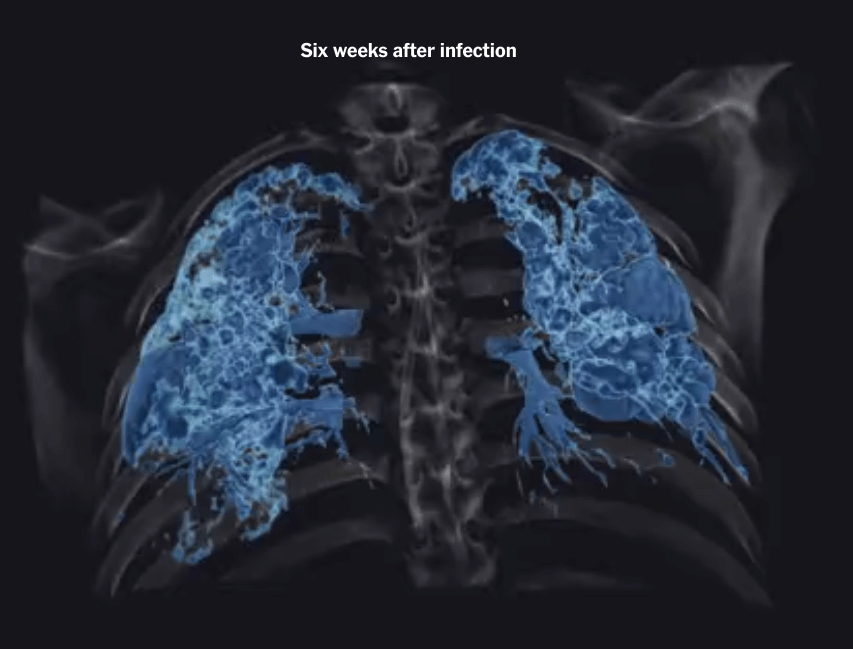
To better understand the long-term impact of Covid’s assault on the lungs, The New York Times spoke with three patients who were hospitalized during the pandemic’s early waves, interviewed doctors who treated them and reviewed C.T. scans of their lungs over time.

Follow the latest news and policy debates on sustainable agriculture, biomedicine, and other ‘disruptive’ innovations. Subscribe to our newsletter.

One patient spent time connected to a ventilator; the other two were so debilitated they required months on a heart-lung bypass machine called ECMO. These patients were not yet vaccinated — for two, vaccines weren’t available, and the third had planned to get vaccinated but was infected before he could.

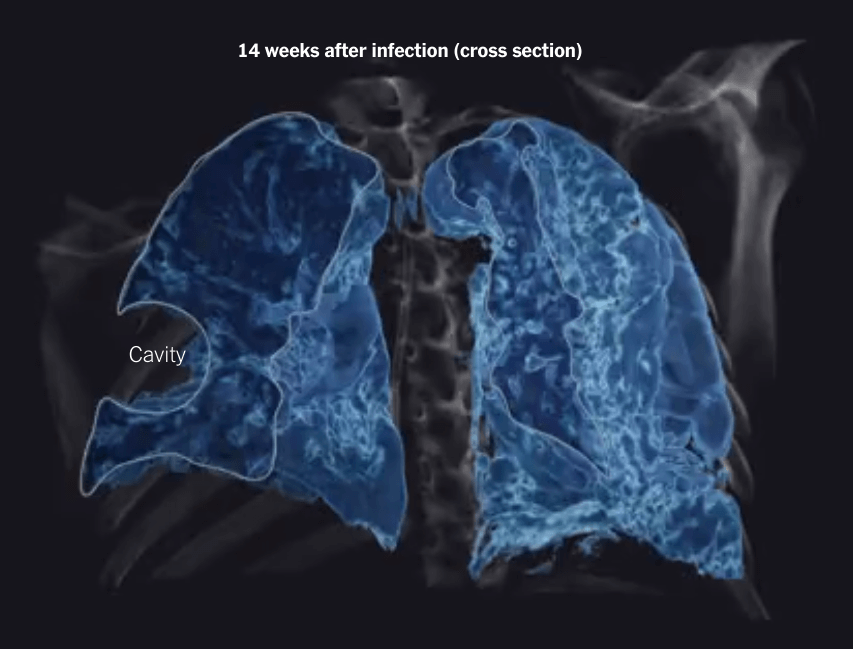
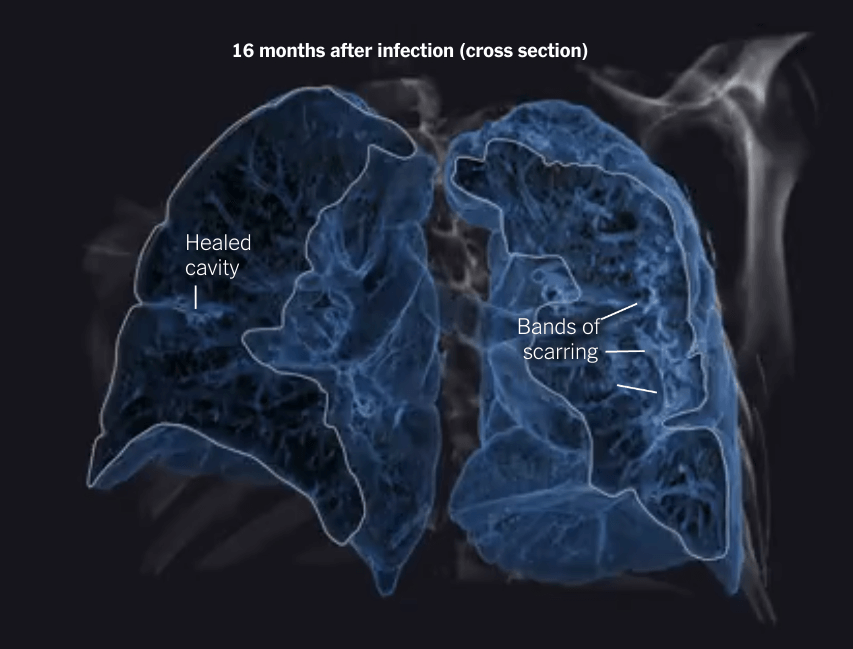
The Times analyzed hundreds of millions of data points from the patients’ scans to reconstruct their lungs in 3-D. The resulting visualization offers a vivid, visceral picture of damage that can linger years after infection and irrevocably alter everyday life.
screenshot pm

screenshot pm

screenshot pm

This is an excerpt. Read the full article here

{{ reviewsTotal }}{{ options.labels.singularReviewCountLabel }}
{{ reviewsTotal }}{{ options.labels.pluralReviewCountLabel }}
{{ options.labels.newReviewButton }}
{{ userData.canReview.message }}

Related Articles

Infographic: Global regulatory and health research agencies on whether glyphosate causes cancer

Infographic: Global regulatory and health research agencies on whether glyphosate causes cancer

Does glyphosate—the world's most heavily-used herbicide—pose serious harm to humans? Is it carcinogenic? Those issues are of both legal and ...

Most Popular

Screenshot-2026-04-22-at-12.21.32-PM
Viewpoint: Why the retracted Monsanto glyphosate study doesn’t change the science—the world’s most popular herbicide is safe 
Picture1
The FDA couldn’t find a vaccine safety crisis, so it buried its own research
ChatGPT-Image-May-1-2026-11_42_59-AM-2
Viewpoint: NAD is the wellness grifters latest evidence-lite longevity fad. At least the mice are impressed.
ChatGPT-Image-Apr-16-2026-02_56_53-PM
Financial incentives, over diagnosis, and weak oversight: Autism claims are driving up Medicare costs
global warming
‘Implausible’: Top climate scientists reject worst-case scenario—soaring temperatures and fast-rising sea levels
ChatGPT-Image-May-7-2026-01_23_27-PM-2
Viewpoint: Will AI democratize personalized cancer treatment or fuel medical misinformation?
ChatGPT-Image-May-12-2026-11_27_01-AM-2
AI likely to improve health care, research shows—but not for blacks and ethnic minorities

Sorry. No data so far.

glp menu logo outlined

Get news on human & agricultural genetics and biotechnology delivered to your inbox.