‘It’s outdated and overly cautious’: New Zealand’s National Party calls for overturning ban on gene-edited and GMO crops

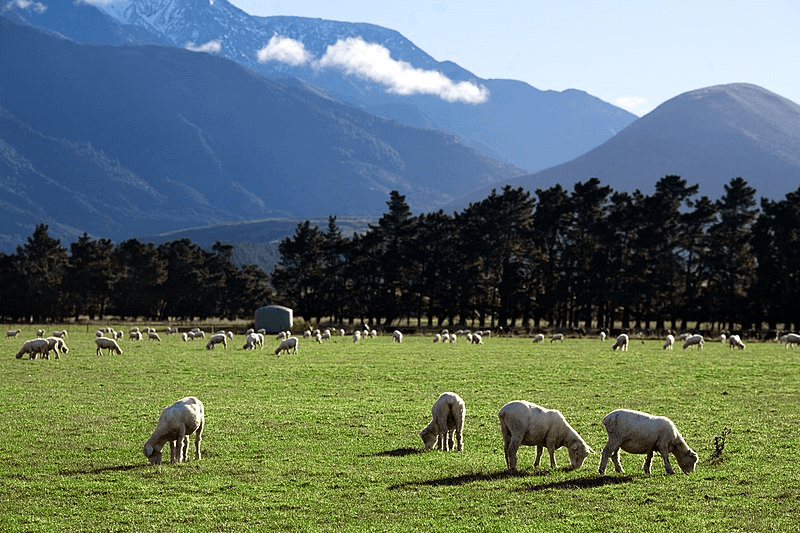
Credit: Jorge Royan via CC-BY-SA-3.0

The [New Zealand] National Party is campaigning to reverse the “ban” on gene editing and genetic modification.

Current regulation of gene editing (GE) and genetically modified organisms (GMO) make it very difficult for farms to produce anything from crops, livestock or grasses that have been gene edited. This effective ban has been in place for more than two decades, and was the subject of heated debate when the legislation was last revisited in 2003.

Follow the latest news and policy debates on sustainable agriculture, biomedicine, and other ‘disruptive’ innovations. Subscribe to our newsletter.

National Party science and innovation spokesperson Judith Collins said the ban was costing New Zealand and making it harder to reach climate change goals.

“[Gene technology] has been used in New Zealand laboratories since the 1970s, but restrictive rules, drafted in the 1990s, make research outside the lab all but impossible. This means our scientists must head overseas to conduct further research,” she said.

The party released policy on [June 11], saying it would reverse the ban and introduce a new biotech regulator, if elected in October.

The policy document said the country had lost potentially billions under the current GE regulations.

It also criticised the current framework, which was overseen by the Environmental Protection Authority (EPA), saying it was outdated and overly cautious.


{{ reviewsTotal }}{{ options.labels.singularReviewCountLabel }}
{{ reviewsTotal }}{{ options.labels.pluralReviewCountLabel }}
{{ options.labels.newReviewButton }}
{{ userData.canReview.message }}

Related Articles

Infographic: Global regulatory and health research agencies on whether glyphosate causes cancer

Infographic: Global regulatory and health research agencies on whether glyphosate causes cancer

Does glyphosate—the world's most heavily-used herbicide—pose serious harm to humans? Is it carcinogenic? Those issues are of both legal and ...

Most Popular

ChatGPT-Image-Jun-25-2026-12_23_17-PM
No, Bill Gates did not secretly engineer ticks to promote veganism
ChatGPT-Image-Jun-23-2026-03_12_23-PM
Is cellular reprogramming junk science? Nearly 20 patients are getting eye injections in the first FDA-cleared cellular trial
ChatGPT-Image-Mar-10-2026-01_39_01-PM
Viewpoint—“Miracle molecule” debunked: Why acemannan supplements don’t work
Screenshot-2026-06-15-at-1.55.27-PM
America's trust in Trump-Kennedy's CDC health recommendations is plunging
ChatGPT-Image-Jun-17-2026-10_52_43-AM
Anguished parents, doctors in tears: Utah’s long measles outbreak takes a toll
ChatGPT-Image-Jun-24-2026-11_36_47-AM
Why the human genome is less a script than a puzzle
Screenshot-2026-06-05-at-2.12.30-PM
Some plants can poison you. So how did humans figure out what is safe to eat?

Sorry. No data so far.

glp menu logo outlined

Get news on human & agricultural genetics and biotechnology delivered to your inbox.