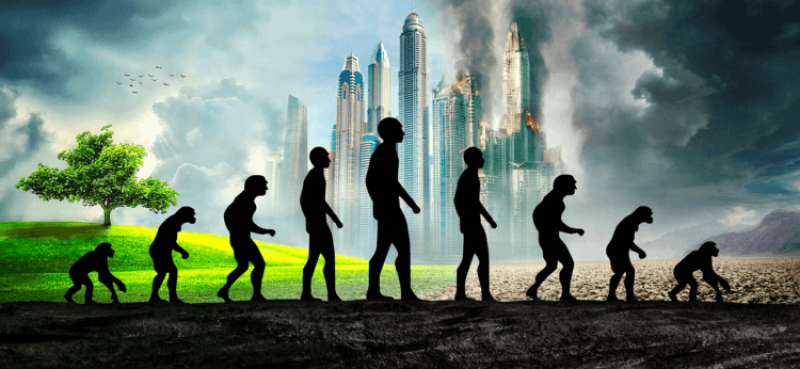

From the tiniest protocells to modern humans, our species has undergone a remarkable journey of adaptation, innovation, and survival.
In this article, we take a look at the key developmental stages in the evolution of life on Earth that led to the emergence of Homo sapiens—us!
1. Protocells and Early Microorganisms
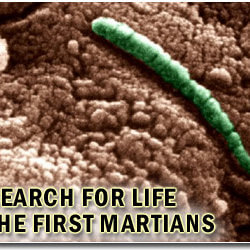
The first life forms on Earth were simple, single-celled microorganisms known as protocells. These precursor cells lacked a nucleus or other membrane-bound organelles, and they had simple genetic proteins called RNA.
Over time, RNA complexified into the more stable DNA. Protocells slowly developed specialized organelles, becoming more complex microbes that would eventually form eukaryotes – the complex, unicellular organisms that would birth a diverse array of life forms, from simple sponges to complex animals.