Austria opposes EU plan to deregulate crop gene editing after uproar from organic farmers

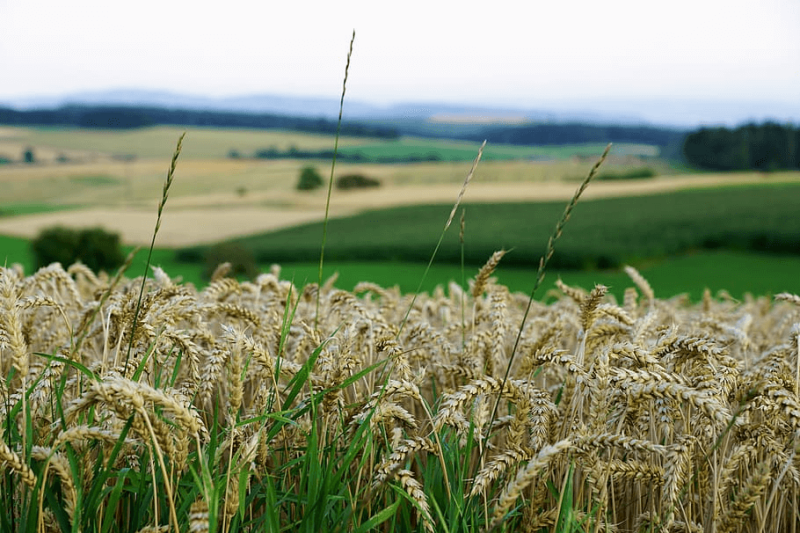
grain field bread summer
Credit: Wallpaper Flare (Public Domain)

The European Commission’s proposal to ease current restrictions on genetically modified crops has riled up EU organic farming leader Austria and its farmers.

“I think it’s outrageous… They have a nerve even considering this,” organic farmer Beate Brenner told AFP on her farm in a small village surrounded by grain and sunflower fields some 100 kilometres (60 miles) northwest of Vienna.

With about a fourth of all agricultural land certified as organic in Austria, the government has said it would lobby to block Brussels’ proposal.

Under the plan, the commission wants to allow gene editing with a plant’s existing DNA to escape the tough restrictions that apply to plants which have been modified using genes from another organism (genetically modified organisms or GMOs) in terms of authorisations, labelling and monitoring.

Follow the latest news and policy debates on sustainable agriculture, biomedicine, and other ‘disruptive’ innovations. Subscribe to our newsletter.

Grain farmer Brenner said Brussels should find better ways to address the challenges posed by climate change — with extreme weather threatening harvests.

She actively tries to explain Brussels’ proposal to her customers, who buy her bread, flour and other produce directly at her farm, online or in a few partner shops… Brenner’s customers say it is important for them that farmers work without chemical fertilisers — and above all without gene editing.


This is an excerpt. Read the original post here

{{ reviewsTotal }}{{ options.labels.singularReviewCountLabel }}
{{ reviewsTotal }}{{ options.labels.pluralReviewCountLabel }}
{{ options.labels.newReviewButton }}
{{ userData.canReview.message }}

Related Articles

Infographic: Global regulatory and health research agencies on whether glyphosate causes cancer

Infographic: Global regulatory and health research agencies on whether glyphosate causes cancer

Does glyphosate—the world's most heavily-used herbicide—pose serious harm to humans? Is it carcinogenic? Those issues are of both legal and ...

Most Popular

ChatGPT-Image-Jun-23-2026-03_12_23-PM
Is cellular reprogramming junk science? Nearly 20 patients are getting eye injections in the first FDA-cleared cellular trial
ChatGPT-Image-Jun-24-2026-11_36_47-AM
Why the human genome is less a script than a puzzle
Screenshot-2026-06-15-at-1.55.27-PM
America's trust in Trump-Kennedy's CDC health recommendations is plunging
ChatGPT-Image-Jun-25-2026-12_23_17-PM
No, Bill Gates did not secretly engineer ticks to promote veganism
ChatGPT-Image-Jun-17-2026-10_52_43-AM
Anguished parents, doctors in tears: Utah’s long measles outbreak takes a toll
Screenshot 2026-06-25 at 10.55
Leading OB-GYN group challenges RFK, Jr. gutting of maternal vaccine schedule
ChatGPT-Image-Mar-10-2026-01_39_01-PM
Viewpoint—“Miracle molecule” debunked: Why acemannan supplements don’t work
Screenshot-2026-06-22-at-9.04.46-PM
Kennedy's nutrition prescription for medical schools: Real problem, bad cure
Screenshot-2026-06-24-at-2.57.41-PM
Viewpoint: Trump’s Reflecting Pool algae fiasco points to a bigger culprit: Climate change
Screenshot-2026-06-25-at-1.48.40-PM
Glyphosate affirmed as safe: Supreme Court rejects lawsuit claiming Roundup herbicide causes cancer, upholding EPA determination
Screenshot-2026-06-24-at-2.40.46-PM
Hegseth reversal: As Air Force flu outbreak continues to surge, military reinstitutes mandatory vaccines for recruits

Sorry. No data so far.

glp menu logo outlined

Get news on human & agricultural genetics and biotechnology delivered to your inbox.