Over many thousands of years, a species of animal that shared a close relationship with wolves slowly morphed into something that loves to curl up in your lap, get belly rubs, and eat kibble three times a day.
These changes in dogs weren’t just behavioral. In fact, the changes in body plan – like shorter snouts, floppy ears, more expressive faces, less body hair, and prolonged infancy – are common to many domesticated animals.
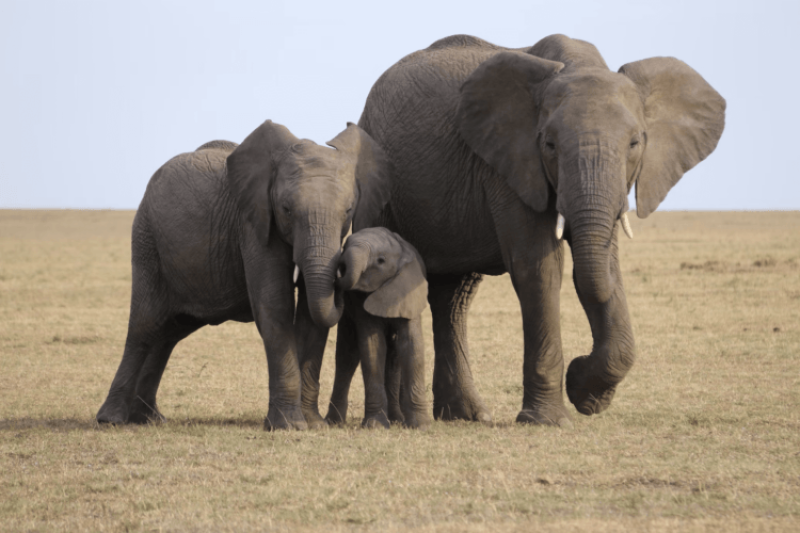
An international team of researchers recently pointed out that similar features exist within populations of elephants, prompting the question of who or what might have domesticated them.
The answer the researchers propose sounds just as surprising: Elephants may have domesticated themselves.

On a fundamental level, domestication is the process of artificially selecting representatives from each generation of animal (or plant) that suit the best criteria for living among humans. Number one on that list has to be ‘play nice’.
While many common traits might not be intentionally selected for, some genes go hand-in-hand with those for a docile companion, giving many animals a more slender, less threatening look. Termed ‘domestication syndrome‘, the collection of characteristics that go with calm, cute, and content animals might not help them in the wild, but it certainly makes them more suitable for human society.