Viewpoint: GMO mustard crops newly approved in India enable farmer self-reliance and provide food oil sorely needed for growing population

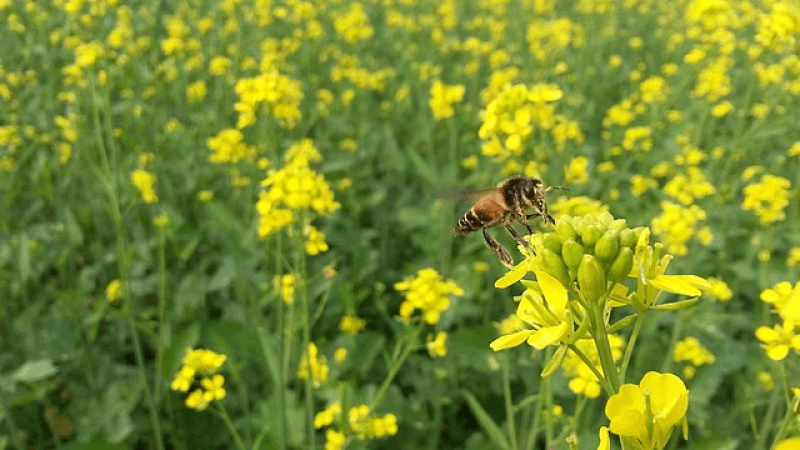
Credit: Ashis32 via CC-BY-SA-4.0

India faces a major deficit in edible oils, with 60% of its demand being met by imports. Mustard is one of the most important edible oil crops in India; however, its per hectare yield is very low when compared to the global average. Thus, increasing the productivity of mustard in the country is vital for the economic well-being of farmers and self-sufficiency in edible oil production.

Using genetic engineering, extensive research has been carried out at the Centre for Genetic Manipulation of Crop Plants (CGMCP), University of Delhi South Campus, to create a GM mustard hybrid, DMH-11 with higher vigour and yield โ€” this will facilitate an increase in domestic production of edible oils as well as enhanced farm incomes.

Follow the latest news and policy debates on sustainable agriculture, biomedicine, and other ‘disruptive’ innovations. Subscribe to our newsletter.

This advancement will benefit farmers by increasing yield per hectare, also leading to an increase in their incomes. The domestic consumption of edible oils is around 25 million tonnes, while the domestic production of mustard oil was approximately 8.5 million tonnes in the year 2020-21. Indiaโ€™s edible oil imports were approximately 13 million tonnes, which touched โ‚น1.17 lakh crore in value terms. Cultivation of these GM mustard hybrids developed indigenously could help enhance farmersโ€™ income, reduce the oil-import burden and help achieve much-needed self-reliance in edible oil production.ย 

This is an excerpt. Read the original post here

{{ reviewsTotal }}{{ options.labels.singularReviewCountLabel }}
{{ reviewsTotal }}{{ options.labels.pluralReviewCountLabel }}
{{ options.labels.newReviewButton }}
{{ userData.canReview.message }}

Related Articles

Infographic: Global regulatory and health research agencies on whether glyphosate causes cancer

Infographic: Global regulatory and health research agencies on whether glyphosate causes cancer

Does glyphosateโ€”the world's most heavily-used herbicideโ€”pose serious harm to humans? Is it carcinogenic? Those issues are of both legal and ...

Most Popular

Screenshot-2026-04-13-at-3.54.04-PM
AI disinformation stress test: Challenges and response strategies
ChatGPT-Image-Feb-16-2026-01_04_32-PM
Raw milk myth wake-up call
ChatGPT-Image-Apr-23-2026-09_20_20-PM
Kennedyโ€™s CDC blocks publication of study that shows vaccines reduce hospitalizations by 50%, then misrepresents why
ChatGPT-Image-Apr-20-2026-11_17_18-AM-2
10,000 scientists gone: Trumpโ€™s cuts create an unprecedented brain drain
Screenshot-2026-04-21-at-12.05.38-PM
MAHAโ€™s special protein-focused formula for skin care: Beef tallow and salmon sperm. How could they be wrong?
Rod Curtis
In Zimbabwe, an almost-deadly collision between fake news and a real virus
Screenshot-2026-04-12-135256
Bixonimania: The fake disease scam that AI swallowed whole
Screenshot-2026-04-22-at-1.14.34-PM
Latest fevered, right-wing conspiracy: Fox, New York Post, and kooky GOP legislators push โ€˜Dead Scientistsโ€™ scare
ChatGPT-Image-Apr-23-2026-10_27_42-AM
Viewpoint: โ€˜Make America Pregnant Againโ€™ โ€” Trump guts support for birth control to placate the rightโ€™s birth obsession
images
The never-ending GMO debate: Pros and cons
glp menu logo outlined

Get news on human & agricultural genetics and biotechnology delivered to your inbox.