As the EU ponders glyphosate re-authorization, French national radio site examines claims that glyphosate is harmful

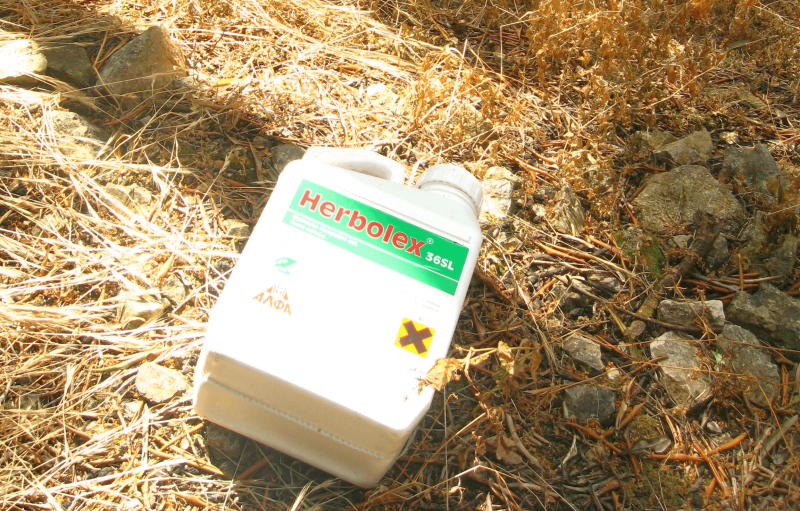
empty glyphosate herbolex container discarded in corfu olive grove
Credit: Wikimedia Commons (CC BY-SA 4.0)

Europe is preparing to re-authorize glyphosate for 10 years and as a preamble to this re-authorization, the media war is open between opponents and supporters of this re-homologation,ย with a lot of false information. Glyphosate is the most used weed killer in the world.

Follow the latest news and policy debates on sustainable agriculture, biomedicine, and other ‘disruptive’ innovations. Subscribe to our newsletter.

First misconception: it is sprayed on crops in France . When you read an article about glyphosate, there is always a photo of a tractor spraying a product on beautiful crops. It’s never glyphosate , because that would instantly kill said crop! These images are therefore misleading. It is used to rid a field of unwanted weeds before sowing a crop, such as a cereal, or to weed an orchard, but in this case, taking care not to touch the fruit trees, under penalty of see them die immediately. It is for these reasons that you will simply not find glyphosate residues in our agricultural products.

Second misconception:ย glyphosate gives cancer, or Alzheimerโ€™s disease. The European Health Security Agency and its 80 experts have reviewed all the scientific literature published on glyphosate: 2,400 studies analyzed, 180,000 pages of documents. Their conclusion is clear: under its authorized conditions of use, โ€œthe assessment of the impact of glyphosate on human health, animals and the environment, has not identified any area of critical concernโ€. In other words: no risk identified!

[Editor’s note: This article has been translated from French and edited for clarity.]


This is an excerpt. Read the original post here

{{ reviewsTotal }}{{ options.labels.singularReviewCountLabel }}
{{ reviewsTotal }}{{ options.labels.pluralReviewCountLabel }}
{{ options.labels.newReviewButton }}
{{ userData.canReview.message }}

Related Articles

Infographic: Global regulatory and health research agencies on whether glyphosate causes cancer

Infographic: Global regulatory and health research agencies on whether glyphosate causes cancer

Does glyphosateโ€”the world's most heavily-used herbicideโ€”pose serious harm to humans? Is it carcinogenic? Those issues are of both legal and ...

Most Popular

Screenshot-2026-04-13-at-1.39.26-PM
Viewpoint: โ€˜Safer for children?โ€™ Stonyfield yogurt under fire for deceptive organic marketing
Screenshot-2026-04-22-at-10.46.29-AM
Viewpoint: How to counter science disinformation? Science journalist offers 12 practical tips
ChatGPT-Image-May-7-2026-12_16_37-PM-2
Viewpoint: Are cancer rates โ€˜skyrocketingโ€™ as RFK, Jr. and MAHA claim? The evidence says mostly the opposite
Picture1-14
When superbugs threaten vulnerable children: Can AI help solve antibiotic resistance?
ChatGPT-Image-May-12-2026-08_39_41-PM
GLP podcast: Big Pharma, Big Ag, Big Foodโ€”health harming industries or life-saving innovators?
Screenshot-2026-04-23-at-11.00.36-AM
Regulators' dilemma: Thalidomide, Metformin, and the cost of getting drug approvals wrong
Picture1-1
Cooling the planet with balloons: Could a geoengineering gamble slow global warming?
png-pill-omega-Supp-fish-oil
Millions take omega-3 fish oil for brain health. New research suggests it may do the opposite.
bigstock opioids on chalkboard with rol
GLP podcast: 'Safe injection sites': enabling drug addiction or saving lives?
glp menu logo outlined

Get news on human & agricultural genetics and biotechnology delivered to your inbox.