Almost all supplements are useless, experts say. Here’s a few that offer some benefits

o
Credit: Vitamin Warehouse

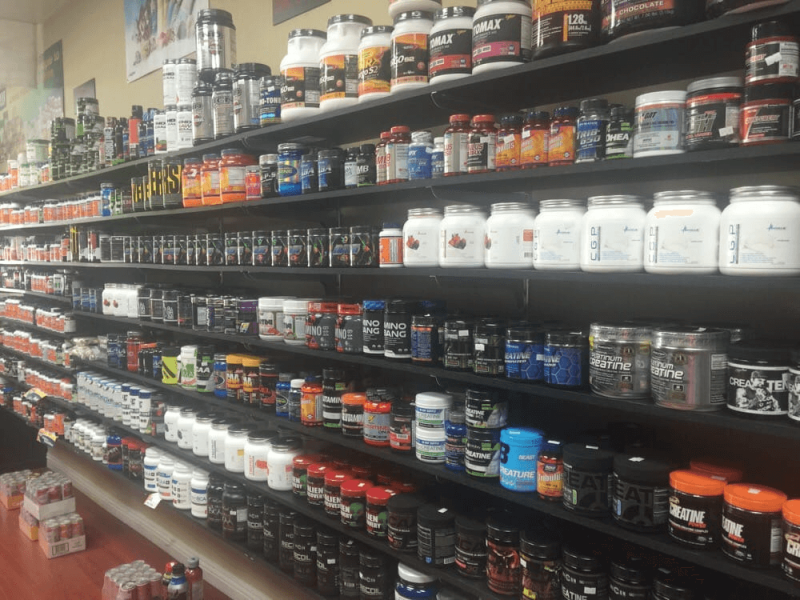
The U.S. dietary supplement industry has exploded in the last 30 years, growing from about 4,000 products in 1994 to more than 95,000 on the market today, according to the Food and Drug Administration. These capsules, powders, gummies and tinctures are often labeled with big — if vague — claims like “supports immune health” or “improves brain performance.”

But most supplements have not been rigorously tested for safety or effectiveness, said Dr. JoAnn Manson, a professor of medicine at Harvard Medical School.

Follow the latest news and policy debates on sustainable agriculture, biomedicine, and other ‘disruptive’ innovations. Subscribe to our newsletter.

But, she said, there are some instances where taking a supplement may improve your health. Here are some of the main ones.

Collagen. Collagen, is one of the most abundant proteins in the body and helps form our skin, bones, muscles, tendons and ligaments. As we age, we naturally start reducing its production.

Vitamin B6. This essential nutrient is involved in a number of chemical reactions that are important for the proper functioning of the immune and nervous systems. As with the other essential vitamins, the body cannot produce B6 on its own.

Melatonin. The hormone is released by our brains as it starts to get dark outside, making us sleepy. Taking it in supplement form tricks your body into feeling like it’s nighttime

Several recent trials have also found that multivitamins may improve memory and slow cognitive decline in older adults, though more research is needed, Dr. Manson said.


This is an excerpt. Read the original post here

{{ reviewsTotal }}{{ options.labels.singularReviewCountLabel }}
{{ reviewsTotal }}{{ options.labels.pluralReviewCountLabel }}
{{ options.labels.noReviewsLabel }}
{{ options.labels.newReviewButton }}
{{ userData.canReview.message }}

Related Articles

Infographic: Global regulatory and health research agencies on whether glyphosate causes cancer

Infographic: Global regulatory and health research agencies on whether glyphosate causes cancer

Does glyphosate—the world's most heavily-used herbicide—pose serious harm to humans? Is it carcinogenic? Those issues are of both legal and ...

Most Popular

ChatGPT-Image-Mar-10-2026-01_39_01-PM
Viewpoint—“Miracle molecule” debunked: Why acemannan supplements don’t work
Screenshot 2025-09-17 at 12.41
Misinformation alert: No, glyphosate use in Canadian forests is not spurring more wildfires
Screenshot 2026-07-11 094410
Growing animal muscle and fat cells inside rice grains and calling it beef: One of numerous genetically engineered products shaking up our ecosystem
ChatGPT-Image-Jun-25-2026-12_23_17-PM
No, Bill Gates did not secretly engineer ticks to promote veganism
Screenshot 2026-07-16 at 8.49
Pete Hegseth’s bizarre Viagra commercial as Trump administration endorses ‘hormone replacement therapy’
Screenshot-2026-07-16-at-11.32.12-AM
Viewpoint: Trump appoints climate change hoax promoter to head influential government policy project

Sorry. No data so far.

glp menu logo outlined

Get news on human & agricultural genetics and biotechnology delivered to your inbox.