Night owls vs mourning doves: Neanderthal genes explain why some people find it easy to wake up early

unnamed file
Credit: Shubayqa Project/Science (CC BY-NC-SA 4.0)

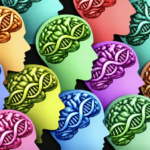
People who are early to bed and early to rise may have their ancient ancestors to thank for the habit – or at least the Neanderthals with whom their forebears procreated, scientists say.

DNA inherited from our thick-browed cousins may contribute to the tendency of some people to be larks, researchers found, making them more comfortable at getting up and going to bed earlier than others.

While most genes that modern humans gained through ancient interbreeding have been weeded out by evolution, a small fraction remain, most probably because they helped early modern humans adapt to the new environment when they left Africa for Eurasia.

Mis- and disinformation are distorting science and public policy. Subscribe to our Daily and Weekly Digests for incisive coverage of ‘disruptive’ innovations in AI, agricultural biotechnology, food, chemicals, nuclear energy, vaccines, and other disruptive innovations.

Prof Mark Maslin, of University College London, who was not involved in the study, said: “Now we have genetic evidence that some of us really are morning people.
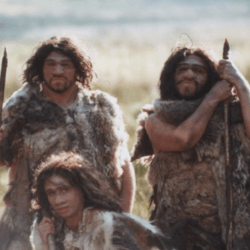
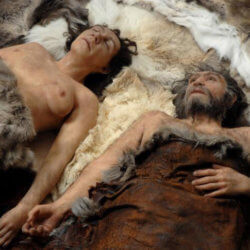
“When humans evolved in tropical Africa, the day lengths were on average 12 hours long. Now hunter gatherers spend only 30% of their awake time collecting food, so 12 hours is loads of time. But the further north you go, the shorter and shorter the days get in winter when food is particularly scarce, so it makes sense for Neanderthals and humans to start collecting food as soon as there is any light to work by.”


This is an excerpt. Read the full article here

Related Articles

Infographic: Global regulatory and health research agencies on whether glyphosate causes cancer

Infographic: Global regulatory and health research agencies on whether glyphosate causes cancer

Does glyphosate—the world's most heavily-used herbicide—pose serious harm to humans? Is it carcinogenic? Those issues are of both legal and ...

Most Popular

ChatGPT-Image-Mar-10-2026-01_39_01-PM
Viewpoint—“Miracle molecule” debunked: Why acemannan supplements don’t work
AI Doctor with a Digital Neural Head
Utah becomes first state to empower AI to bypass doctors and prescribe certain drugs
Screenshot-2026-10-07-at-2.00.02-PM
9 wellness myths busted
Screenshot-2026-09-22-at-12.26.15-PM
‘Forever chemical’ concerns: Separating hysteria from reasonable concern in the debate over PFAS danger
AI-Force-Uniform-Insignia-Close-Up
Trump wants an AI Force like Space Force, but that could make AI’s risks harder to manage
Screenshot-2026-10-06-at-11.13.59-AM
RFK Jr.’s plan to curb America’s appetite for ultra-processed foods and artificial dyes blocked by the White House
Concerned-Farmer-at-Golden-Hour
GAHA: The corporate-created “healthier America” movement challenging what it claims is MAHA misinformation about modern farming, chemicals, and food
Screenshot-2026-10-02-at-9.11.36-AM
The genetics of personality
Screenshot-2026-10-08-at-2.32.00-PM
Abortion rights opponents outraged after FDA says its “safety review” of the already-found-safe mifepristone abortion pill will continue into 2027
glp menu logo outlined

Get news on human & agricultural genetics and biotechnology delivered to your inbox.