Clothes made of banana peels: How fruit waste can be turned into a sustainable cotton alternative

png
Credit: TexFad

Every year, the world produces about 10 million metric tonnes of bananas a year. โ€‹โ€‹35% of the bananaโ€™s weight are in the peels, which result in 3.5 million tonnes of waste per year.

Peels thrown away by consumers are just one part of the issue: banana plantations also leave an immense amount of unused material. After harvesting, almost 60% of banana biomass is discarded.

Follow the latest news and policy debates on sustainable agriculture, biomedicine, and other ‘disruptive’ innovations. Subscribe to our newsletter.

A more efficient and sustainable use for banana waste is to transform them into sustainable textiles. The global fashion industry today is hugely reliant on fossil materials, stretching from polyester to water-intensive cotton farmed on overworked soils. As the search for circular textiles at scale intensifies, banana waste could be one of the raw materials ideally placed to supply the demand.

As the second biggest banana producer in the world, Uganda is the natural home of banana waste valorisation.
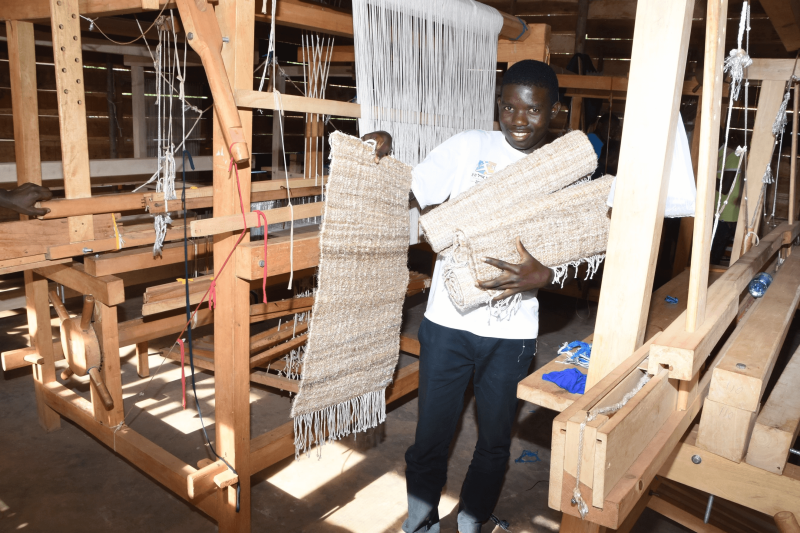
TexFad leads the way in the Ugandan banana waste value chain, having developed technologies for banana fibre extraction and the production of high quality banana fibre textiles and handicrafts including yarn, fabric, and home furnishings like rugs and lampshades. All their crafts are designed to be completely biodegradable.


This is an excerpt. Read the original post here

{{ reviewsTotal }}{{ options.labels.singularReviewCountLabel }}
{{ reviewsTotal }}{{ options.labels.pluralReviewCountLabel }}
{{ options.labels.newReviewButton }}
{{ userData.canReview.message }}

Related Articles

Infographic: Global regulatory and health research agencies on whether glyphosate causes cancer

Infographic: Global regulatory and health research agencies on whether glyphosate causes cancer

Does glyphosateโ€”the world's most heavily-used herbicideโ€”pose serious harm to humans? Is it carcinogenic? Those issues are of both legal and ...

Most Popular

Picture1
The FDA couldnโ€™t find a vaccine safety crisis, so it buried its own research
ChatGPT-Image-Apr-16-2026-02_56_53-PM
Financial incentives, over diagnosis, and weak oversight: Autism claims are driving up Medicare costs
Screenshot-2026-05-19-at-11.23.34-AM
West-originated vaccine disinformation sparks murders of health care workers across Africa
Screenshot-2026-04-22-at-12.21.32-PM
Viewpoint: Why the retracted Monsanto glyphosate study doesnโ€™t change the scienceโ€”the worldโ€™s most popular herbicide is safeย 
Screenshot-2026-05-08-at-11.55.47-AM
Anti-vax activists falsely blame COVID vaccines for the rising U.S. cancer rate among younger people.
ChatGPT-Image-May-12-2026-11_27_01-AM-2
AI likely to improve health care, research showsโ€”but not for blacks and ethnic minorities
ChatGPT-Image-May-7-2026-12_32_36-PM
Viewpoint: The state of U.S. vaccine policy? Dismal nationally, but some states are stepping up.
modi visit sikkim
Viewpoint: Indian PM wants farmers to switch to 50% organic. It would take at least 10 years, likely wonโ€™t work, and isnโ€™t more sustainable
Screenshot-2026-05-18-at-12.57.12-PM
Viewpointโ€”โ€˜Technology is pulling us apartโ€™: Environmental, political, and economic
Screenshot-2026-04-13-at-1.39.26-PM
Viewpoint: โ€˜Safer for children?โ€™ Stonyfield yogurt under fire for deceptive organic marketing
glp menu logo outlined

Get news on human & agricultural genetics and biotechnology delivered to your inbox.