Viewpoint: Anti-biotech farmers and green politicians decry EU relaxation of genetic engineering rules — ‘Specter of patentable supercrops from corporate giants looms over Europe’

gfuocbgwkaaosvs

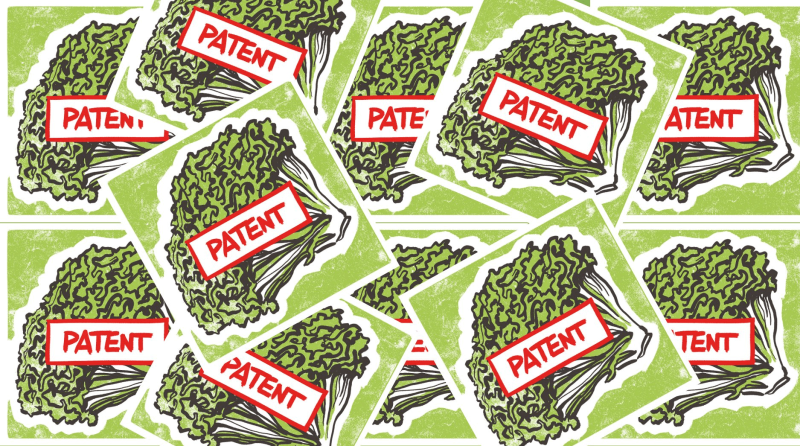
The specter of patentable supercrops is looming over Europe’s agricultural landscape, raising concerns about a handful of corporate giants dominating the food chain.

A new generation of gene-edited seeds created by technologies such as CRISPR-Cas9, dubbed new genomic techniques, has been marketed as a solution to mitigate the impact of the climate crisis on agriculture — such as drought, pests and other extreme conditions.

The draft EU rules that would launch them to market passed a tight plenary vote in the European Parliament on [January 31], while negotiations are deadlocked between national governments in the Council.

Follow the latest news and policy debates on sustainable agriculture, biomedicine, and other ‘disruptive’ innovations. Subscribe to our newsletter.

At the heart of the controversy is whether patents on these new supercrops will promote innovation and help farmers, or instead pave the way for a few multibillion-dollar corporations to extend their dominance over the food chain.

If patented, the technology “would be reserved for very lucky few … meaning the big operators with the big financial muscles,” Jesper Carlsson, an adviser to Swedish lawmaker Jessica Pölfjard of the European People’s Party, who’s leading the file in the Parliament, told POLITICO.

The European Parliament along with many national capitals agree they don’t want to facilitate corporate capture of the food sector — and are pushing to prevent it.

European lawmakers backed an amendment to outlaw patenting the new technologies — but this would still need to be agreed with the Council and the Commission during interinstitutional negotiations.

This is an excerpt. Read the original post here

{{ reviewsTotal }}{{ options.labels.singularReviewCountLabel }}
{{ reviewsTotal }}{{ options.labels.pluralReviewCountLabel }}
{{ options.labels.newReviewButton }}
{{ userData.canReview.message }}

Related Articles

Infographic: Global regulatory and health research agencies on whether glyphosate causes cancer

Infographic: Global regulatory and health research agencies on whether glyphosate causes cancer

Does glyphosate—the world's most heavily-used herbicide—pose serious harm to humans? Is it carcinogenic? Those issues are of both legal and ...

Most Popular

Screenshot-2026-04-13-at-3.54.04-PM
AI disinformation stress test: Challenges and response strategies
ChatGPT-Image-Feb-16-2026-01_04_32-PM
Raw milk myth wake-up call
ChatGPT-Image-Apr-20-2026-11_17_18-AM-2
10,000 scientists gone: Trump’s cuts create an unprecedented brain drain
ChatGPT-Image-Apr-23-2026-09_20_20-PM
Kennedy’s CDC blocks publication of study that shows vaccines reduce hospitalizations by 50%, then misrepresents why
Screenshot-2026-04-21-at-12.05.38-PM
MAHA’s special protein-focused formula for skin care: Beef tallow and salmon sperm. How could they be wrong?
Screenshot-2026-04-12-135256
Bixonimania: The fake disease scam that AI swallowed whole
images
The never-ending GMO debate: Pros and cons
Screenshot-2026-04-22-at-1.14.34-PM
Latest fevered, right-wing conspiracy: Fox, New York Post, and kooky GOP legislators push ‘Dead Scientists’ scare
Rod Curtis
In Zimbabwe, an almost-deadly collision between fake news and a real virus

Sorry. No data so far.

glp menu logo outlined

Get news on human & agricultural genetics and biotechnology delivered to your inbox.