
Oysters have long been thought of as an aphrodisiac. Does science agree?

Oysters have long been thought of as an aphrodisiac. Does science agree?
Credit: Midjourney/ Heenan

For centuries, people have considered oysters an aphrodisiac, with at least one legendary lover, Giacomo Casanova, reportedly attributing his sexual prowess to eating dozens of them at a time.

Experts say these briny mollusks do contain elements that may enhance sex drive, though there is no scientific evidence showing a direct link to a more robust libido.

Follow the latest news and policy debates on sustainable agriculture, biomedicine, and other ‘disruptive’ innovations. Subscribe to our newsletter.

Raw oysters are high in zinc — a 3.5-ounce serving contains more than five times the recommended daily amount for an male adult and more than seven times for a female adult. Zinc is associated with improved testosterone levels, which influences male and female sex drives, and is essential for male fertility, research shows.

Zinc also boosts dopamine, a neurotransmitter involved in pleasure and reward-seeking behaviors and may influence sexual responses in men and women, said Julia Zumpano, a registered dietitian for the Center for Human Nutrition at the Cleveland Clinic.
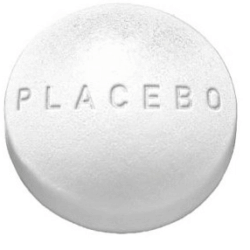
There’s another explanation as to why oysters may bring out a romantic side: the placebo effect, said Waguih William IsHak, a professor of psychiatry at Cedars-Sinai and the University of California at Los Angeles… Meta-analyses on placebo treatments for male and female sexual dysfunction have shown that people given a placebo reported an improvement in sexual functioning — in some studies, at a rate as high as 50 percent.

This is an excerpt. Read the full article here

{{ reviewsTotal }}{{ options.labels.singularReviewCountLabel }}
{{ reviewsTotal }}{{ options.labels.pluralReviewCountLabel }}
{{ options.labels.newReviewButton }}
{{ userData.canReview.message }}

Related Articles

Infographic: Global regulatory and health research agencies on whether glyphosate causes cancer

Infographic: Global regulatory and health research agencies on whether glyphosate causes cancer

Does glyphosate—the world's most heavily-used herbicide—pose serious harm to humans? Is it carcinogenic? Those issues are of both legal and ...

Most Popular

ChatGPT-Image-May-7-2026-12_32_36-PM
Viewpoint: The state of U.S. vaccine policy? Dismal nationally, but some states are stepping up.
Screenshot-2026-04-13-at-1.39.26-PM
Viewpoint: ‘Safer for children?’ Stonyfield yogurt under fire for deceptive organic marketing
Screenshot-2026-04-22-at-10.46.29-AM
Viewpoint: How to counter science disinformation? Science journalist offers 12 practical tips
ChatGPT-Image-May-7-2026-12_16_37-PM-2
Viewpoint: Are cancer rates ‘skyrocketing’ as RFK, Jr. and MAHA claim? The evidence says mostly the opposite
the magic of mRNA
Viewpoint: Anti-vax fake ‘turbo cancer’ claims threaten cancer treatment breakthroughs
Defense_Secretary_Ash_Carter_tours_the_Microsoft_Cybercrime_Center_in_Seattle_March_3_2016
How criminals are using AI to target social media users and steal their money and confidential data
ChatGPT-Image-May-7-2026-01_23_27-PM-2
Viewpoint: Will AI democratize personalized cancer treatment or fuel medical misinformation?
ChatGPT-Image-May-12-2026-08_39_41-PM
GLP podcast: Big Pharma, Big Ag, Big Food—health harming industries or life-saving innovators?
artificial intelligence brain think illustration md
Viewpoint — Digital gods and human extinction: Will we be the first species ever to design our own descendants?
Picture1-1
Cooling the planet with balloons: Could a geoengineering gamble slow global warming?
Screenshot-2026-04-23-at-11.00.36-AM
Regulators' dilemma: Thalidomide, Metformin, and the cost of getting drug approvals wrong
RFKjr-Tech-Vax-Misinfo
As U.S. officials spread medical misinformation, scientists fact check online
glp menu logo outlined

Get news on human & agricultural genetics and biotechnology delivered to your inbox.