Sex and the brain: AI can distinguish between male and female brain MRIs with 90% accuracy

Sex and the brain: AI can distinguish between male and female brain MRIs with 90% accuracy
Credit: Midjourney/ Heenana

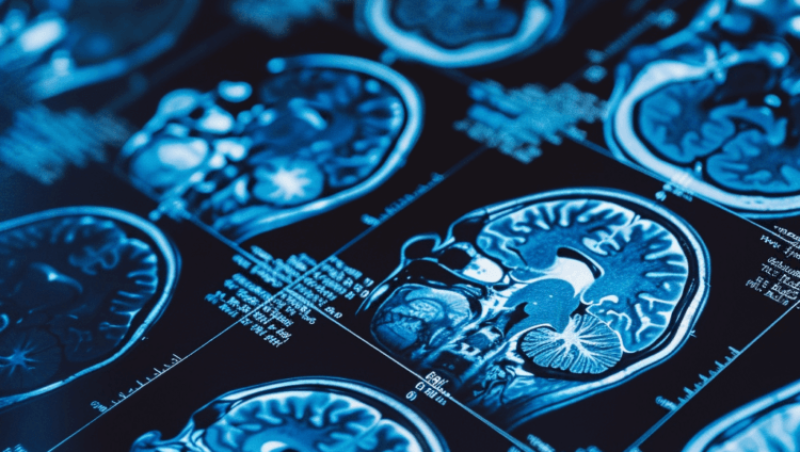
Stanford Medicine investigators reported on their development of a new artificial intelligence model that in tests was found to be more than 90% successful at determining whether MRI scans of human brain activity were from a man or from a woman. The findings, the investigators suggest, help to resolve a longstanding controversy about whether reliable sex differences exist in the human brain, and also indicate that understanding these differences may help scientists better understand neuropsychiatric conditions that affect women and men differently.

Follow the latest news and policy debates on sustainable agriculture, biomedicine, and other ‘disruptive’ innovations. Subscribe to our newsletter.

Sex plays a significant role in early brain development, adolescence, and aging, the authors noted. Moreover, they pointed out, “Sex is an important biological factor that influences human behavior, impacting brain function and the manifestation of psychiatric and neurological disorders … Consequently, knowledge of sex differences in the human brain is critical for understanding both normative behavior and psychopathology.” In fact, the extent to which a person’s sex affects how their brain is organized and operates has long been a point of dispute among scientists, the scientists suggested.

The model’s success suggests that detectable sex differences do exist in the brain, but that they hadn’t been picked up reliably before.


This is an excerpt. Read the full article here

{{ reviewsTotal }}{{ options.labels.singularReviewCountLabel }}
{{ reviewsTotal }}{{ options.labels.pluralReviewCountLabel }}
{{ options.labels.noReviewsLabel }}
{{ options.labels.newReviewButton }}
{{ userData.canReview.message }}

Related Articles

Infographic: Global regulatory and health research agencies on whether glyphosate causes cancer

Infographic: Global regulatory and health research agencies on whether glyphosate causes cancer

Does glyphosate—the world's most heavily-used herbicide—pose serious harm to humans? Is it carcinogenic? Those issues are of both legal and ...

Most Popular

ChatGPT-Image-Mar-10-2026-01_39_01-PM
Viewpoint—“Miracle molecule” debunked: Why acemannan supplements don’t work
Screenshot-2026-07-09-at-1.09.25-PM
Anti-vaccine myths rattle health care
Picture1
Hiroshima at 81: America’s new nuclear bomb, a buried Iranian target, and a question no one wants to ask
ChatGPT Image Jul 29, 2026, 06_26_01 PM 2
Facts & Fallacies podcast: Organic food myths make a comeback on Instagram, with Dr. Kevin Folta
ChatGPT-Image-Jul-10-2026-12_21_03-PM
Viewpoint: Is there new evidence that the animal deworming drug ivermectin decreases the risk of Covid and cancer? Don’t waste your money.
ChatGPT-Image-Jun-25-2026-12_23_17-PM
No, Bill Gates did not secretly engineer ticks to promote veganism
ChatGPT-Image-Jul-10-2026-09_42_12-AM-1
Peptides, patient autonomy, and the limits of medical freedom
leeteam
How Kennedy and his family could pocket millions from Merck’s $50 million vaccine injury settlement that he oversaw
ChatGPT-Image-Jul-22-2026-09_13_07-AM
Viewpoint—The Strategic Litigation boom: Understanding the tightening coalition among NGOs, foundations, journalists, and tort lawyers
organic scaled
Facts & Fallacies podcast: Organic food cuts pesticide exposure? A response to Dr. Rhonda Patrick

Sorry. No data so far.

glp menu logo outlined

Get news on human & agricultural genetics and biotechnology delivered to your inbox.