Methane is 28 times more powerful than CO2, and it’s increasing in the atmosphere. Here’s why and what must be done

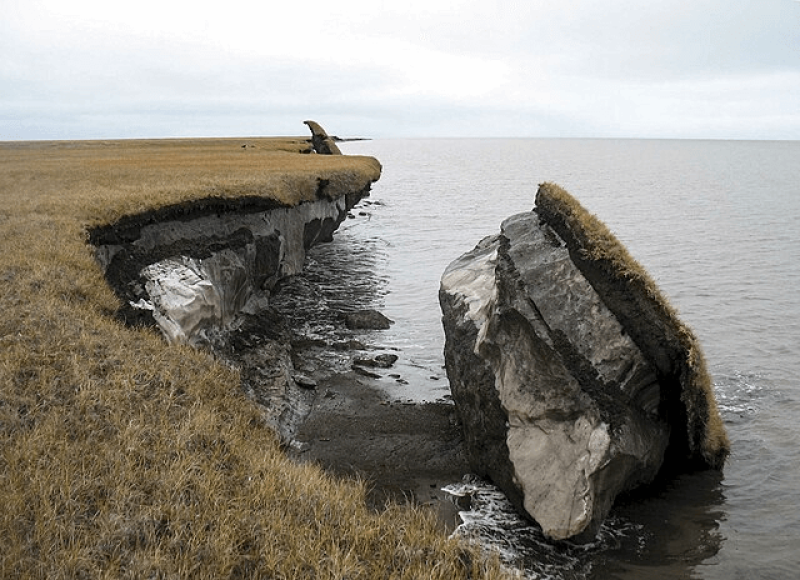
Credit: Benjamin Jones and USGS via CC0-1.0

The greenhouse gas methane is 28 times more powerful than CO2, and its presence is increasing in the atmosphere.

The main reason for the increase in methane is emissions from wetlands, which are expanding as the world warms, according to a research report from the Norwegian Institute for Air Research (NILU).

Follow the latest news and policy debates on sustainable agriculture, biomedicine, and other ‘disruptive’ innovations. Subscribe to our newsletter.

According to the report, the main reason is that more methane has been released from wetland areas such as bogs, shallow ponds, and lakes in tropical regions. And as it gets warmer, more is released.

“The temperature change leads to increased microbiological activity,” researcher Stephen Matthew Platt says. He is one of the researchers behind the new study.

Processes like decomposition in wetlands happen faster when it gets warmer.

Another reason for the increase in methane emissions is that permafrost has begun to thaw in the north.

Platt points out that because it is difficult to do something about methane emissions from wetlands, the consequence is that these emissions must be more significantly reduced from other sources.

“Methane is a very potent greenhouse gas and is about 28 times more powerful than CO2. If emissions from wetlands continue to rise, we need greater cuts in methane either from man-made sources or in CO2 emissions to meet the goals of the Paris Agreement,” he says.

This is an excerpt. Read the original post here

{{ reviewsTotal }}{{ options.labels.singularReviewCountLabel }}
{{ reviewsTotal }}{{ options.labels.pluralReviewCountLabel }}
{{ options.labels.newReviewButton }}
{{ userData.canReview.message }}

Related Articles

Infographic: Global regulatory and health research agencies on whether glyphosate causes cancer

Infographic: Global regulatory and health research agencies on whether glyphosate causes cancer

Does glyphosate—the world's most heavily-used herbicide—pose serious harm to humans? Is it carcinogenic? Those issues are of both legal and ...

Most Popular

Screenshot-2026-04-22-at-12.21.32-PM
Viewpoint: Why the retracted Monsanto glyphosate study doesn’t change the science—the world’s most popular herbicide is safe 
ChatGPT-Image-Apr-16-2026-02_56_53-PM
Financial incentives, over diagnosis, and weak oversight: Autism claims are driving up Medicare costs
Picture1
The FDA couldn’t find a vaccine safety crisis, so it buried its own research
global warming
‘Implausible’: Top climate scientists reject worst-case scenario—soaring temperatures and fast-rising sea levels
ChatGPT-Image-May-1-2026-11_42_59-AM-2
Viewpoint: NAD is the wellness grifters latest evidence-lite longevity fad. At least the mice are impressed.

Sorry. No data so far.

glp menu logo outlined

Get news on human & agricultural genetics and biotechnology delivered to your inbox.