Viewpoint: CRISPR gene editing is no silver bullet in in the battle to contain bird flu

Credit: Carol Highsmith via Rawpixel and CC0-1.0

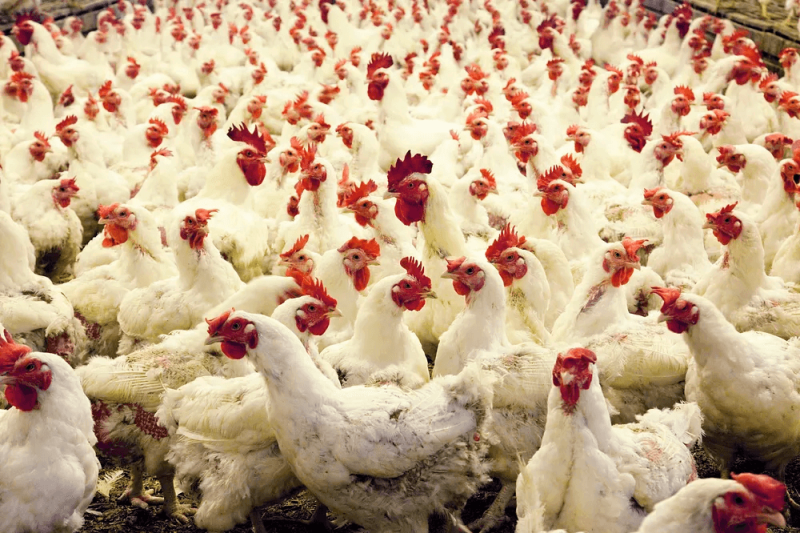
Recently, a group of scientists announced a breakthrough approach to combat Highly Pathogenic Avian Influenza (bird flu or avian flu), a severe illness of birds that has killed millions of chickens worldwide since it emerged in 1996 and continues to devastate bird populations. This disease has quickly become a potential threat to human health and has affected both food prices and availability.

Their approach uses a gene-editing technique called CRISPR/Cas9. In general, this method changes defined segments of an animal’s genetic code to functionally alter what that code does. In this case, CRISPR was used to alter chickens’ genetic code to make chickens more resistant to avian flu.

Follow the latest news and policy debates on sustainable agriculture, biomedicine, and other ‘disruptive’ innovations. Subscribe to our newsletter.

This combination of genetic variability and the wide variety of birds and mammals that can be infected with avian flu will make it very difficult to predict the outcome of using CRISPR to increase the resistance of chickens to infection with avian flu. There is a real chance for unintended or unpredictable consequences.

For example, as soon as the virus has trouble infecting CRISPR-modified chickens, it will change and adapt. While most changes won’t help the virus survive, there might be one among the billions of changes that will. Such a mutation could lead to a more deadly outbreak of avian flu in chickens, which could be catastrophic for this segment of our food supply.


This is an excerpt. Read the original post here

{{ reviewsTotal }}{{ options.labels.singularReviewCountLabel }}
{{ reviewsTotal }}{{ options.labels.pluralReviewCountLabel }}
{{ options.labels.newReviewButton }}
{{ userData.canReview.message }}

Related Articles

Infographic: Global regulatory and health research agencies on whether glyphosate causes cancer

Infographic: Global regulatory and health research agencies on whether glyphosate causes cancer

Does glyphosate—the world's most heavily-used herbicide—pose serious harm to humans? Is it carcinogenic? Those issues are of both legal and ...

Most Popular

ChatGPT-Image-Apr-16-2026-02_56_53-PM
Financial incentives, over diagnosis, and weak oversight: Autism claims are driving up Medicare costs
Screenshot-2026-05-08-at-11.55.47-AM
Anti-vax activists falsely blame COVID vaccines for the rising U.S. cancer rate among younger people.
Picture1
The FDA couldn’t find a vaccine safety crisis, so it buried its own research
vax-misinformation-main
GLP podcast: Limit free speech to blunt social media misinfo?
ChatGPT-Image-May-7-2026-12_32_36-PM
Viewpoint: The state of U.S. vaccine policy? Dismal nationally, but some states are stepping up.
Screenshot-2026-04-22-at-12.21.32-PM
Viewpoint: Why the retracted Monsanto glyphosate study doesn’t change the science—the world’s most popular herbicide is safe 
ChatGPT-Image-May-12-2026-11_27_01-AM-2
AI likely to improve health care, research shows—but not for blacks and ethnic minorities
modi visit sikkim
Viewpoint: Indian PM wants farmers to switch to 50% organic. It would take at least 10 years, likely won’t work, and isn’t more sustainable
Screenshot-2026-05-19-at-11.23.34-AM
West-originated vaccine disinformation sparks murders of health care workers across Africa
placebo
Viewpoint — Alternative medicine and the placebo effect: Selling a reassuring illusion of health
Screenshot-2026-04-13-at-1.39.26-PM
Viewpoint: ‘Safer for children?’ Stonyfield yogurt under fire for deceptive organic marketing
glp menu logo outlined

Get news on human & agricultural genetics and biotechnology delivered to your inbox.