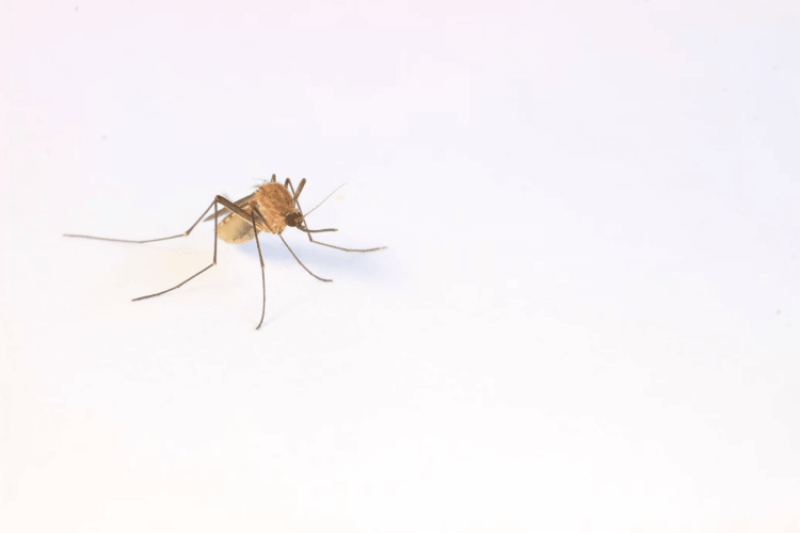
Genetic engineering to fight malaria: Oxitec-bred non-biting mosquitoes altered to carry a gene that kills deadly females before maturity released in Djibouti

Gene drive to fight malaria: Oxitec-bred non-biting mosquitoes altered to carry a gene that kills deadly females before maturity released in Djibouti
Credit: Unsplash/ Cameron Webb

Tens of thousands of genetically modified (GMO) mosquitoes have been released in Djibouti in an effort to stop the spread of an invasive species that transmits malaria.

The friendly non-biting male Anopheles stephensi mosquitoes, developed by Oxitec, a UK-based biotechnology company, carry a gene that kills female offspring before they reach maturity.

Only female mosquitoes bite and transmit malaria and other viral diseases.

It is the first time such mosquitoes have been released in East Africa and the second time in the continent.

Follow the latest news and policy debates on sustainable agriculture, biomedicine, and other ‘disruptive’ innovations. Subscribe to our newsletter.

The release is part of the Djibouti Friendly Mosquito Program which was started two years ago to stop the spread of Anopheles stephensi, an invasive species of mosquito first detected in the country in 2012.

The country was then on the verge of eliminating malaria, when it recorded close to 30 malaria cases. Since then, malaria cases have risen exponentially in the country to 73,000 by 2020.
The species is now present in six other African countries – Ethiopia, Somalia, Kenya, Sudan, Nigeria and Ghana.

If successful, larger field trials and eventual operational deployment of the mosquitoes will continue until next year in the country.


This is an excerpt. Read the full article here

{{ reviewsTotal }}{{ options.labels.singularReviewCountLabel }}
{{ reviewsTotal }}{{ options.labels.pluralReviewCountLabel }}
{{ options.labels.newReviewButton }}
{{ userData.canReview.message }}

Related Articles

Infographic: Global regulatory and health research agencies on whether glyphosate causes cancer

Infographic: Global regulatory and health research agencies on whether glyphosate causes cancer

Does glyphosate—the world's most heavily-used herbicide—pose serious harm to humans? Is it carcinogenic? Those issues are of both legal and ...

Most Popular

Credit: ACSH
Viewpoint: Who and what’s to blame for the surge in vaccine-preventable diseases?
ChatGPT-Image-May-28-2026-12_56_54-PM
Viewpoint: Vaccines' non-specific effects? The ‘shoddy’ Danish couple whose 'research’ inspires RFK, Jr.’s health delusion
ChatGPT Image Jun 3, 2026, 03_14_43 PM
Viewpoint: How Earthjustice became the poster child for the abuse of special interest activist funding
Organic-Produce
Viewpoint: Why you should ignore organic food advocates’ advice to avoid ‘pesticide soaked’ conventional fruits and vegetables
Screenshot-2026-06-08-at-11.05.51-AM
Can vaping lead to cancer? New ‘association study’ raises questions of “links"
Screenshot-2026-06-08-at-10.19.30-AM
‘Natural’ wellness supplements linked to liver injury
Screenshot-2026-06-05-at-3.30.20-PM
Republican lawmakers spread misinformation claiming solar farms permanently destroy potato farms
Screenshot-2026-06-05-at-2.12.30-PM
Some plants can poison you. So how did humans figure out what is safe to eat?
Screenshot 2025-07-30 at 10.48
Can gene editing eliminate Down syndrome? Scientists have done it in lab-grown cells
edb7f6d7-2370-418f-9578-74e29678e35c
Facts & Fallacies Podcast: Nicotine vaping—public health miracle, or risk to children? Professor Cliff Douglas
ChatGPT-Image-Jun-5-2026-01_17_48-PM
GLP-1 weight-loss drugs may reshape our desires and emotions
glp menu logo outlined

Get news on human & agricultural genetics and biotechnology delivered to your inbox.