Analysis: Trump-inspired Project 2025 and US farming — Blueprint recommends streamlining non-science based biotechnology and pesticide regulations

Credit: KCBD
Credit: KCBD

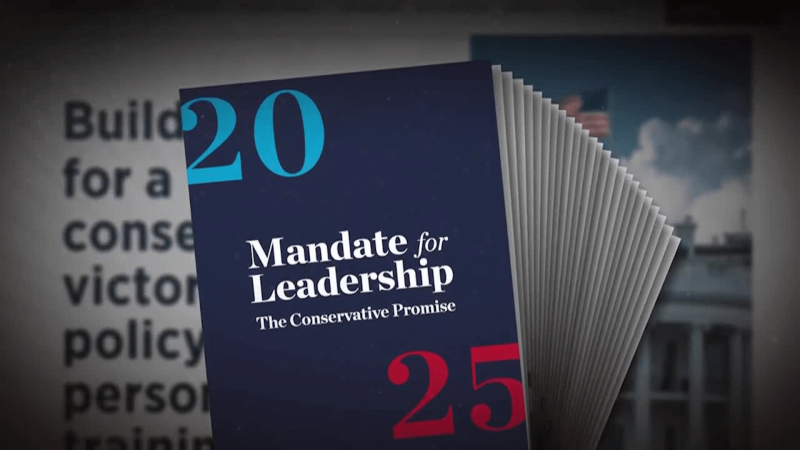
Project 2025 — the strategically detailed playbook that the Republican Party has crafted in anticipation of a second Donald Trump presidency — includes all manner of categories that would be addressed during the White House transition, such as personnel, welfare, economics, and defense.

Follow the latest news and policy debates on sustainable agriculture, biomedicine, and other ‘disruptive’ innovations. Subscribe to our newsletter.

Among the key issues that Project 2025 identifies in agriculture are:

  • To defend American agriculture, particularly in the approach to the food supply chain and improving efficiencies. “One of the important lessons learned during the COVID-19 pandemic was how critical it is to remove barriers in the food supply chain — not to increase them,” the document says. […]
  • To overhaul the farm subsidy program, including how subsidies are intertwined with agricultural policy and can influence planting decisions. “The overall goal should be to eliminate subsidy dependence,” Project 2025 states. […]
  • Remove obstacles to agricultural biotechnology, particularly in how genetically engineered food is labeled. “The USDA should strongly counter scare tactics regarding agricultural biotechnology and adopt policies to remove unnecessary barriers to approvals and the adoption of biotechnology,” the mandate says.

Among the key issues that Project 2025 identifies in environmental policy and that relate to farmers and ranchers are:

  • Reforms relating to pesticide approval and reviews, where more is done to vet the data used during reviews and not caving to low-quality or non-transparent data that may be publicly accessible. Too often, the document notes, is that review data doesn’t adhere to the same rigor that original agency testing data used.

It’s safe that as the November election day gets closer, more and more commentary among the national media will be tailored toward the potential impacts of Project 2025.


This is an excerpt. Read the original post here

{{ reviewsTotal }}{{ options.labels.singularReviewCountLabel }}
{{ reviewsTotal }}{{ options.labels.pluralReviewCountLabel }}
{{ options.labels.newReviewButton }}
{{ userData.canReview.message }}

Related Articles

Infographic: Global regulatory and health research agencies on whether glyphosate causes cancer

Infographic: Global regulatory and health research agencies on whether glyphosate causes cancer

Does glyphosate—the world's most heavily-used herbicide—pose serious harm to humans? Is it carcinogenic? Those issues are of both legal and ...

Most Popular

ChatGPT-Image-May-7-2026-12_16_37-PM-2
Viewpoint: Are cancer rates ‘skyrocketing’ as RFK, Jr. and MAHA claim? The evidence says mostly the opposite
Screenshot-2026-04-13-at-1.39.26-PM
Viewpoint: ‘Safer for children?’ Stonyfield yogurt under fire for deceptive organic marketing
Screenshot-2026-04-22-at-10.46.29-AM
Viewpoint: How to counter science disinformation? Science journalist offers 12 practical tips
Picture1-14
When superbugs threaten vulnerable children: Can AI help solve antibiotic resistance?
Screenshot-2026-04-23-at-11.00.36-AM
Regulators' dilemma: Thalidomide, Metformin, and the cost of getting drug approvals wrong
Picture1-1
Cooling the planet with balloons: Could a geoengineering gamble slow global warming?
bigstock opioids on chalkboard with rol
GLP podcast: 'Safe injection sites': enabling drug addiction or saving lives?
ChatGPT-Image-May-12-2026-08_39_41-PM
GLP podcast: Big Pharma, Big Ag, Big Food—health harming industries or life-saving innovators?

Sorry. No data so far.

glp menu logo outlined

Get news on human & agricultural genetics and biotechnology delivered to your inbox.