


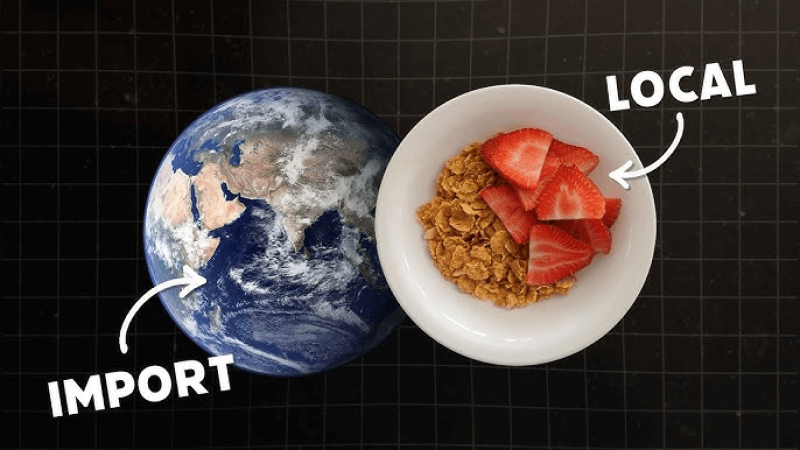

Consumers buy food, whether organic or not, without paying attention to its origin and therefore without knowing the cost to the environment that this decision entails. There are numerous examples of commonly consumed foods from other countries with a high environmental footprint. The popular New Zealand kiwis are a paradigmatic example.
“Paradoxically, the problem worsens, continues the expert, when these organic foods that are not locally sourced reach their destination. Beyond the environmental cost of long-distance transport, what often goes unnoticed is what happens when the product arrives at the destination country. A very long journey begins, during which the food travels between different logistics centers, often far apart: this is where the energy expenditure skyrockets,” explains [Gloria Isabel Guzmán, director of the Master’s program in Organic Agriculture and Livestock at the Pablo de Olavide University and the International University of Andalusia].
…





Does this mean that consumers of eco products should stop consuming those from long distances if their goal is to be sustainable? According to Guzmán, the answer is complex. “Although there is often an attempt to establish a dichotomy, especially in the media, there is no clear answer, it is not black or white.”























