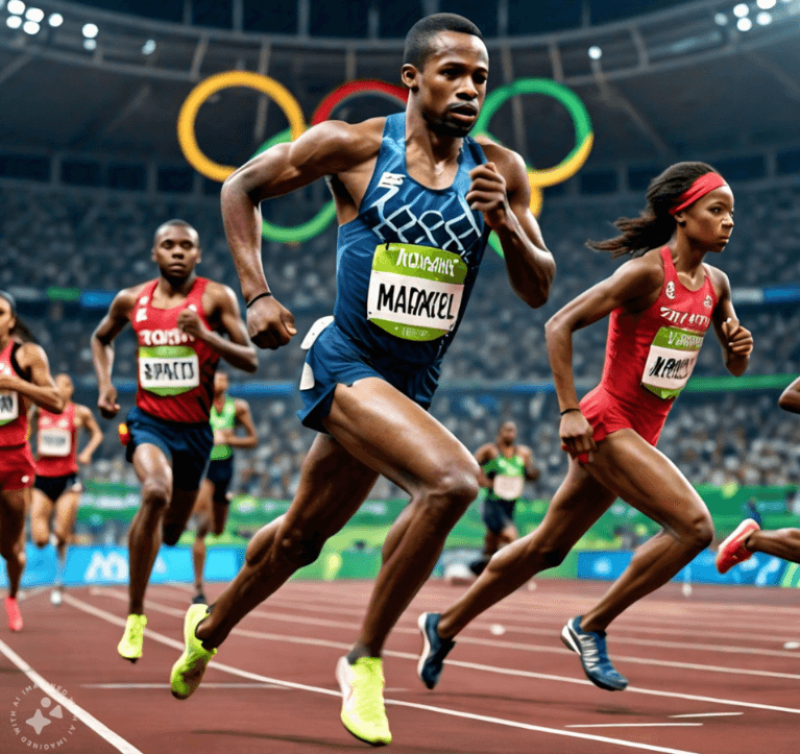
The Summer Olympics is rightly billed as an international celebration of global diversity. Athletes are competing and excelling from all points on the globe. For example, football and basketball teams are a kaleidoscope of superstar athletes from Africa, Asia, Europe, and the Americas.
But in some sports, most notably running, diversity is missing. Almost all the elite athletes trace their ancestry to one continent: Africa. An African-descended athlete holds the world record at every distance from the 100 meters to the marathon. It’s unequivocal evidence of a deep racial divide in a world increasingly uncomfortable talking about ‘racial’ differences.
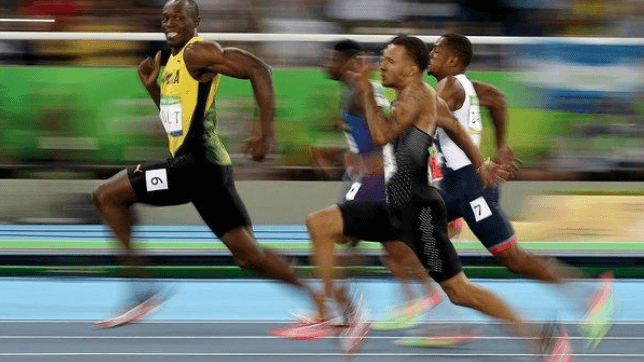
Seventy years ago, British student Roger Bannister shocked the world in 1954 when he cracked the 4-minute barrier in the mile, running 3:59.4. Trained as a neurologist, Bannister was excommunicated from polite society after stating this 30 years ago:
As a scientist, rather than a sociologist, I am prepared to risk political incorrectness by drawing attention to the seemingly obvious but under-stressed fact that black sprinters, and black athletes in general, all seem to have certain natural anatomical advantages.
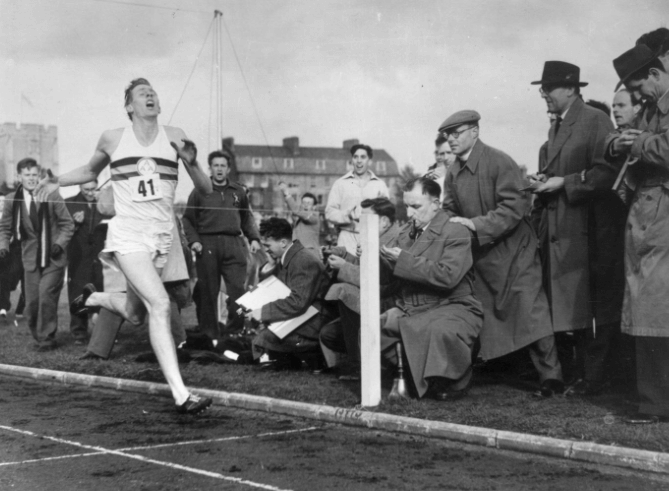
The evidence in running supports his thesis. Black people comprise about 18% of the global population, but every running world record at every distance from 100 meters to the marathon is held by an athlete of African descent. Roughly 97% of the top athletes at every running distance are black.
Still, the faux debate — nature vs. nurture — rages on. The latest tired iteration: the May BBC article “Black, white and shades of grey — what’s behind sprint’s race divide?”.
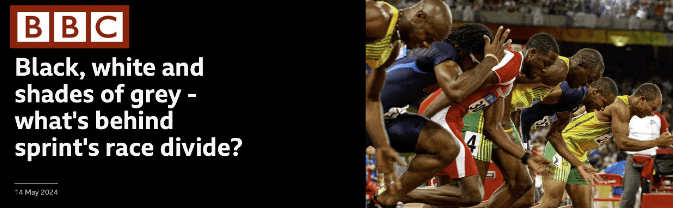
Writer Ben Bloom asks the question now raised, almost as a ritual, at every summer Olympics: Why many elite sports have a racial divide? Some, like the field and strength events are dominated by whites and Eurasians. Many high-profile sports — most notably sprinting and long-distance running — are almost completely dominated by black athletes.
The common wisdom aligns with the science: the body types of different ‘racial’ groups, using unscientific terminology, group differently. There is no debate on this — unless you are a post-modernist sociologist who believes that all human differences are ‘socially constructed’.
Oddly, that’s the less than credible sources whom Bloom seeks out to buttress what appears to be the pre-determined thesis of this all-too: black dominance in running is a ‘head thing’. Bloom quotes University of Leicester’s Paul Campbell.
From the Enlightenment all the way through to the present day, there has been a science around racial typology and the belief in meaningful difference along the lines of skin color.
Campbell frames the discussion in simplistic, binary terms: genetics vs. social factors. But why does it have to be one or the other? Humans are products of both. Ability is always grounded in genetics but massaged by social influences. Citing no evidence but his gut, Campbell dismisses the fact that different body types have evolved in different types of the world as adaptions to regional geographical and climate conditions, calling this Science 101 fact a “myth”.
Bloom also quotes Hong Kong Baptist University sports sociologist Yannis Pitsiladis, who believes that the failure of Asian athletes to challenge West African domination of sprinting is all in their heads. Same too for East African athletes, among the most dismal 100-meter runners in the world. He cites no evidence to support these claims.
This debate is stale, and all too familiar. It returns every four years, as sociologists attempt to dismiss why African-descended athlete wins every running gold medal (and in most cases silver and bronze as well) from 100 meters to the marathon. In an era when science literacy is at global lows let’s engage this issue yet again.
 Patrick Whittle, a popular science writer, sent the BBC article to Jon Entine, director of the Genetic Literacy Project, a nonprofit news and commentary source that challenges disinformation on complex and controversial issues such as the role of genetics in agriculture and medicine. Jon authored the book widely considered the bible on this subject: Taboo: Why Black Athletes Dominate Sports and Why We are Afraid to Talk About It, published in 2000, considered the definitive source on human differences and sports.
Taboo is unusual because it not only discusses the phenomenon of outsized black success in so many sports — for example, East African domination of middle and long-distance running and Eurasian white performance superiority in weight lifting and field events — it critiques the controversial history of ‘race science’.
On the eve of the Olympics, what follows is an edited version of Jon’s and Patrick’s discussion about this still-taboo topic of ‘race’ and sport.
PW: What is the premise of Taboo?
JE: Before we jump into the debate over Taboo and human performance, it’s helpful to define the issue at hand. My book, in its totality, is not a sports book. Rather, I use sports as a metaphor to discuss the controversial notion of human differences.
Yes, Taboo references ‘black athletes’ in its title, but the debate in sports and society is not black and white nor even about “race” as we popularly use the term. Taboo makes the straightforward case that ancestry/evolution shapes our genotype, the genetic differences that are reflected in your phenotype — your physical characteristics. Your phenotype is shaped by both genes and social conditions. Human differences tend to clump by population groups.

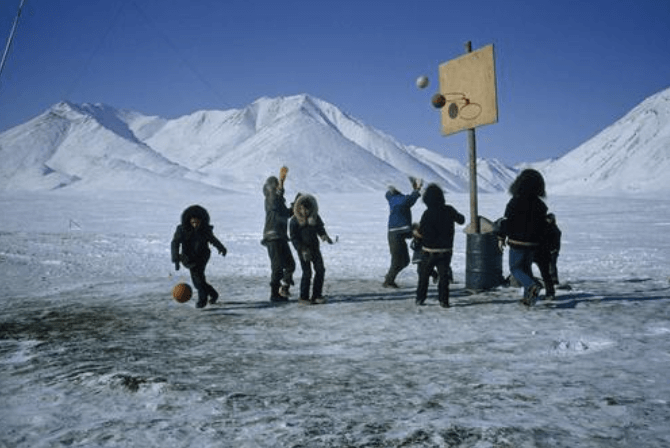
One obvious example is the body type of Alaskan Inuits, a subarctic population across Canada and Alaska Inuits tend to be short and wide, an evolutionary adaptation to evolving in cold weather. There would certainly cultural factors at play but genetic reasons primarily explain why we will never see an Inuit playing center in the NBA or running a marathon.
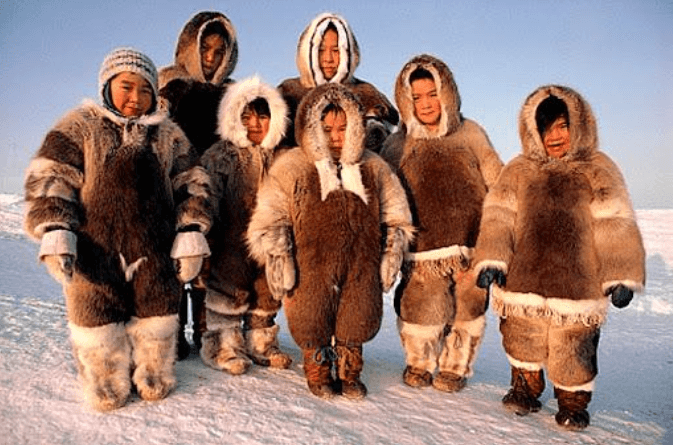
Genetics does not determine physical possibility but it sets limits, much like the frame structures a house. We can decorate a house and make it more appealing but nothing can turn a tract home into a mansion. Genetics circumscribes possibility. Human differences manifest themselves in population cohorts, however sloppy and overlapping these divisions may be on the edges.
PW: Let’s start with an obvious question. What about the claim in the BBC article that ‘blacks are better runners’ than whites or other athletes? The statistics seem to back that up, yes?
JE: As a generalization, blacks are better runners. Both in the sprints and at longer distances. Here are some eye-popping numbers. 1256 athletes have broken 10 seconds in the 100 meters. Only 8 athletes have no significant African ancestry.
Only one white has ever won the Olympic gold medal at the 100 meters: Ukranian Valery Borzov, who ran a pokey 10.14 in 1972 in an era when far fewer runners of African descent, and almost none from Africa itself, competed. In other words, it was not a level playing field. Borzov’s time ranks about 6,500th today. Black runners just out of grade school can eclipse his time.

The 100 meters has been run at 9.99 seconds or faster almost 11,000 times. Only one white athlete has broken the 10-second barrier: Frenchman Christopher Lemaire, who ran a wind-aided 9.92 in 2011, ranking 374th. China’s Su Bingtian has the fastest time among Asians, running 9.83 in 1989, ranking 82nd.

Approximately 7.43% of the world’s population is of sub-Saharan African ancestry. Using those population numbers, you would expect that those of West African ancestry should hold about 26 or the top 350 times for the 100 meters. instead, they hold 99.7333% of these fastest times. The likelihood of that happening by chance alone is in the vigintillions (1 with 63 zeros).
It should be stressed, however, that blacks as a population group do not dominate at shorter running distances, say under 5,000 meters. Blacks of West African ancestry do.
As a generalization, East Africans are terrible sprinters. Among runners from around the world, in Africa, Asia, Europe and the Americas, as a group they rank at the very bottom. There is only one East African, who has broken 10 seconds: Kenya’s Ferdinand Omanyala, who clocked 9.77 in 2021. He’s an outlier on the bell distribution curve; the exception helps prove the rule.
PW: What about the long-distance races, from 5,000 meters to the marathon?
Long-distance running flips the genetic script. West Africa produces exactly zero champion distance runners. None. Almost all the top marathoners are Kenyans and Ethiopians. East and North Africans dominate at 5,000 meters and 10,000 meters. Grant Fisher, ranked 32, is the top white runner at both the 5,000 and 10,000.
Why is there such a high concentration of distance-running athletes from Kenya and Ethiopia? Evolution. Eldoret in Kenya, the unofficial global distance running epicenter, sits at almost 7,000 feet in the heart of the Nandi Hills. In Ethiopia, the top distance runners invariably hail from the high-altitude regions of the country, particularly in the Oromia Region near Addis Ababa.
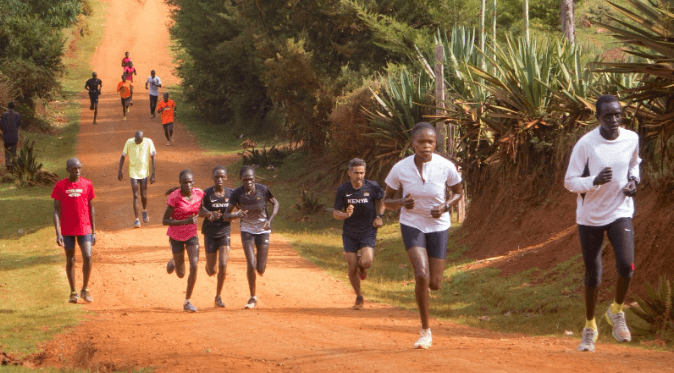
The variety of body types, which correlates with success at different running distances, underscores why classic racial categories of white, black and Asian can be misleading. Genetic populations are more numerous and overlapping. Blacks are not a coherent population group. Not only do we see huge differences between blacks who trace their ancestry to East and West Africa, but also within countries and regions.
Notably, not one elite Kenyan or Ethiopian distance runner traces his/her ancestry to the coastal regions. The geographic factors that have shaped the evolution of runners in the Nandi Hills are just not present. Africa is a huge continent with varying topography. Body types in different regions in Africa, and even within single countries, vary considerably.
PW: Talking of evolution and altitude and genes, there is ancient DNA evidence that people from the Tibetan plateau may have inherited genes from Denisovans that allow them to thrive at extremely high altitudes. It seems uncontroversial to suggest that those with Tibetan ancestry have a genetic advantage, so why is it controversial to argue that geographic ancestry linked to the Nandi Hills has probably conferred a genetic advantage in long-distance running?
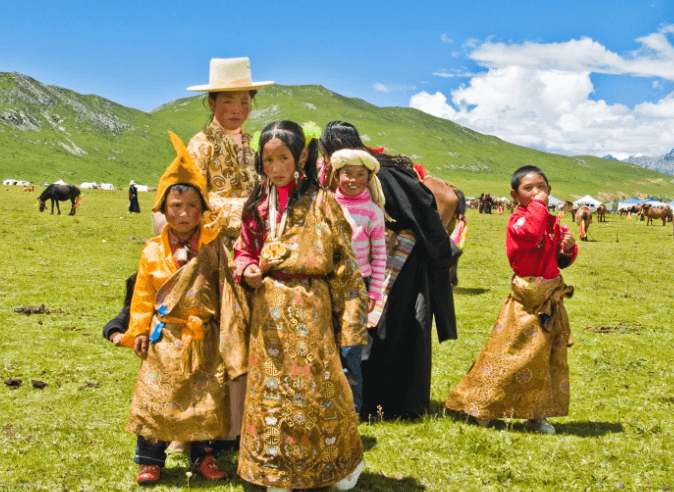
JE: Yes, you highlight the hypocrisy that often accompanies the attempt by sociologists to dismiss the obvious. Why would ‘evolution’ shape Tibetans but play no role in shaping African runners? It intuitively makes no sense. Kenyan runners from the Nandi Hills and other East Africans whose ancestors evolved in mountainous regions have (on average, illustrated by a distribution curve) a higher percentage of slow-twitch muscles than other populations. Slow-twitch muscle fibers carry oxygen to every part of the body.




PW: Doesn’t Yannis Pitsiladis discuss muscle fibers in the BBC article and dismiss their link to running performance?
JE: Yes, Pitsiladis does discuss running performance and the percentage of either fast- or slow-twitch muscle fibers. But he frames it in a disingenuous way, illustrating his lack of hard science knowledge. Pitsiladis challenges the scientific fact that fast-twitch muscles are “less dependent upon oxygen” by challenging a 2008 paper that speculated that fast-twitch muscle fiber distribution was linked to the sickle cell gene. But that speculation turned out to be wrong; Pitsiladis hasn’t kept up with the science.
PW: So, despite what the BBC article claims, fast- and slow-twitch muscles are critical in circumscribing the possibility of running success in distance and sprinting?
JE: Dozens of studies since 2008 have confirmed the impact of different fiber types on running success. The predominance of slow-twitch fibers among East African high-altitude runners (like the Kenyans) are central to their success in endurance events, whereas the predominance of fast-twitch fibers among West African athletes contributes to their success in sprinting events. Muscle fiber composition is just one of many factors, including other physical attributes complemented by training, environment, and cultural emphasis on specific sports, that contribute to athletic prowess.

PW: Okay, so it’s too simplistic to use cover-all racial terms like ‘black’ or ‘white’ when discussing the fraught issue of race and sport. So, what do you make of the view of one of the experts quoted in the BBC article, Paul Campbell, who says that claims of black running superiority is part of a sordid history of ranking people based upon superficial characteristics
JE: Campbell, like many sociologists, confuse the terms “biology” and “genetics”. Some of our biology and important characteristics including some physiological characteristics and brain development, while circumscribed by genetics, are shaped in utero and after birth by such environmental factors as nutrition, exposure to disease, etc.
That technical point aside, claims that genetic factors, which are often shaped by ancestry, play an insignificant role in sports capability is just ignorant. Sociologists like Campbell are merely opinionators, ignorant of physical anthropology and genetics. His argument if you can call it that is tired strawman sociological rubbish.
PW: Pitsiladis makes a similar point about skin color later in the article, arguing, “The reality is that it’s the genes of your parents that dictate athletic ability or anything else, not the genes associated with your skin color.” Is he also just being disingenuous?
JE: That’s silly. Your parents have a lineage. Skin color is highly correlated with ancestry. It’s considered a crude, but meaningful proxy for some genetic differences. Africans are more likely to contract sickle cell, cystic fibrosis, and beta-thalassemia, for example. Ashkenazi Jews, another genetic cohort, are more likely to be afflicted by Gaucher disease, Tay-Sachs, Canavan, and 30 other diseases. Historic insularity shapes many human characteristics, from body type to disease proclivities.
PW: But what about another argument raised in the BBC article, that social, cultural, and historical factors are more important than biology in explaining the apparent racial divides in sport?
JE: That’s a strawman argument. Taboo and the mainstream science community never claimed that social, cultural, and historical factors aren’t important. Exactly zero serious commentators claim that social factors are inconsequential.
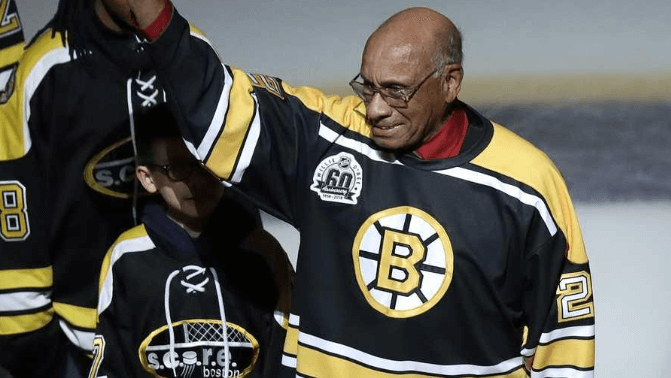
In some sports, in which access limits participation, social factors do eclipse genetic advantages. There aren’t that many blacks playing hockey in part because there are so few blacks in parts of the world where hockey is popular.
Taboo relates the story of the short Jewish athletes in New York and Philadelphia, described (admiringly by journalists as “sneaky” and “manipulative”), who dominated American basketball from the turn of the 1900s until the 1930s. Jews and Catholics dominated the inner city in eastern basketball-playing strongholds, and they dominated the sport for decades. Opportunity eclipsed genetics, at least for a while. Framing complex issues as either/or as the sociologists quoted in the BBC piece is simplistic. 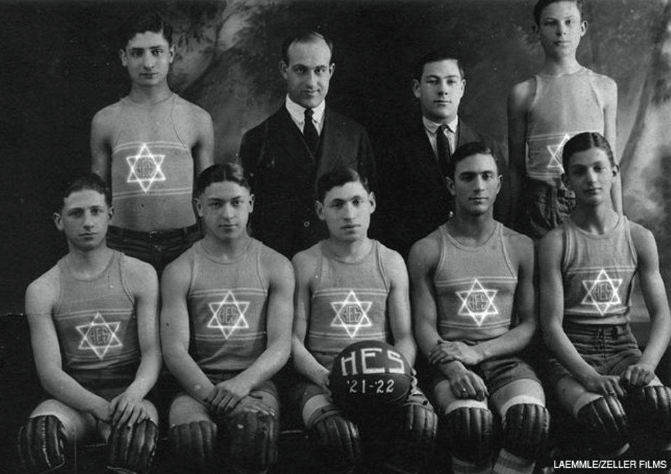
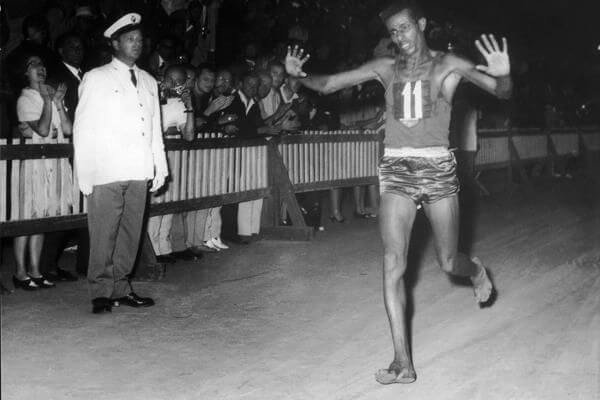
With a level playing field, ‘natural ability’ becomes increasingly important. History will never forget Adebe Bikala who won Africa’s first-ever gold medal in running — in the 1960 Olympics, winning the marathon — barefoot.
PW: What about the BBC report’s claim that “decades of scientific evidence has so far been unable to support” the widespread belief in the “biological superiority” of athletes from certain races?
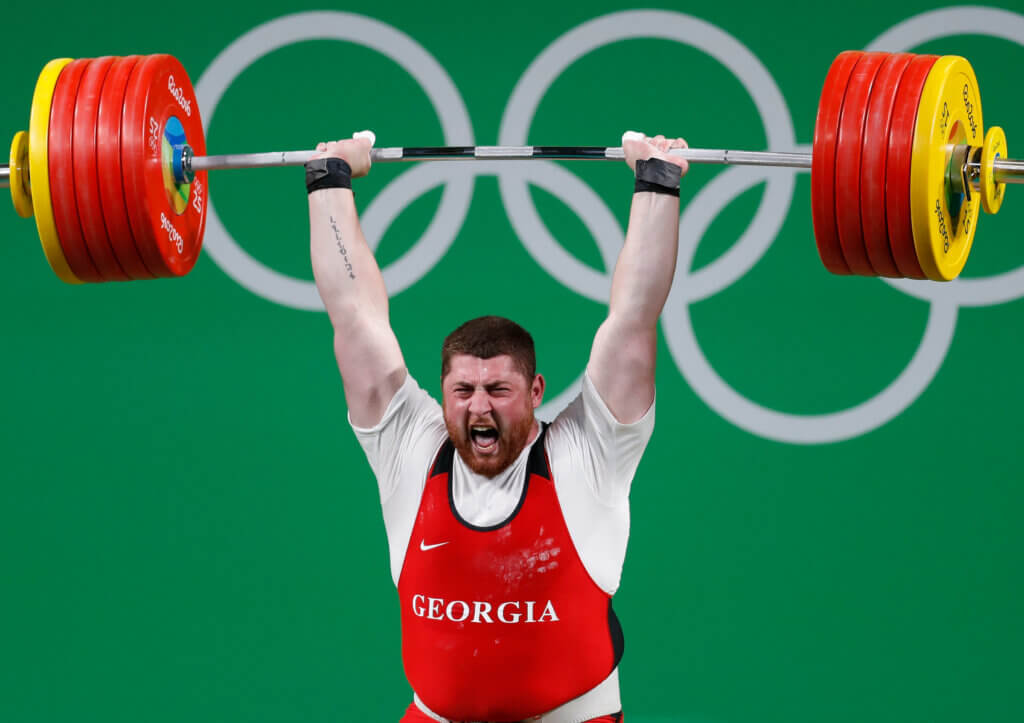
JE: The phrase “biological superiority” is loaded. Serious academicians would never use such clumsy terminology. I never used that phrase in Taboo. Human body types are different as a result of evolution. Are black athletes biologically inferior to white athletes because, on average, they are mediocre in weightlifting compared to Euro-Asians whose endomorphic body type is shaped by evolution?
PW: What about the claim that geneticists have not isolated a gene, or specific genes, that code for distance running or the sprints?
JE: Those who ask such questions are ignorant of genetics. The anti-genetics argument often boils down to this simplistic claim: geneticists have not found a sprinting or a long-distance gene. Science has not isolated ‘gene A’ that causes ‘physical act B’. That’s a bogus argument. Behavior is complex. There is not one IQ gene; brain power is made up of hundreds if not thousands of interacting factors. No single gene has been linked directly to sprinting or long-distance running or weightlifting, and none ever will. Physical abilities, like all abilities, are the result of a combination of interacting genes expressed through the environment.
PW: To return to nature vs nurture: It’s a widely-held belief that social or cultural factors far outweigh genetics and ‘race’ in explaining athletic abilities. For example, it’s the view defended by geneticist Adam Rutherford in his popular recent book, “How to Argue with a Racist”.
JE: Cultural and social factors among the general population do outweigh genetics and ‘race’ in shaping most abilities. Most of us fall in the ‘mushy middle’ of the distribution curve. It’s at the elite level where genetic differences matter. While whites often outsprint blacks in junior high school events, at increasingly elite levels, all the top sprinters are of West African ancestry. 100%. As I noted before, Africa will never become the global epicenter of the hammer throw or javelin. It’s not racist to state that an Inuit will never star as an NBA center.
At the elite level of sports, genetics circumscribes success. “Differences among athletes of elite caliber are so small … they are very, very significant,” Robert Malina, formerly a Michigan State University anthropologist and editor of the Journal of Human Biology. Malina studied anatomical differences of Olympic-level athletes over more than 30 years. “The fraction of a second is the difference between the gold medal and fourth place.”
PW: Sociologists claim that ‘race’ does not exist. That it is a ‘socially constructed to reflect the historical perceived superiority of whites, with blacks and Asians lower on the pyramid. Don’t they have a point?
JE: Defined as distinct population categories, they are right, ‘race’ is a loaded term. Its historical misuse is legendary and devastating (as I noted in Taboo and in dozens of articles since). That’s why physical anthropologists and most geneticists eschew the fuzzy notion of ‘race’, substituting ‘ancestry’ when discussing such things as disease proclivities or sports performance. There are many population groups in which characteristics are concentrated. Askhenazi Jews, for example, have a higher proportion of genetic diseases because of centuries of inter-marriage within its circumscribed population.
That said, we cannot erase human nature. We “see” skin color. It is a maker, however blurry and even deceptive at times. It serves as an imprecise but somewhat useful proxy concept to begin exploring the role of ancestry in population-level performance patterns.
PW: Given that Africa is humanity’s most genetically diverse continent, shouldn’t we expect wide genetic differences between ‘black’ Africans depending on where in Africa they come from?
JE: That is an oft-cited claim: there is more genetic diversity in Africa than anywhere else in the world, so of course there will be black athletes of higher performance.
That misstates the meaning of ‘genetic diversity’. Genetic diversity is not synonymous with physiological diversity. Genetic diversity is a product of evolutionary time, and that’s it. Southern Africans and Australian aboriginals are the most genetically diverse populations in the world because their ancestry traces back in time the furthest.
The older a population group, the more genetic diversity it exhibits because it has had more time to create random mutations. But genetic diversity does not translate into body type or physiological diversity. Let’s return to the Inuits. It’s among the most genotypically diverse population groups but they have very little phenotypic diversity.
PW: Point taken. I seem to recall there are similar examples in our closest primate relatives — for example, different gorilla populations that share the same forests can show a high degree of genetic difference but are still phenotypically very similar.
Compared to gorillas (who don’t seem to have moved from their ancestral environments), our species has relatively little genetic variation — though that doesn’t mean that relatively minor differences between ancestral human populations don’t potentially have meaningful consequences. You and I discussed this in a series of articles (here and here) explaining why the unique genetics of Africans at least partially explain why the continent had the lowest rate of COVID-19 infections. At the outbreak of the pandemic, health experts around the world were convinced it would be a global hotspot because of the continent’s lack of health infrastructure.
To bring this back to sport and genes, can you explain in more detail the phenotypic differences among athletes in Africa?
JE: It’s too simplistic to ‘break down’ Africa into East and West populations. There are numerous sub-populations across Africa, often with distinct phenotypic characteristics. Those differences even show up within countries. As I’ve noted, although Kenya is the world epicenter for distance runners, there are no Kenyan distance runners of note hailing from coastal East Africa. The mountainous Nandi Hills of the Rift Valley across Kenya, Ethiopia and Tanzania are a different evolutionary ecosystem from coastal East Africa.
That said, there are stereotypical differences between East and West Africans. East Africans tend to have ectomorphic builds. This means they often have longer limbs, leaner bodies, and less body fat. This build is advantageous for endurance activities and long-distance running.
West Africans, from countries such as Nigeria, Ghana, Ivory Coast, and Senegal, tend to have a more mesomorphic build: a more muscular and robust physique with broader shoulders and a higher propensity for muscle mass shown to be beneficial in activities requiring bursts of power and strength.
Jon Entine, founder and executive director of the Genetic Literacy Project, is an Emmy-winning investigative TV News producer and author of seven books, including three on genetics. Please follow him on X at @JonEntine
Patrick Whittle has a PhD in philosophy and is a freelance writer with a particular interest in the social and political implications of modern biological science. Follow him on his website patrickmichaelwhittle.com or on Twitter @WhittlePM