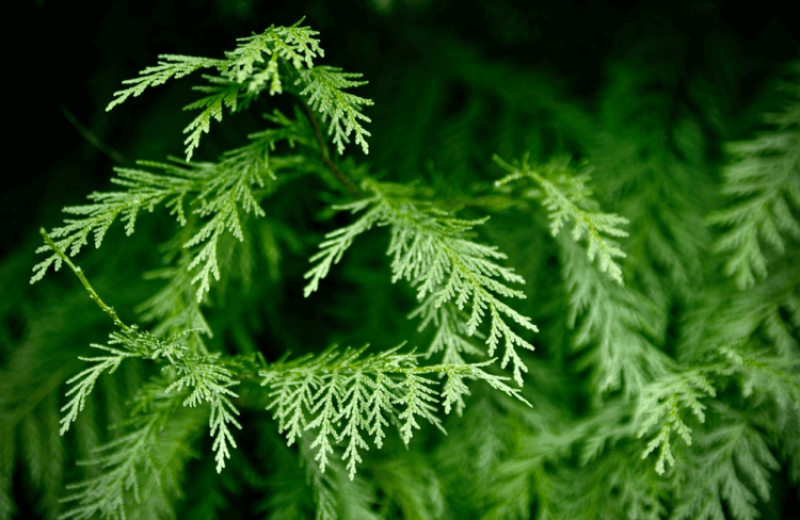

We are just beginning to glimpse the extraordinary complexity and subtlety of plants’ relations with their environment, with each other and with other living beings. We owe these radical developments in our understanding of plants to one area of study in particular: the study of plant behaviour.
The idea of ‘plant behaviour’ may seem odd, given the association of the word ‘behaviour’ with animals, including humans. When we think of classic animal behaviours – dancing honeybees, dogs wagging their tails, primates grooming each other – we may wonder what there could possibly be in plant life corresponding to this.
It turns out that they do a lot. Take wounding. Most plants respond to damage to their leaves by releasing volatile organic compounds (VOCs). Some of these VOCs activate abiotic stress-related genes; some have antibacterial and antifungal properties. Some VOCs specifically repel the attacking herbivore with nasty tastes or toxins, and some plants can identify which specific herbivore is attacking, and produce different responses accordingly. Some VOCs attract the predators of the insects that are attacking the plant. Herbivore attack can also induce plants to produce more nectar, encouraging insects away from leaves.


These responses are easily understood as behaviours ‘directed towards an end’ – the end of self-preservation and flourishing.